
Islamic Legal Theory: A Conversation with Robert Gleave
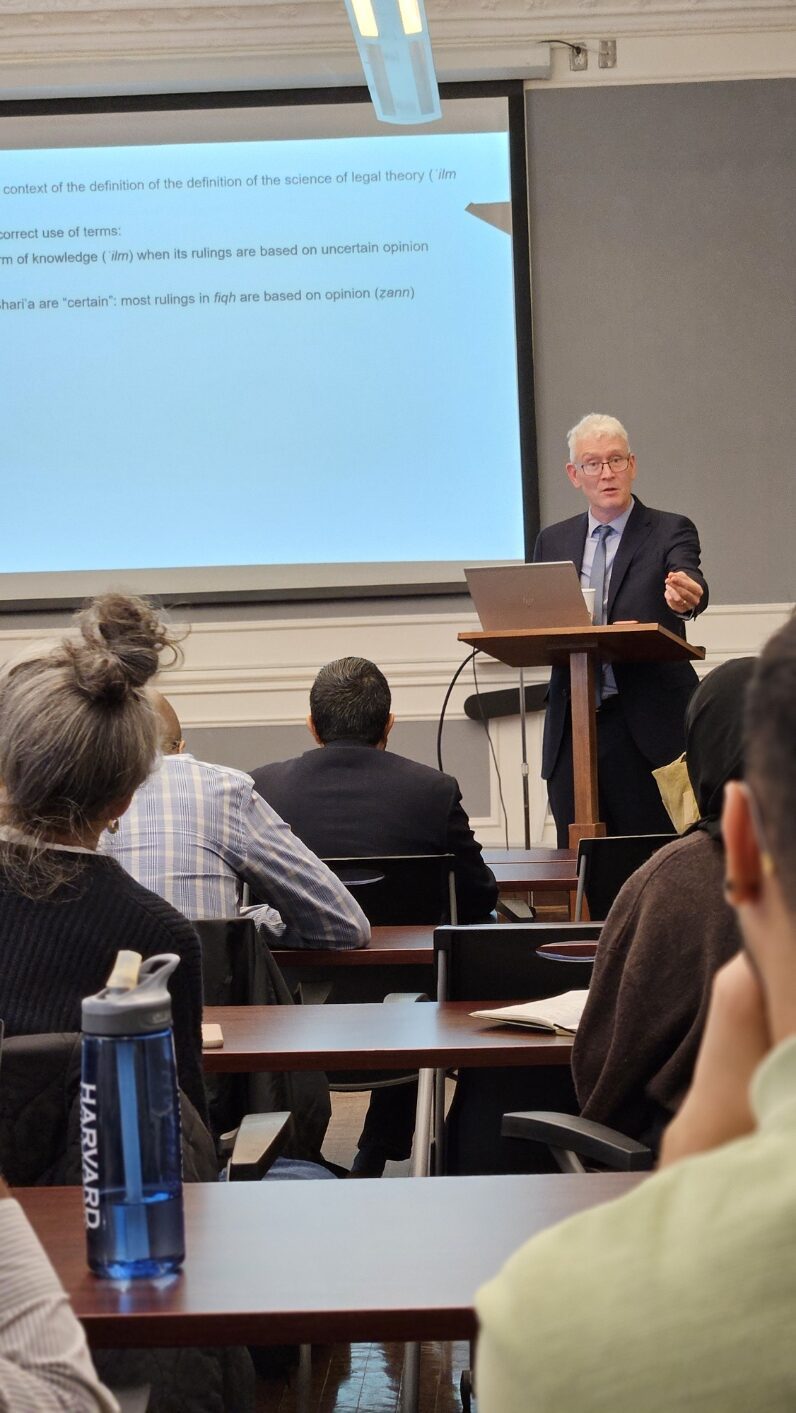
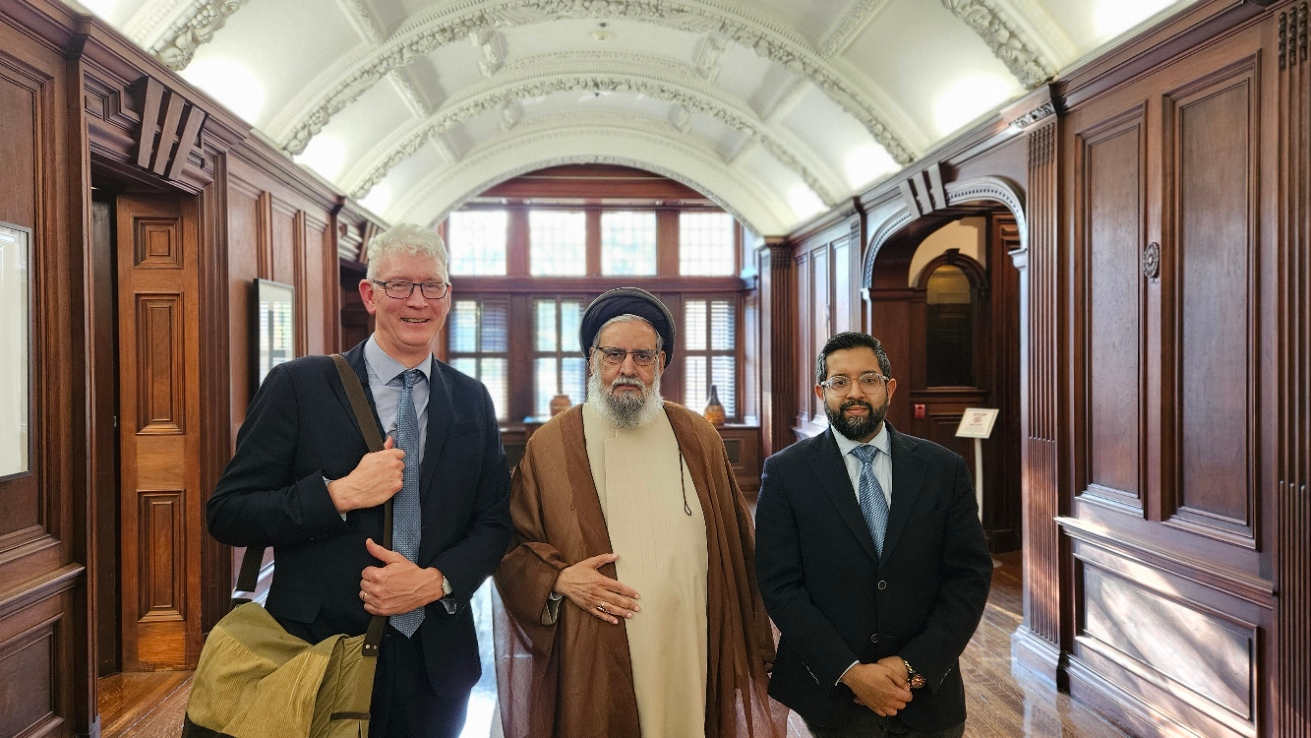
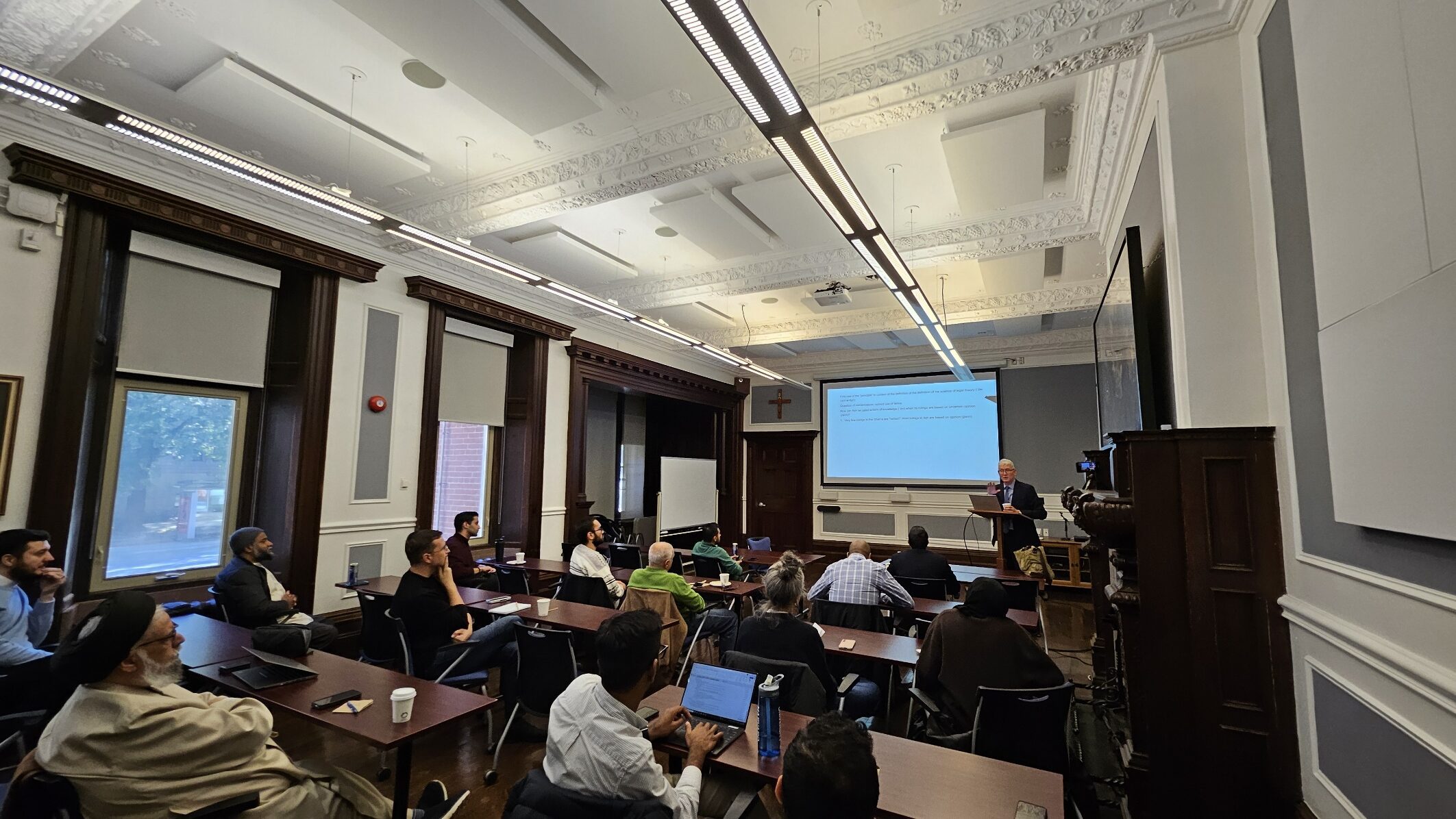
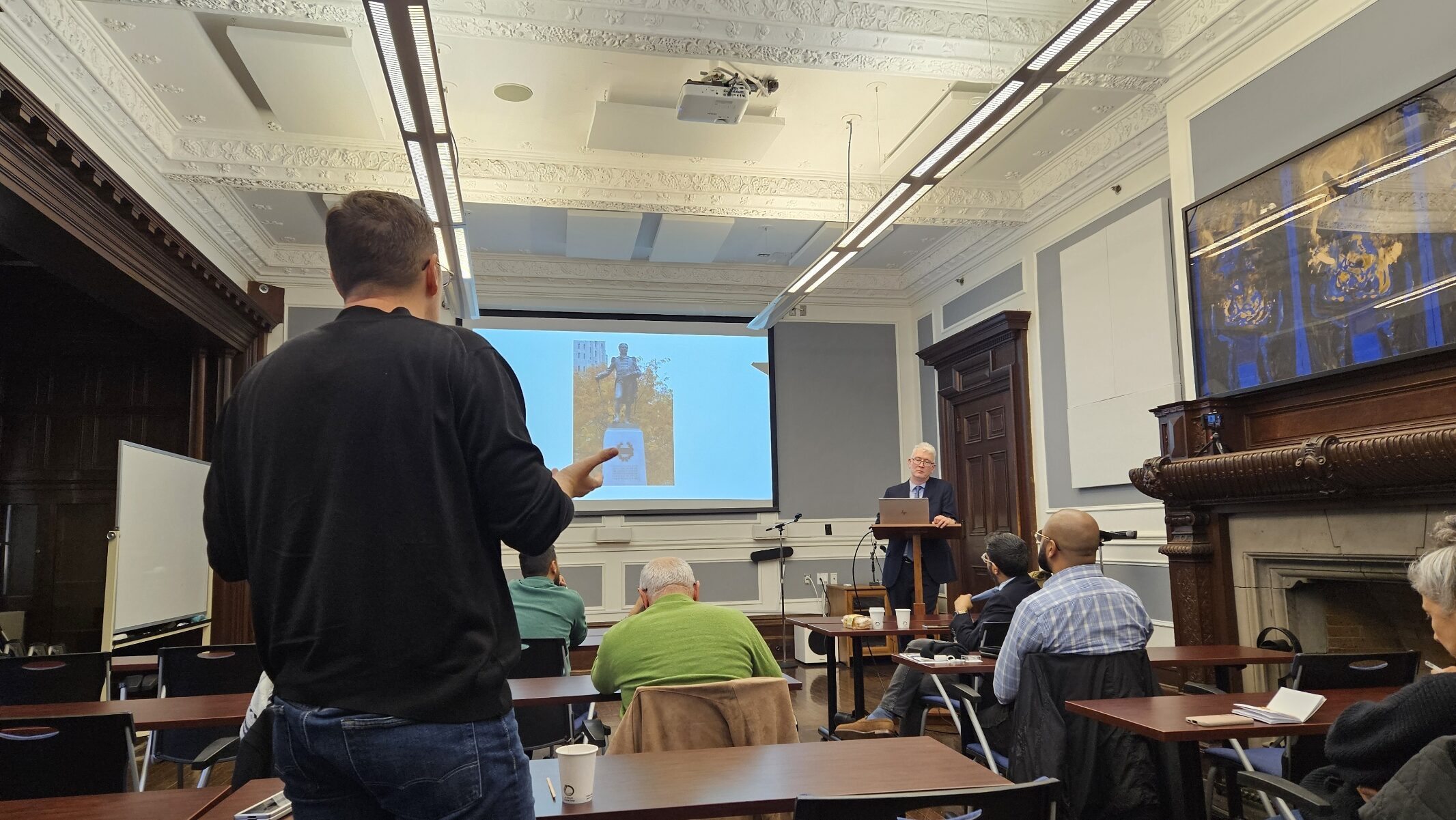
On October 9th, 2025, at the University of Toronto, we gathered for a light reception, followed by a talk and engaging discussion with Dr. Robert Gleave (University of Exeter).
This event, organized by SRI, was held at the Regis St. Michael’s Faculty of Theology, at the University of Toronto
View a recording of the event below, and subscribe to our social media to make sure you don’t miss our next event!
Event Photos
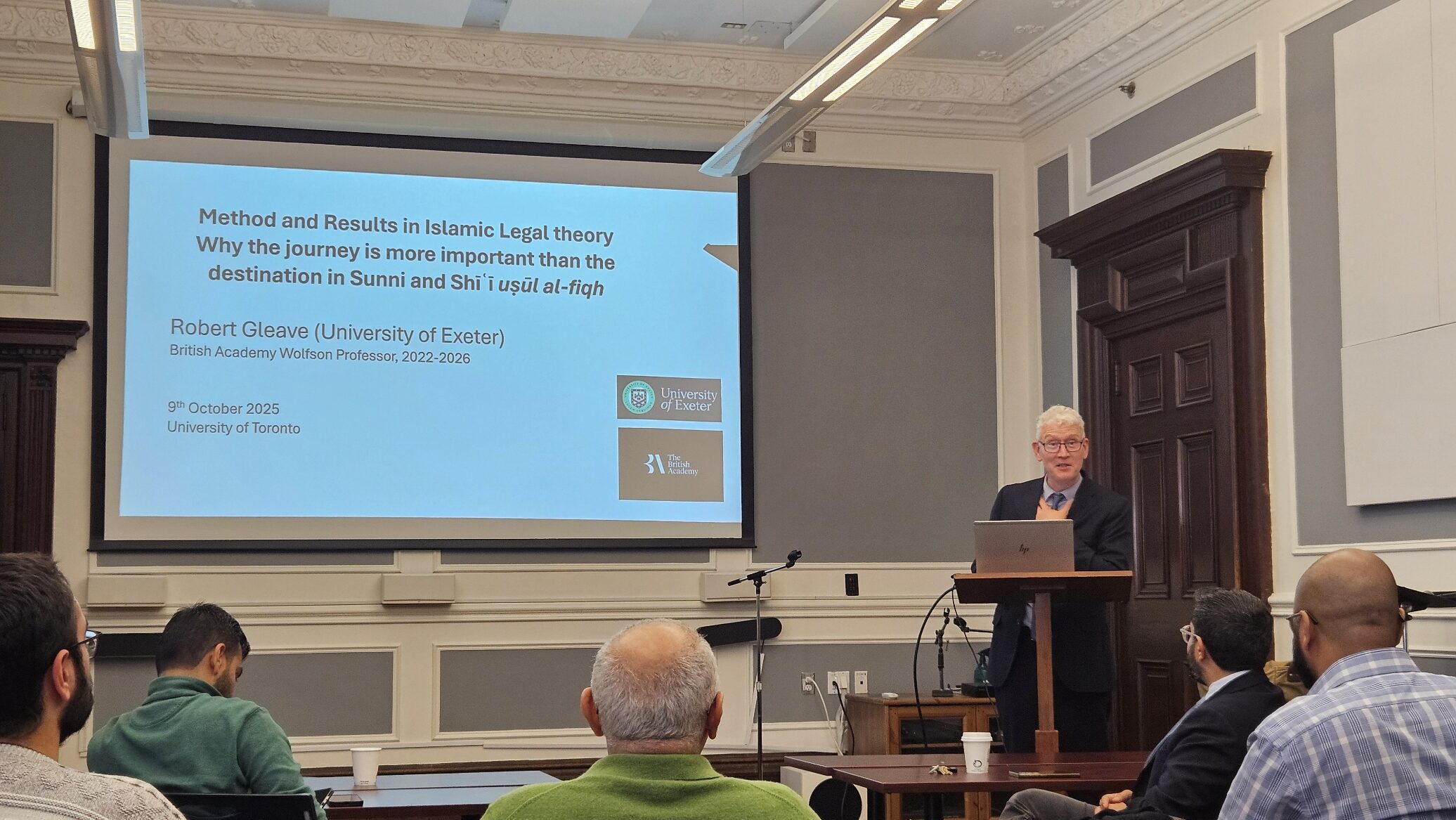
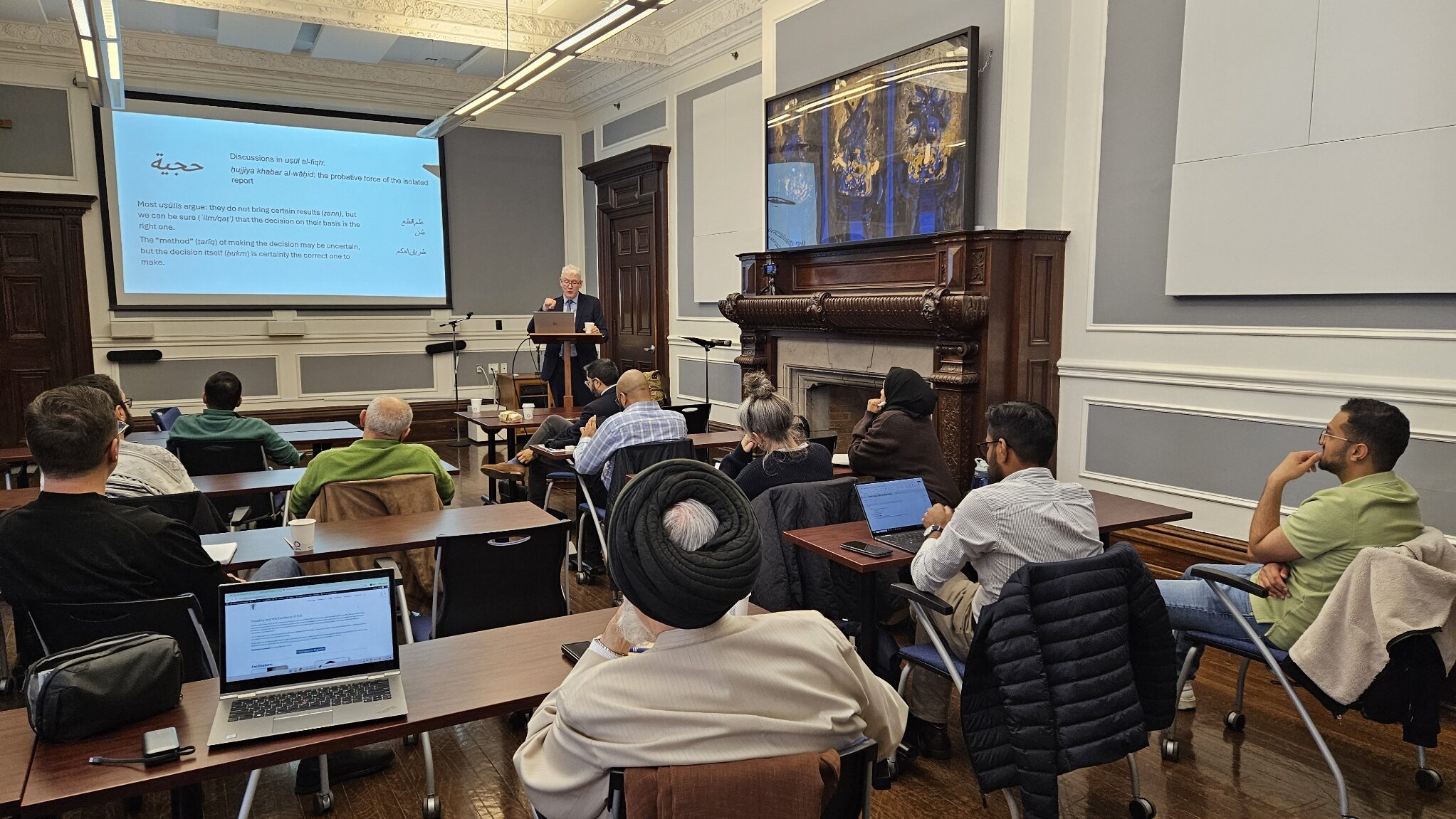
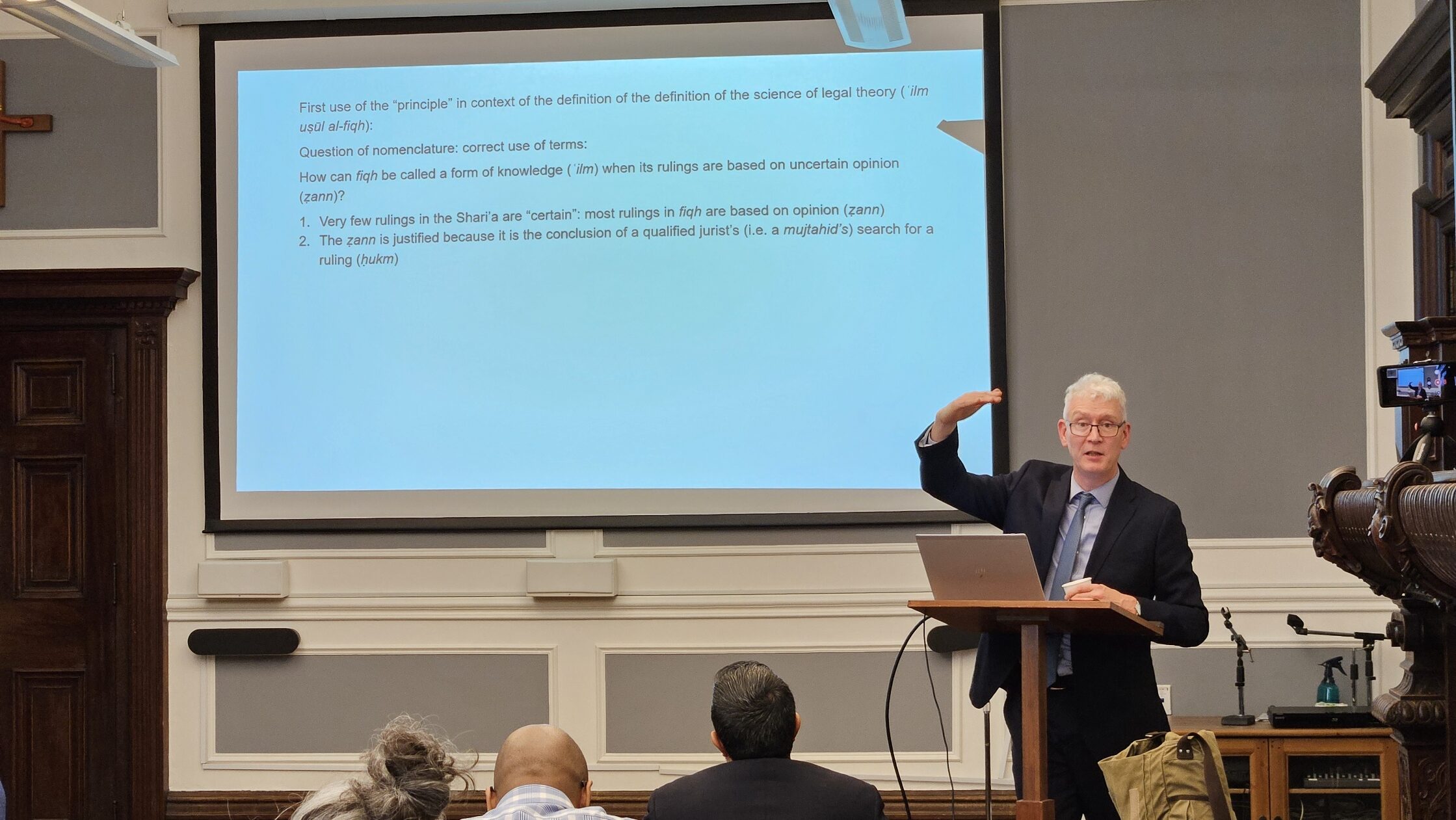
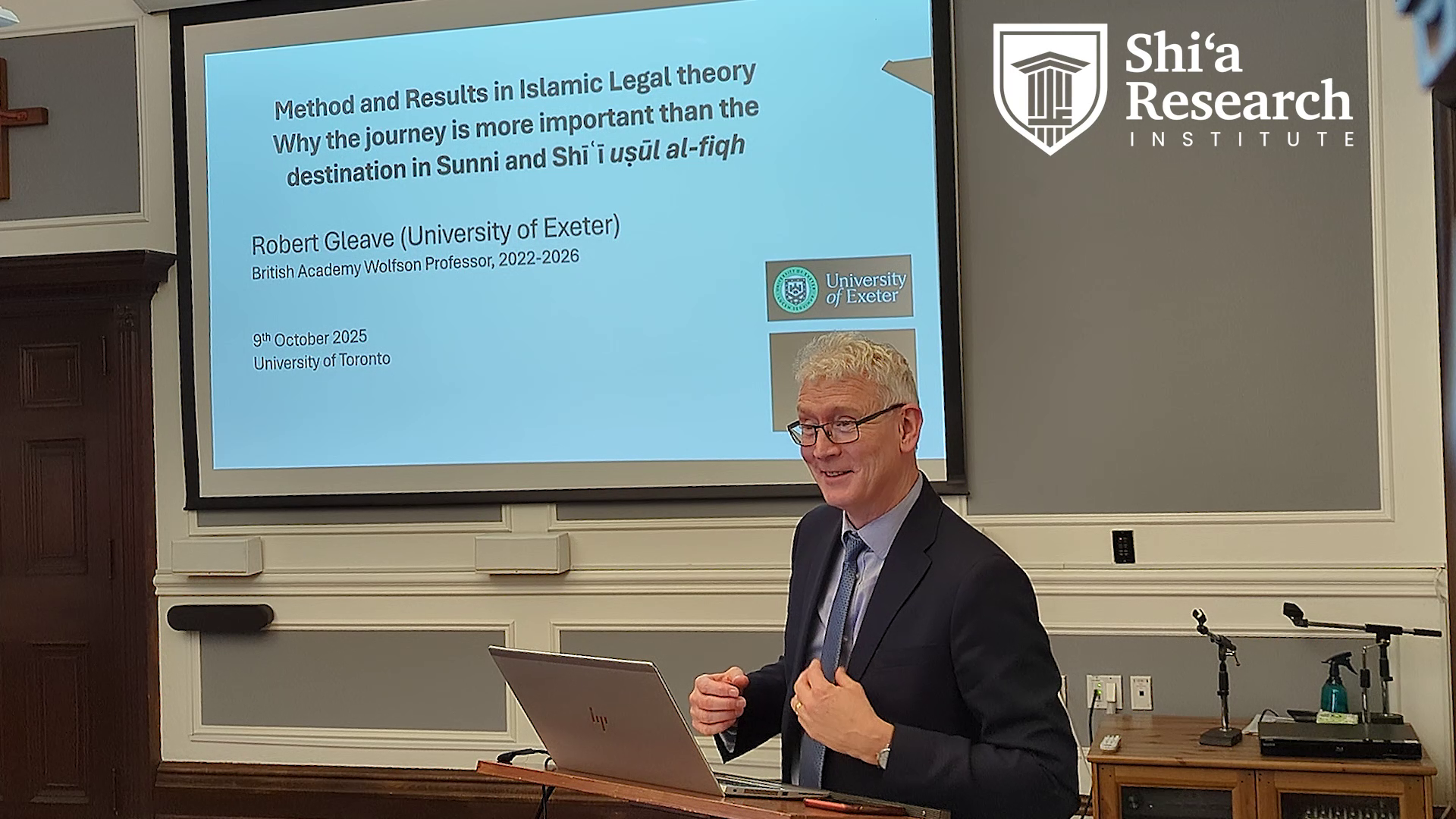

That Sunni and Shīʿī jurists shared a common theoretical mode of discourse is now broadly accepted within the study of Islamic legal theory (uṣūl al-fiqh). Numerous examples of crosspollination across sectarian lines can be identified, and Islamic legal history is increasingly recognised as encompassing many different traditions of both thought and practice. Today’s hard divisions between schools of thought and religious traditions did not dominate the intellectual landscape of the premodern period.
The shared discipline of uṣūl al-fiqh provides an excellent example of how ideas in one tradition travelled across “sectarian” lines and became embedded in new theological and legal contexts. In this lecture, I explore one area in which both concepts and a lexicon of technical terms were common across writers of uṣūl: how the epistemological status of the method whereby a legal norm is derived affects the status of the norm itself. Or, put another way: can we ever know we must follow a law within the Shari’a (i.e. a ḥukm) when method of deducing the rule (i.e. our ṭarīq) does not give indubitable (ʿilmī) results. There were many writers of uṣūl al-fiqh who believed it was possible to get certain results out of uncertain methods and this was expressed in variants of the slogan ẓanniyyat al-ṭarīq lā tunāfī ʿilmiyyat al-ḥukm – which can be translated as “That the method of establishing the ruling is only probable does not mean the ruling itself is not certain’. In short, one can be sure of the result of a process of legal derivation even though the means of deriving it is uncertain.
In this lecture, I explore those who supported this approach – and those who argued against it. And for those who supported it (which eventually formed the majority in both Sunni and Shīʿī jurists) – why this does not mean a legal free-for-all in uṣūl al-fiqh. The circumstances in which an uncertain method can lead to certain results are carefully circumscribed, and the methods which qualify are precisely delineated. In short, the journey (to a rule) is more important than the destination (i.e. the rule itself). The debate in both Sunni and Shīʿī uṣūl reveals some fundamental questions about the character and purpose of Islami legal theory.
Robert Gleave is Professor of Arabic Studies in the Institute of Arab and Islamic Studies, University of Exeter, UK. He researches the history of Shīʿī law, with a particular interest in legal hermeneutics.
He has led international projects linked to these themes, and currently leads the SDIL project: Schooling and Deschooling Islamic Law, funded by the Gerda Henkel Foundation.
He is author of Inevitable Doubt: Two Shīʿī Theories of Jurisprudence (Brill, 2000), Scripturalist Islam: The History and Doctrines of the Akhbārī Shīʿī School (Brill, 2007) and Islam and Literalism: Literal Meaning in Interpretation in Islamic Legal Theory (EUP, 2012).
His most recent collaborative publications are (with Kumail Rajani) Shi’ite Legal Theory: Sources and Commentaries (Edinburgh: Edinburgh University Press/Gibb Memorial Trust, 2023) and (with Omar Anchassi), Islamic Law in Context: A Primary Source Reader (Cambridge: Cambridge University Press, 2004).