
Shiʿism and the Safawids
About the Conference
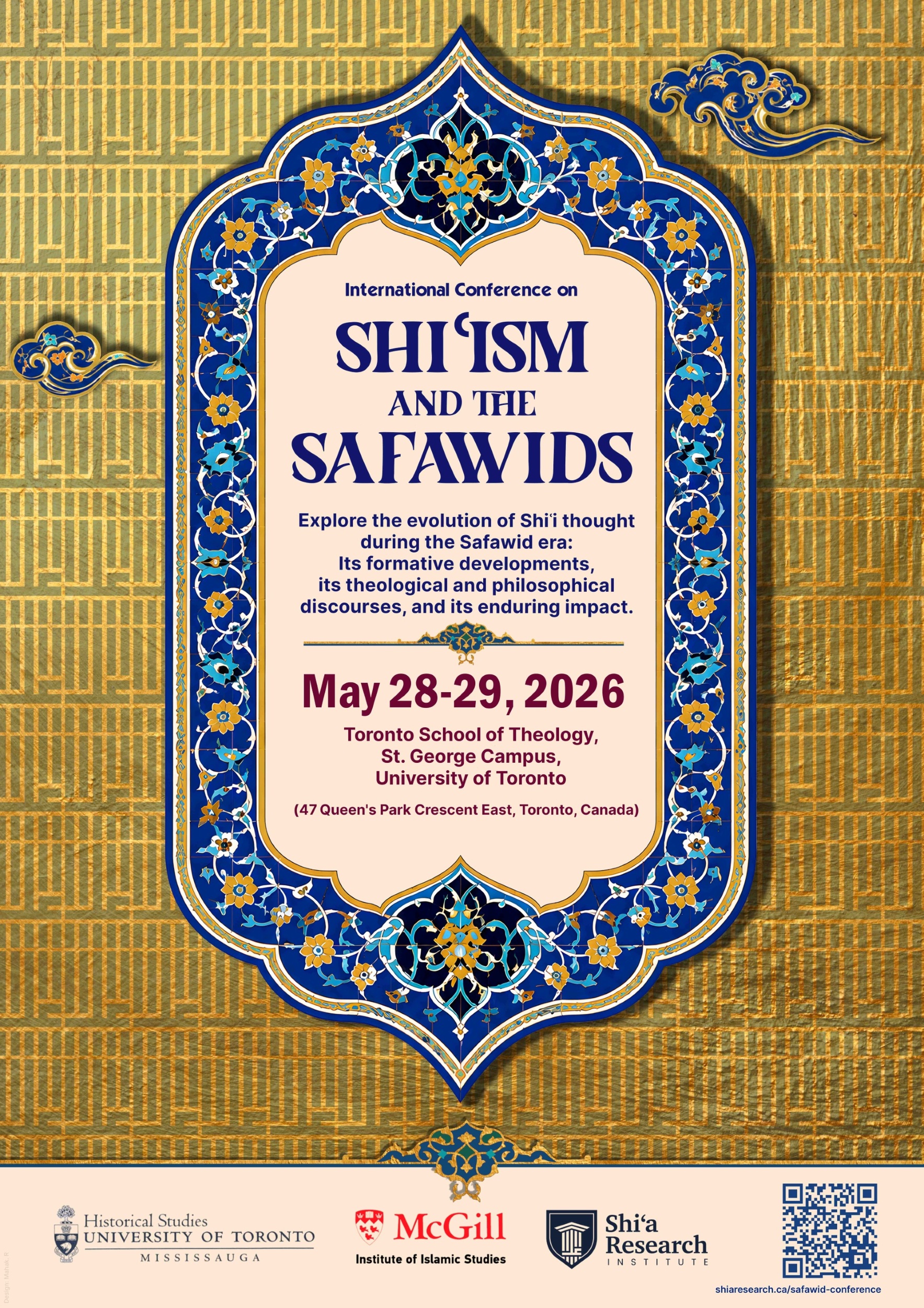
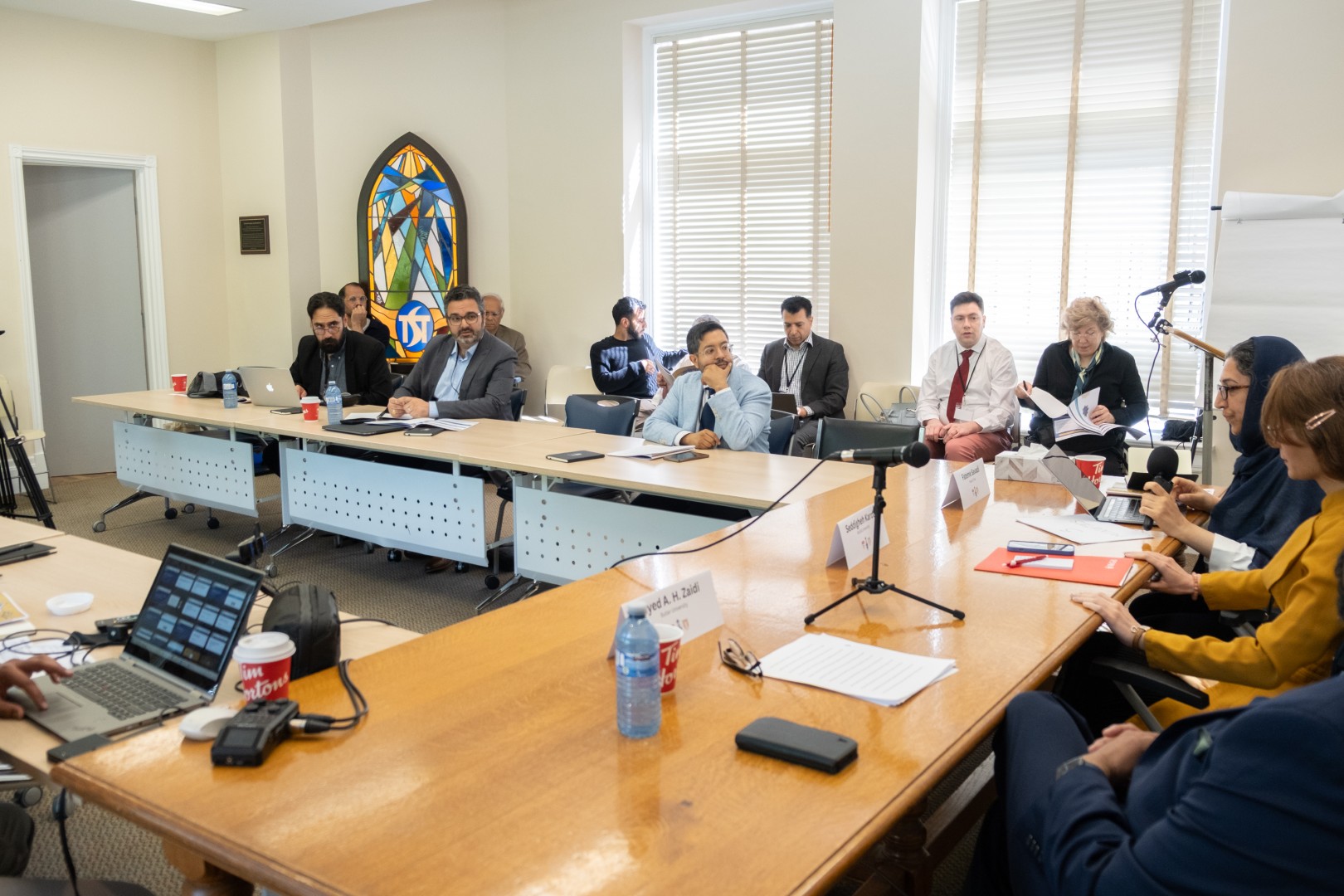
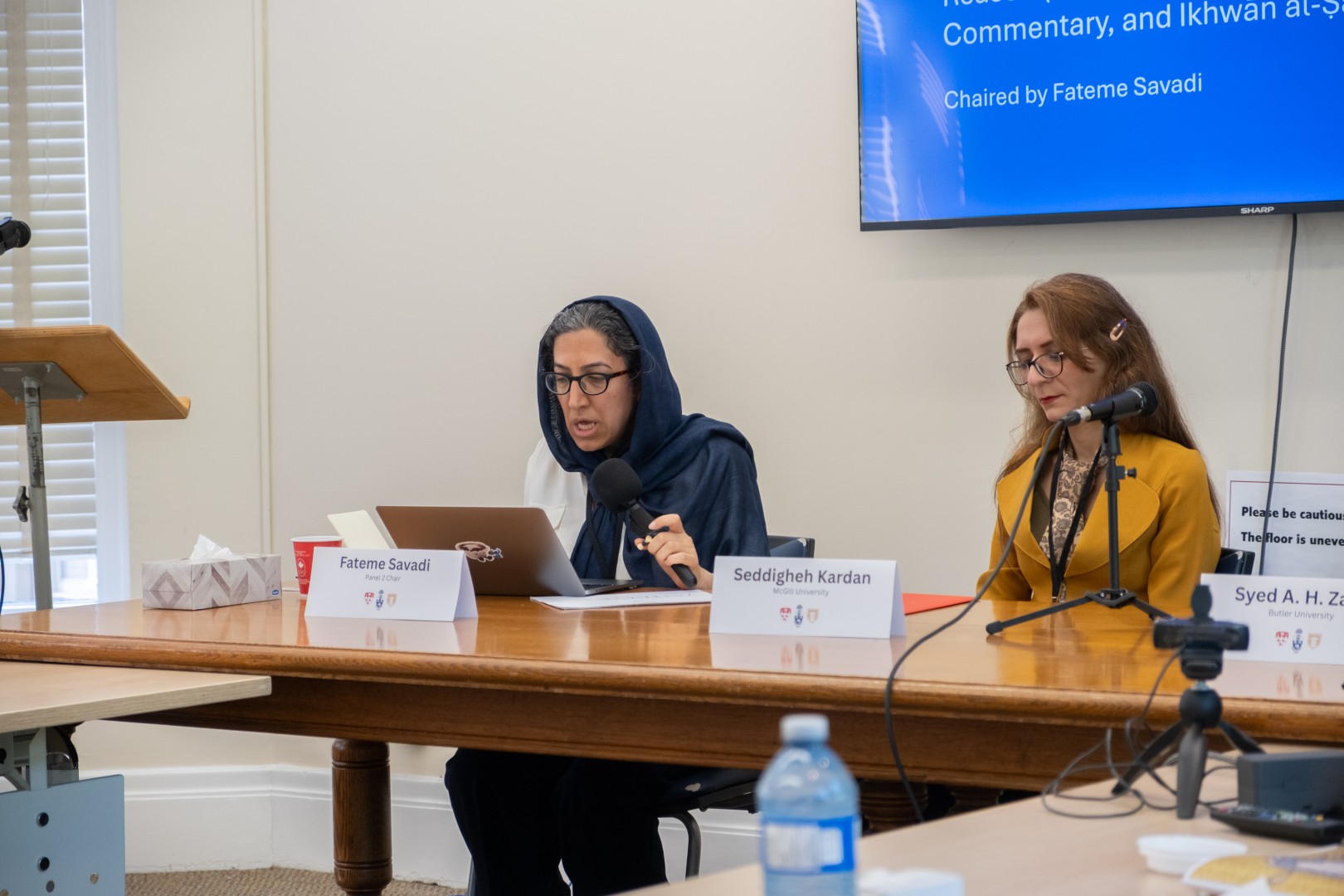
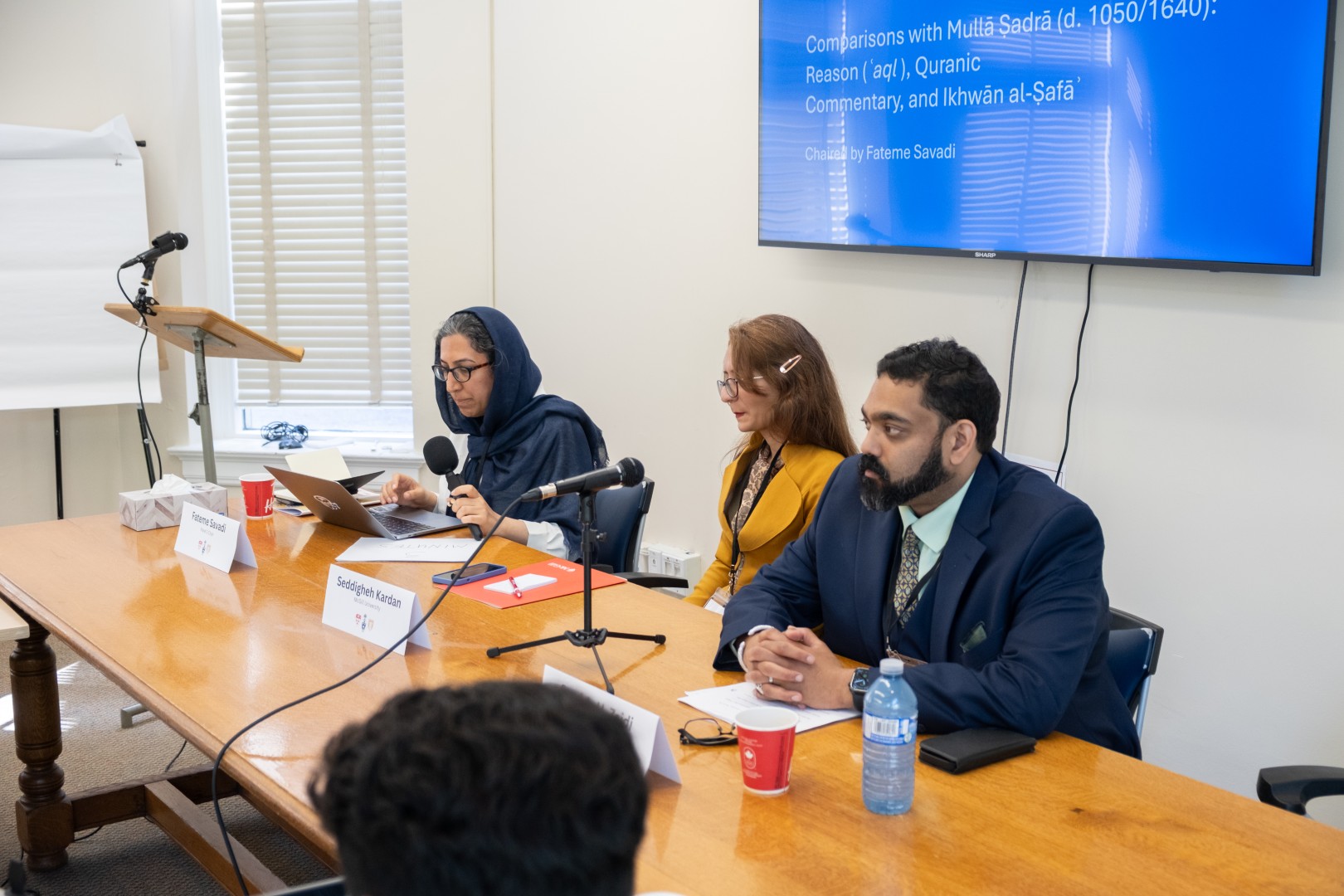
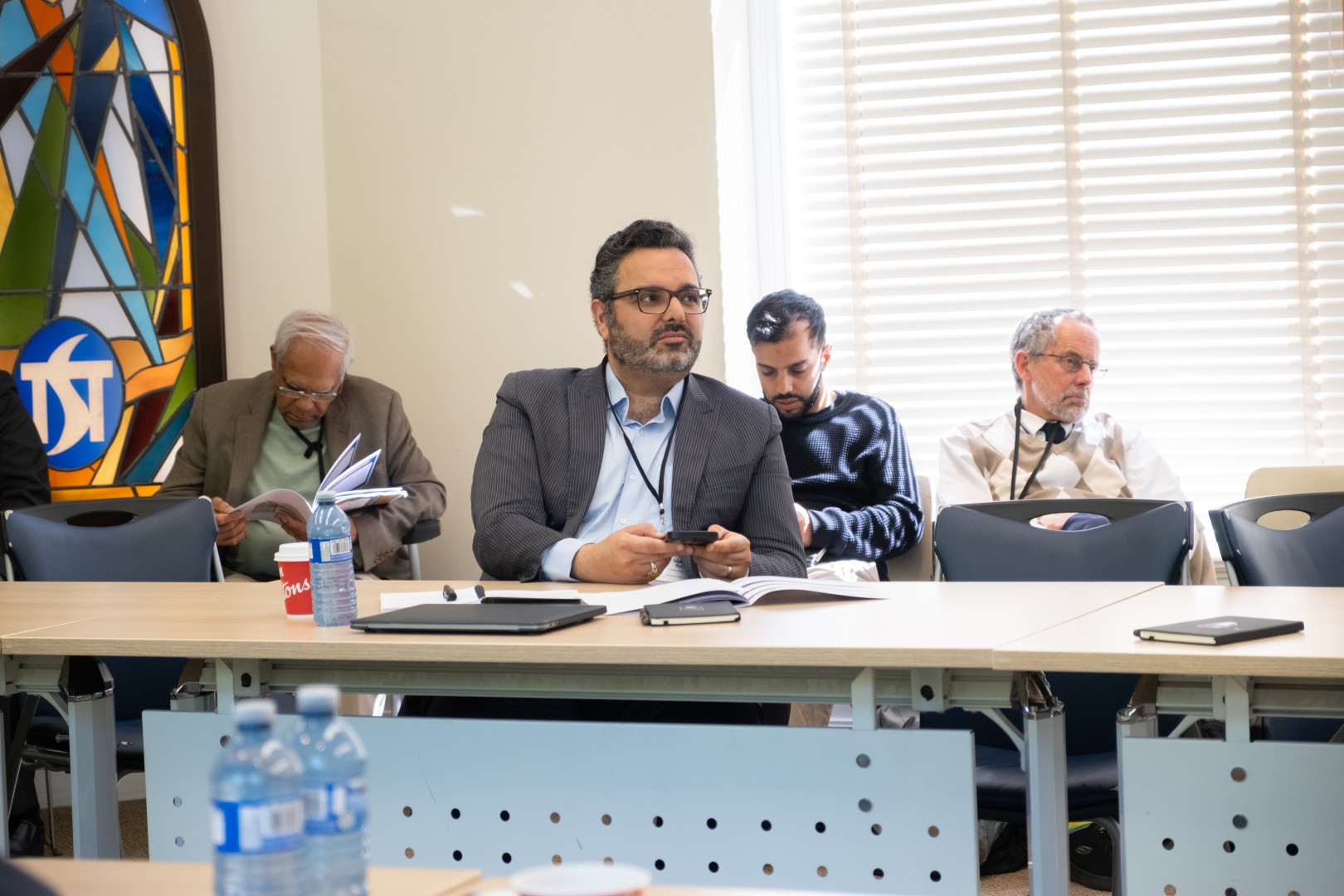
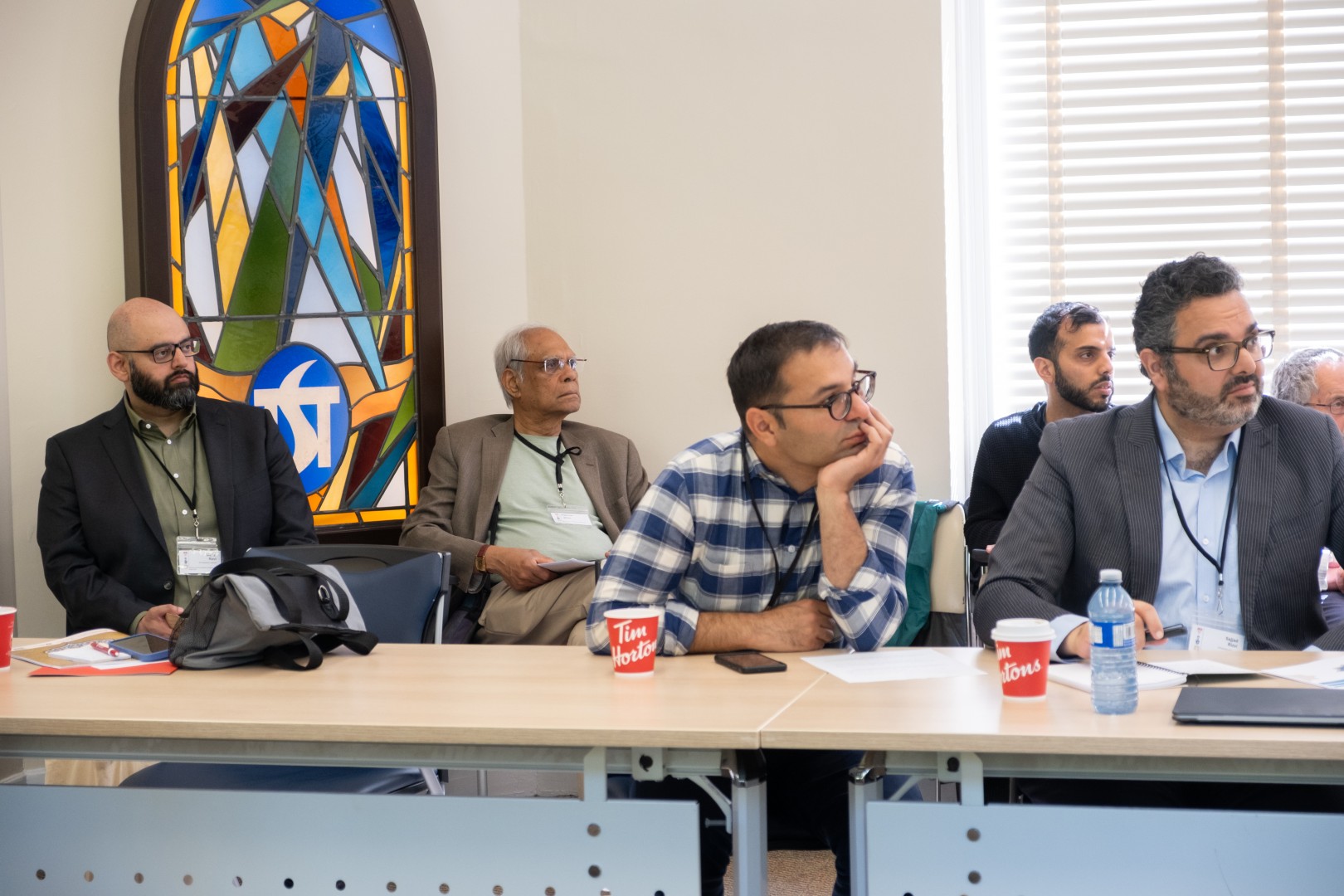
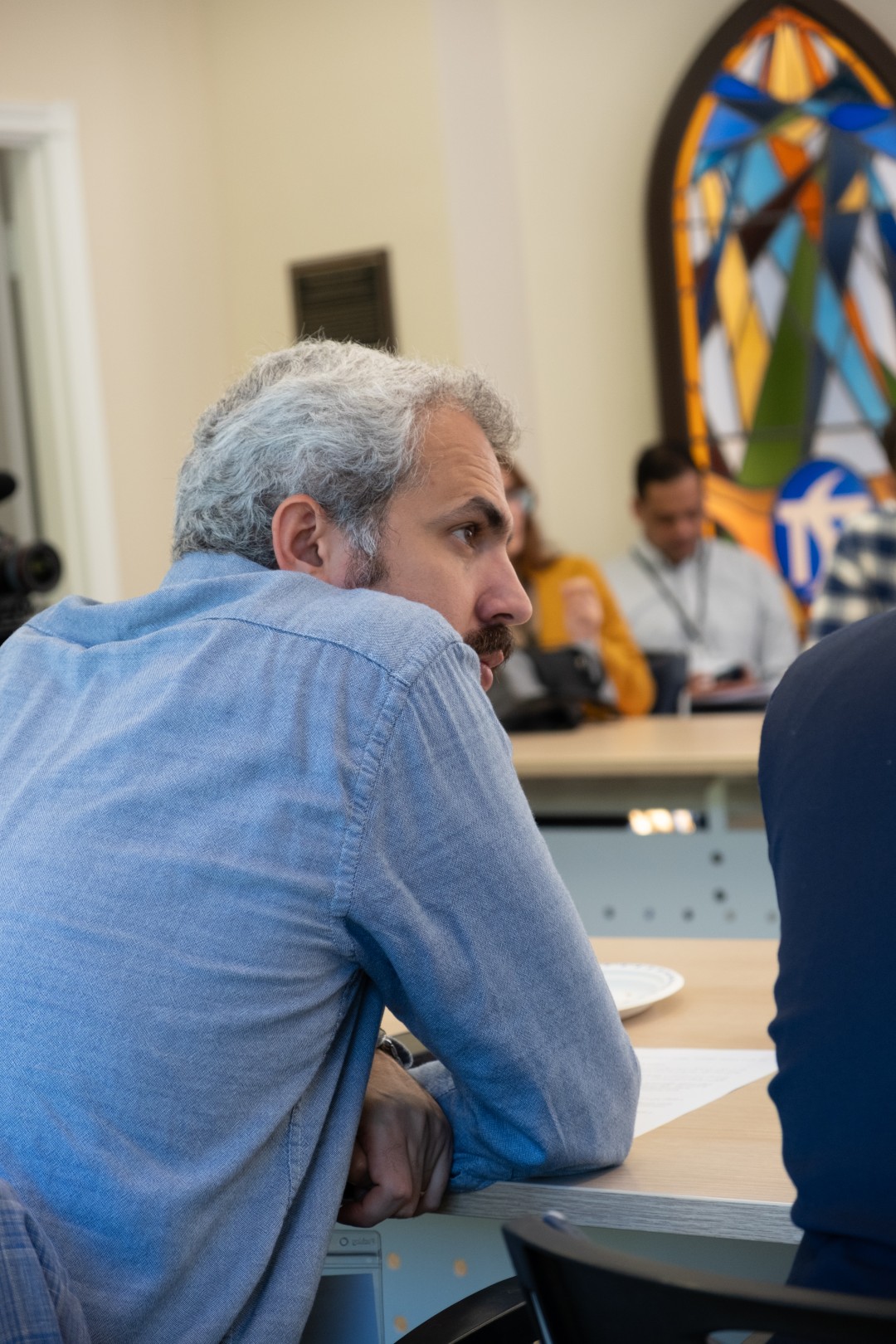
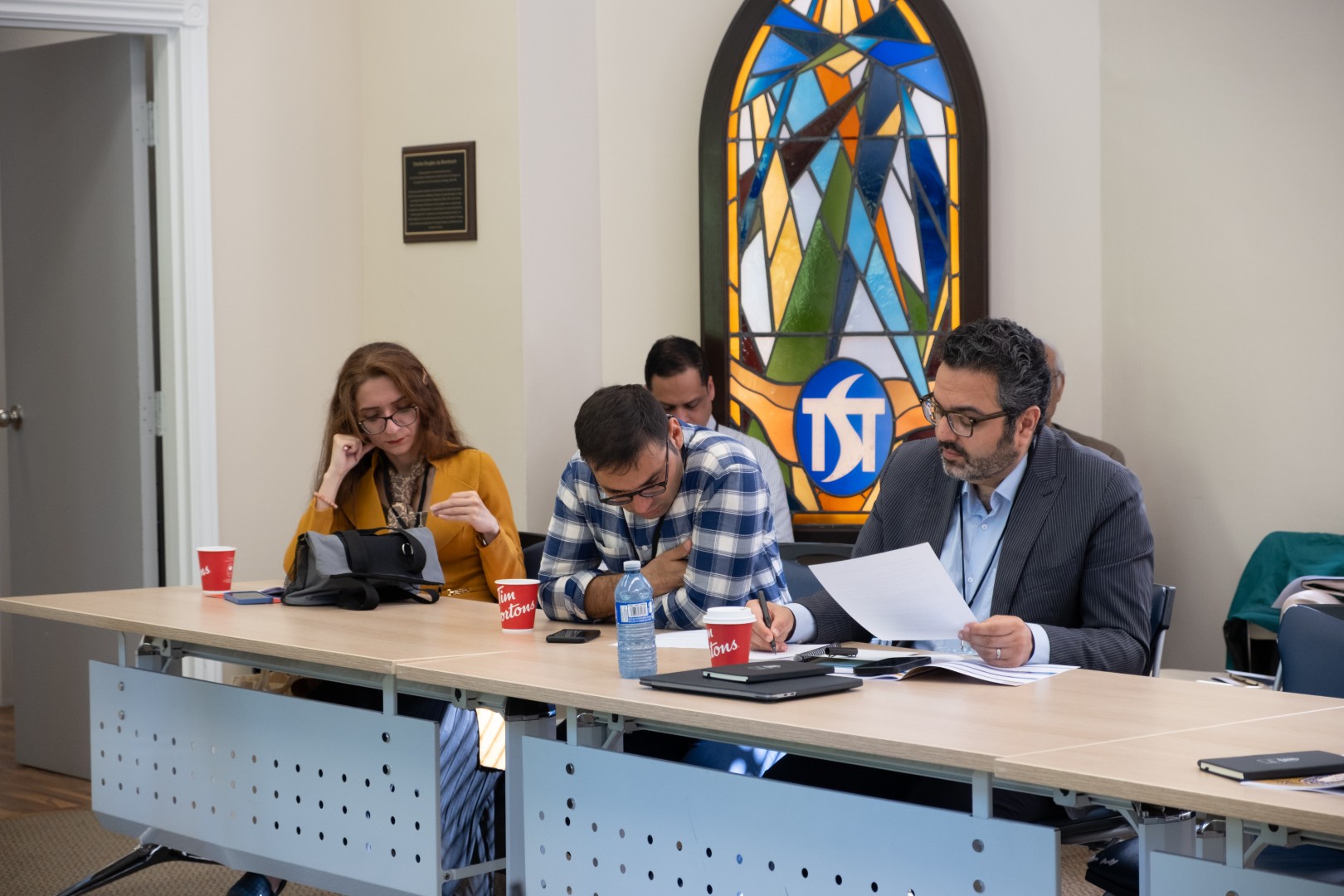
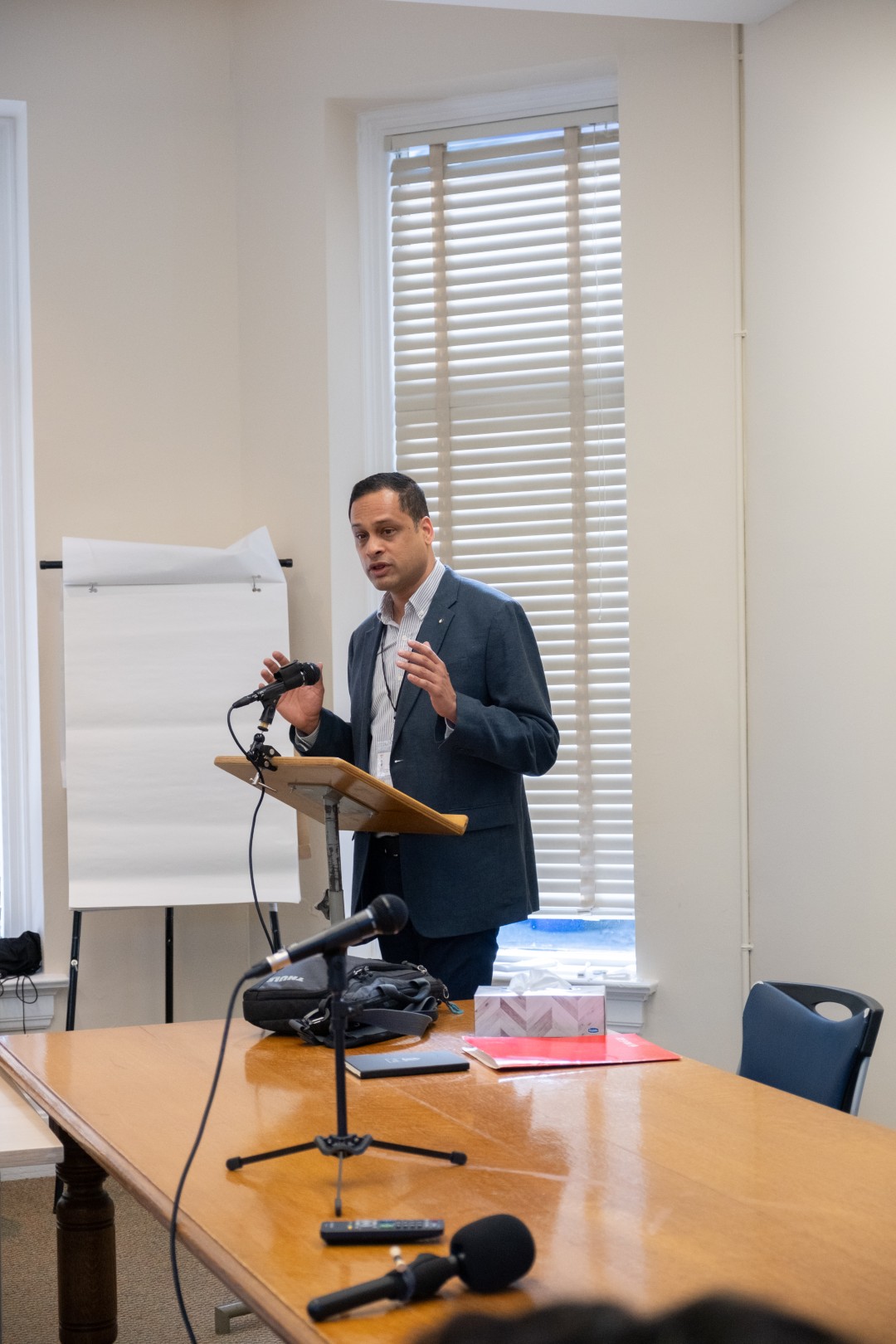
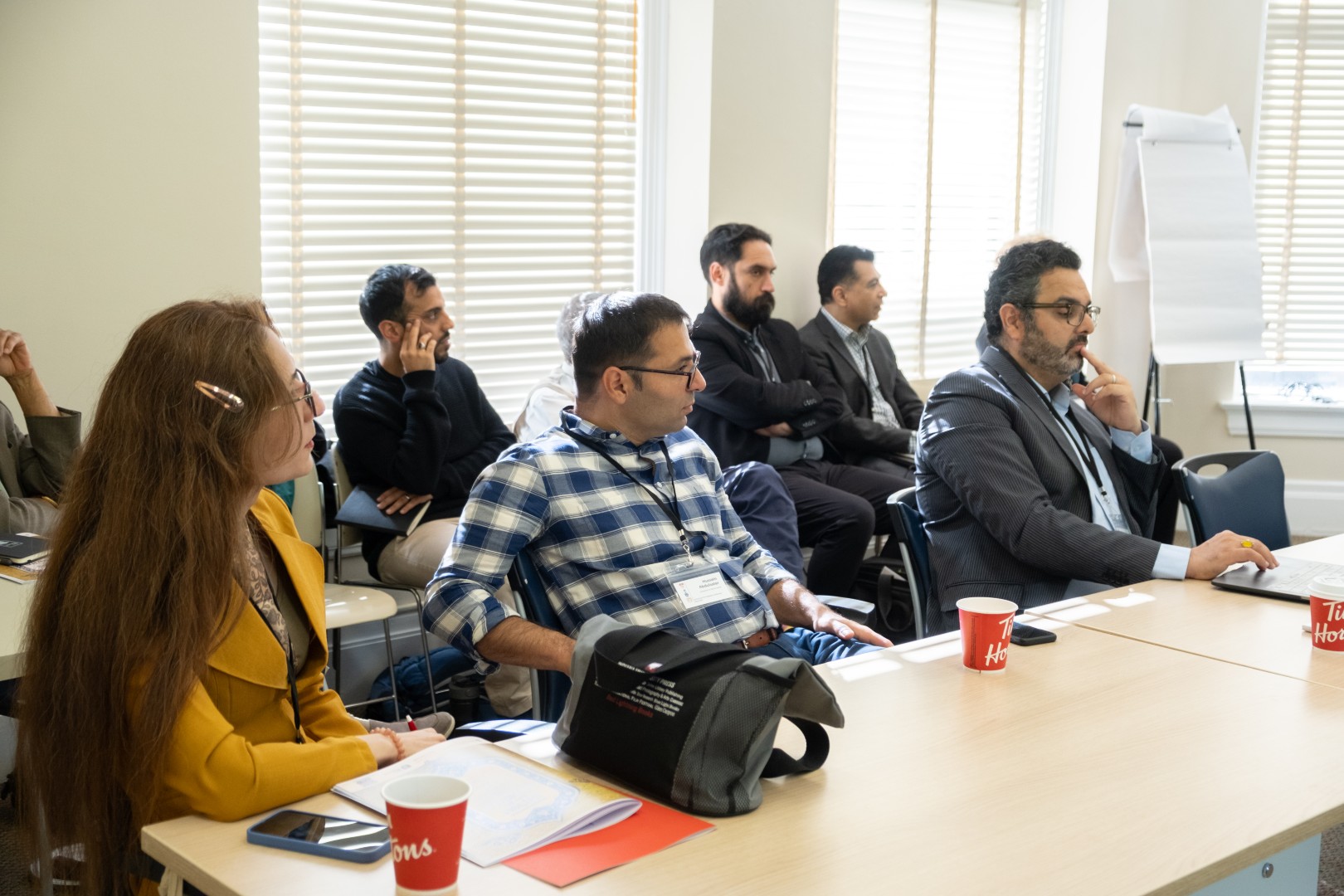
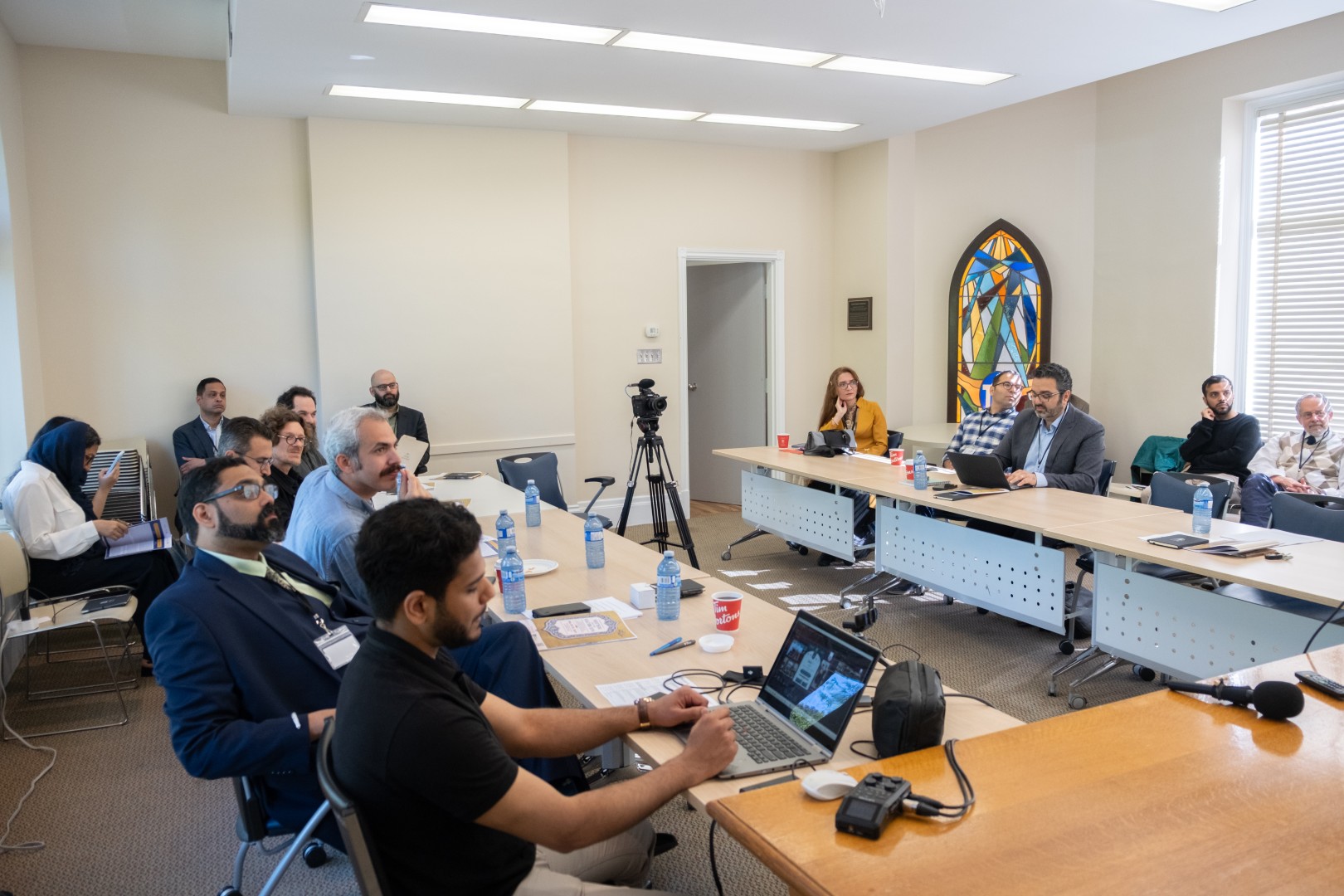
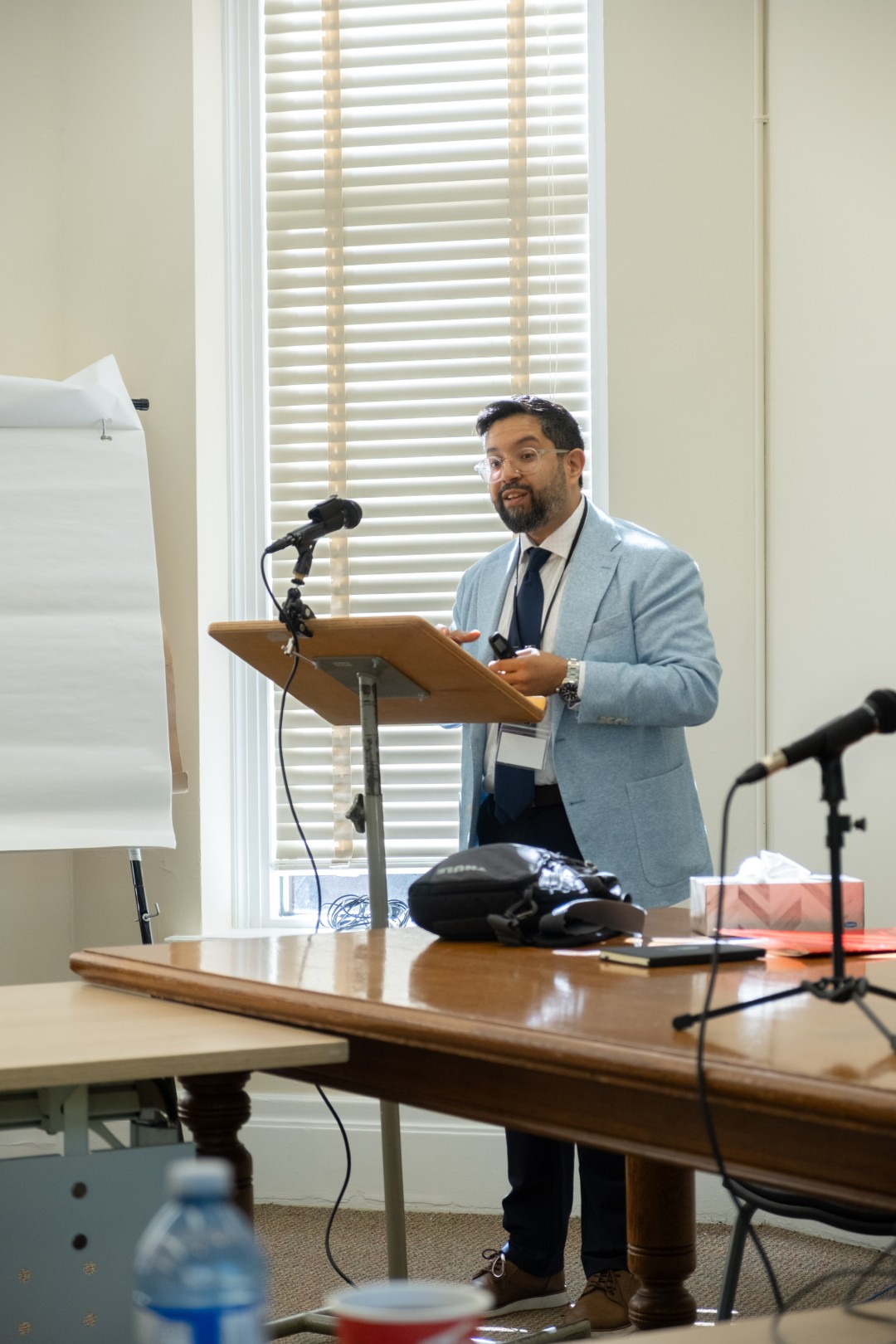
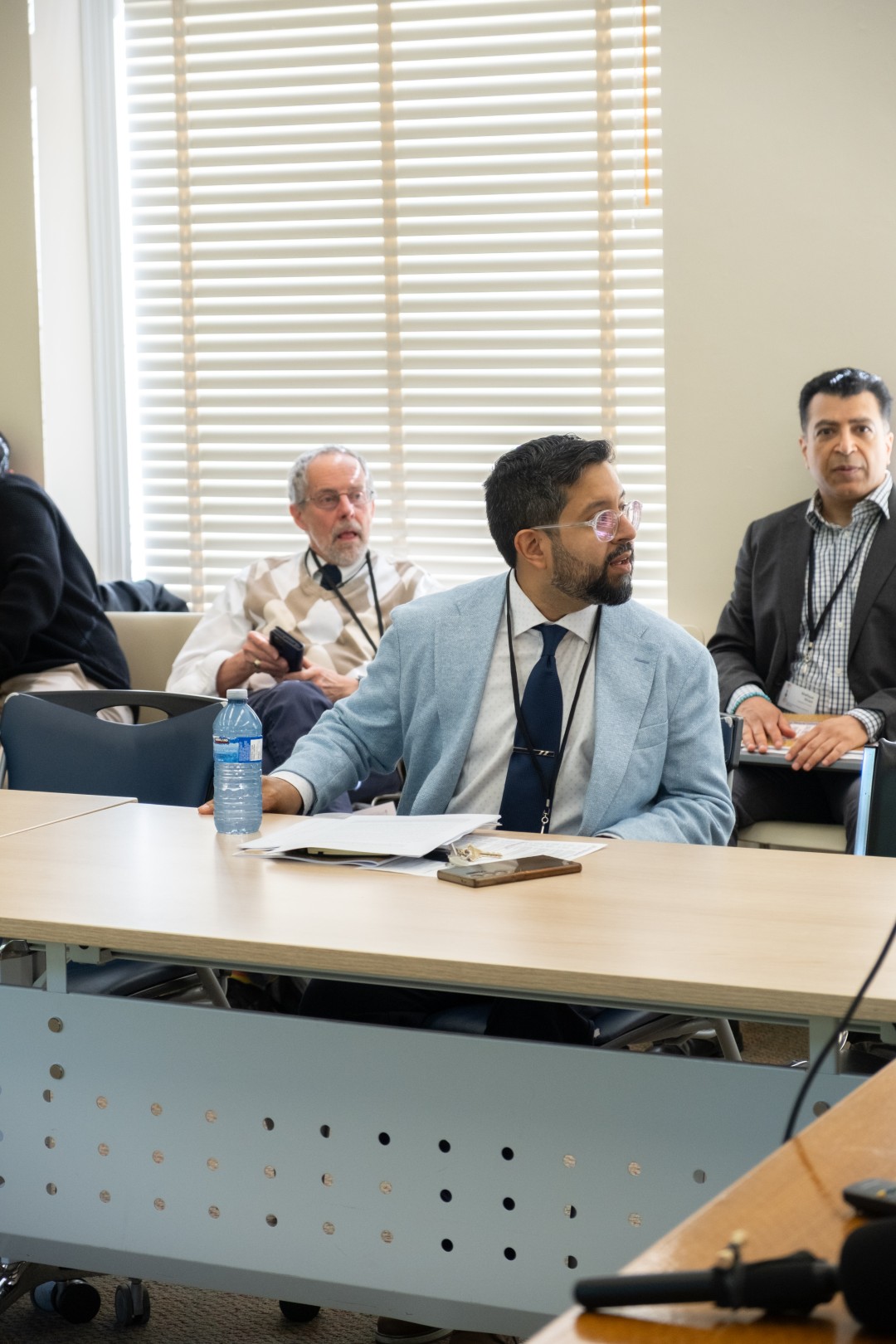
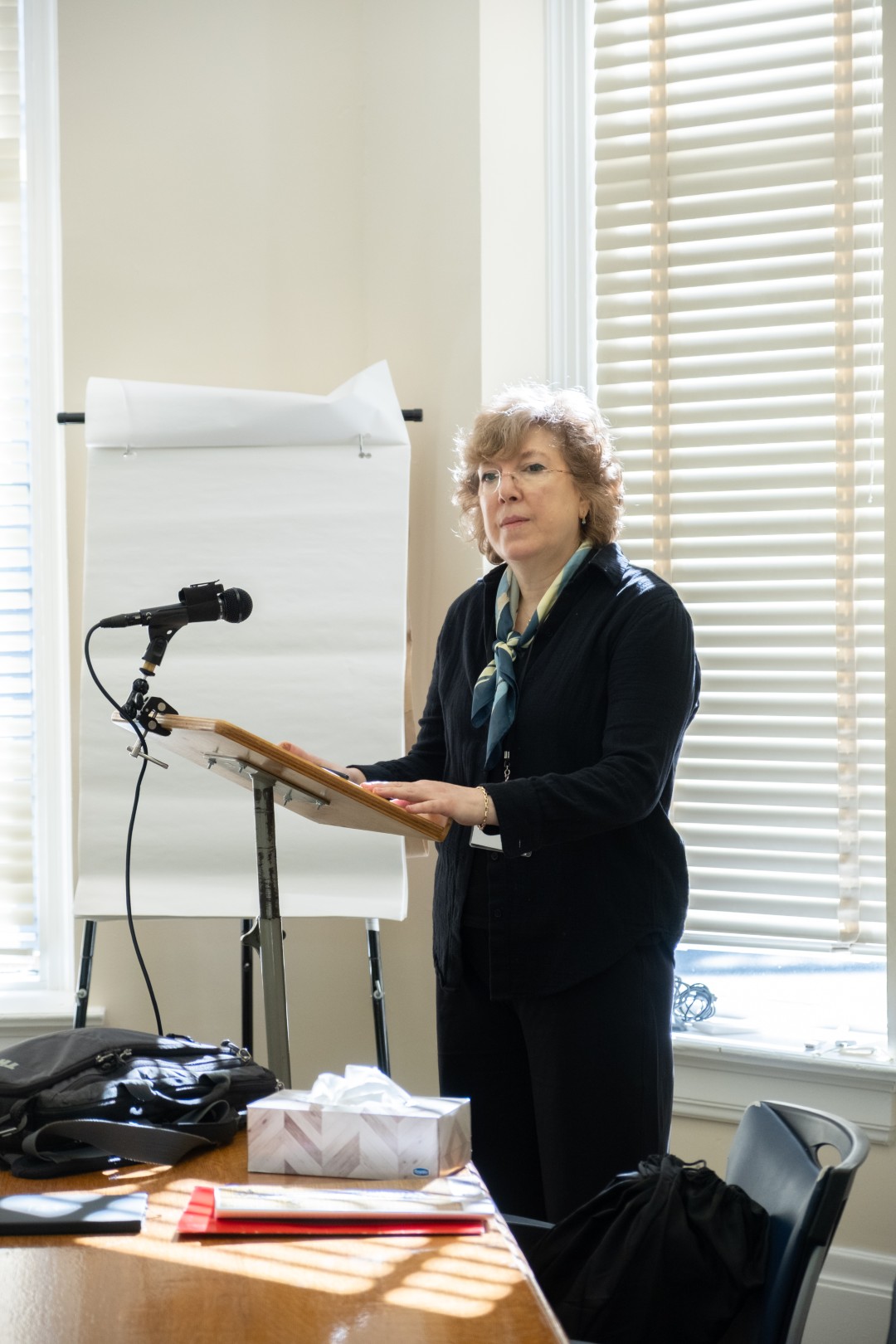
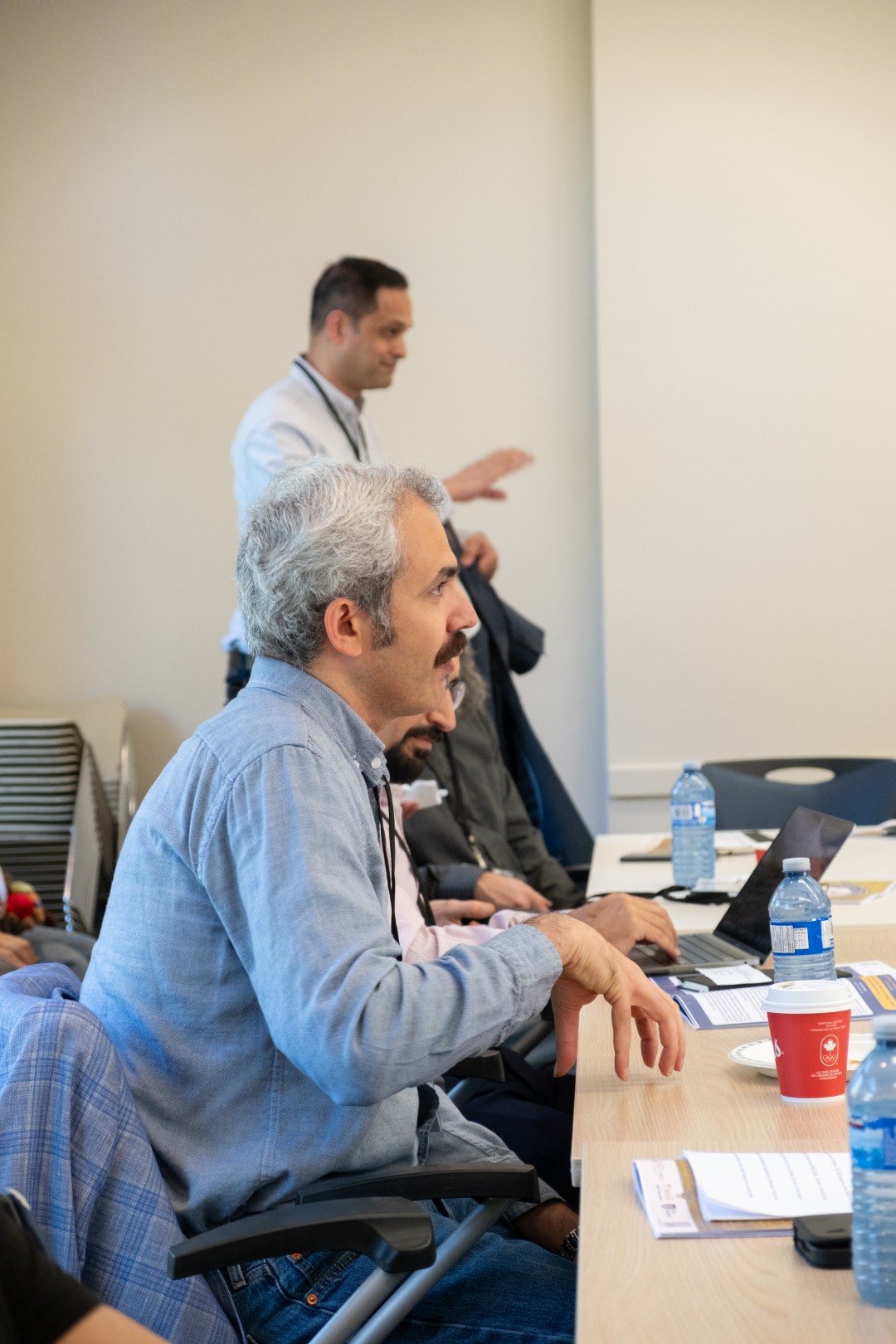
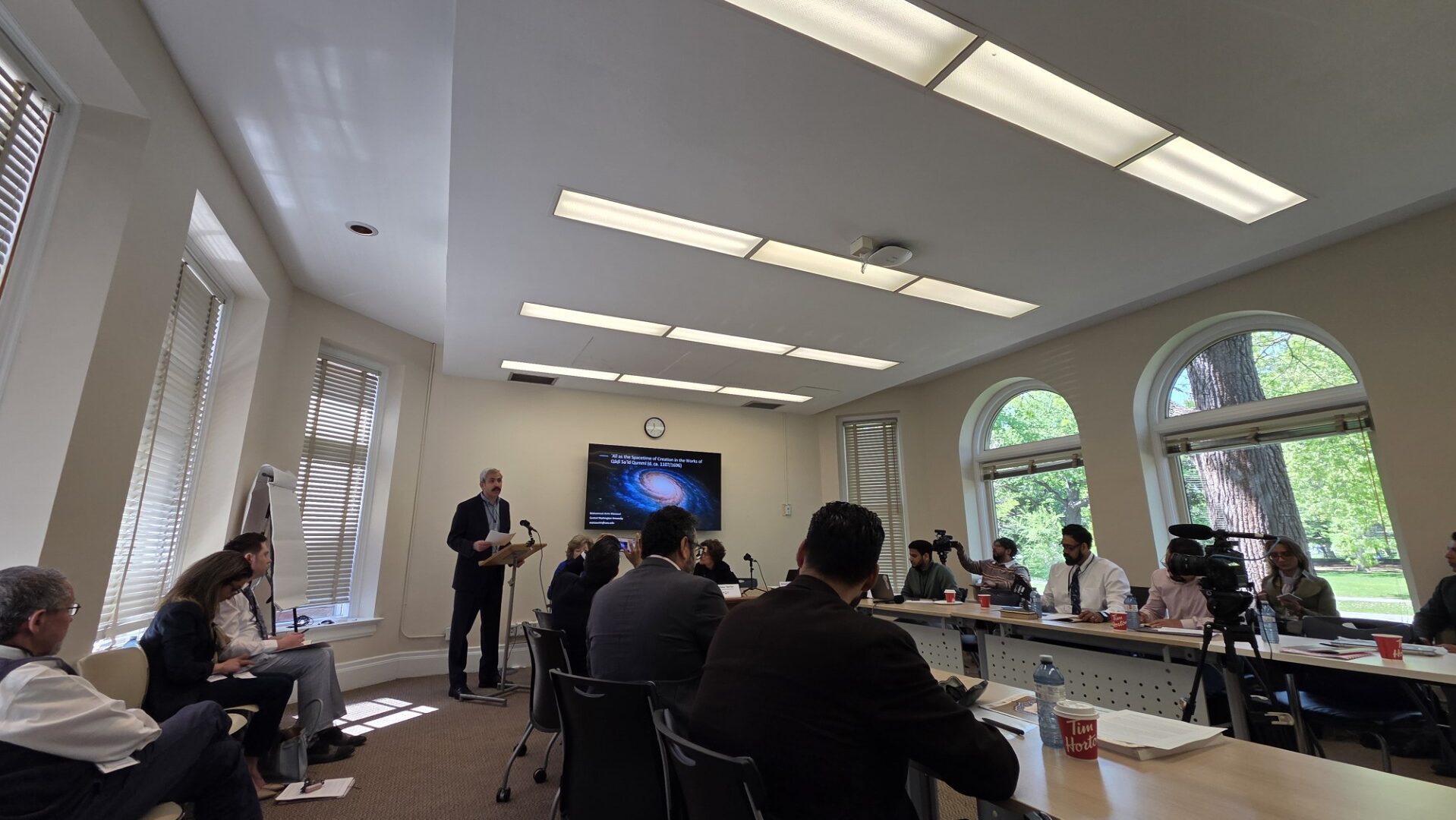
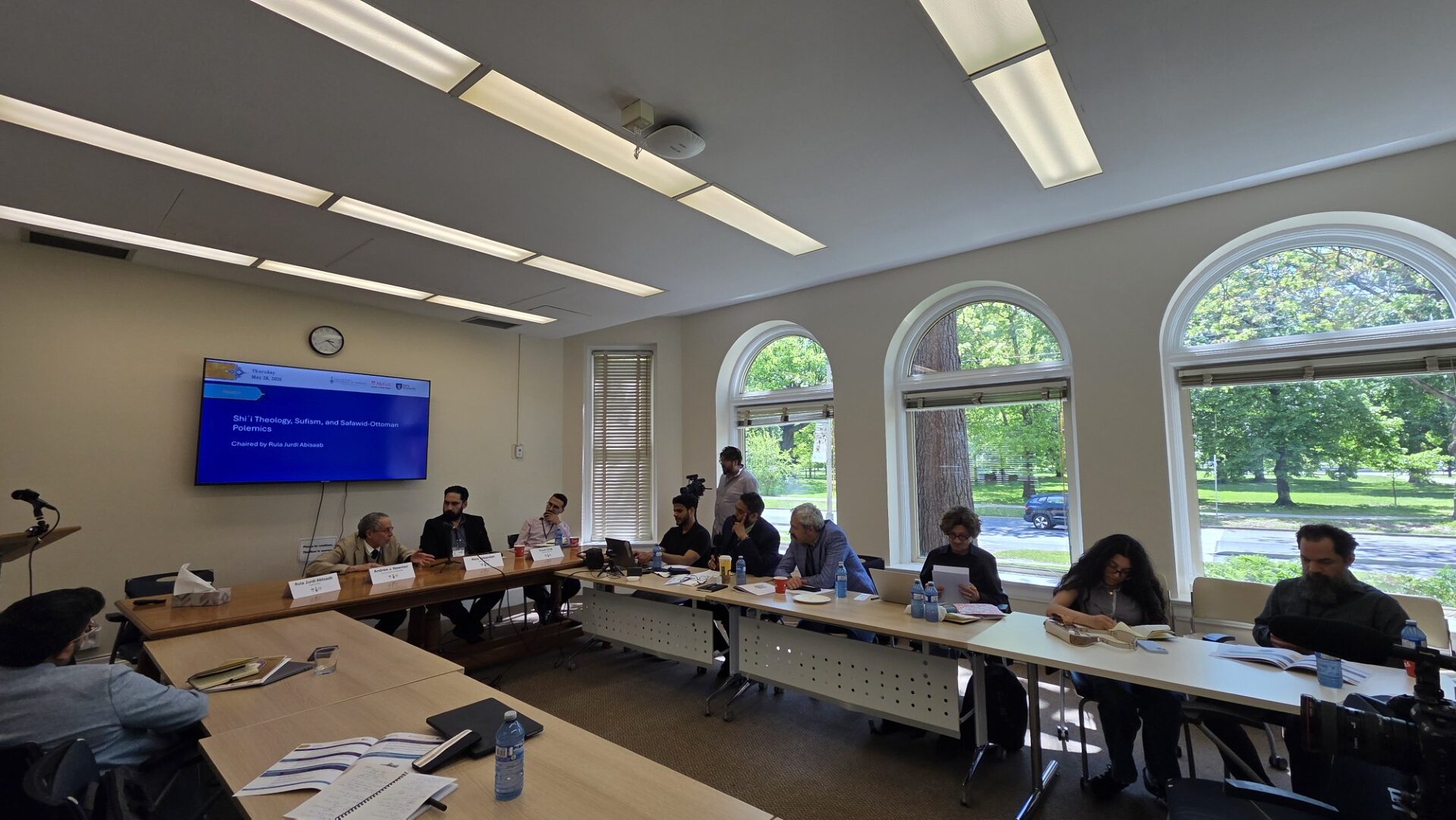
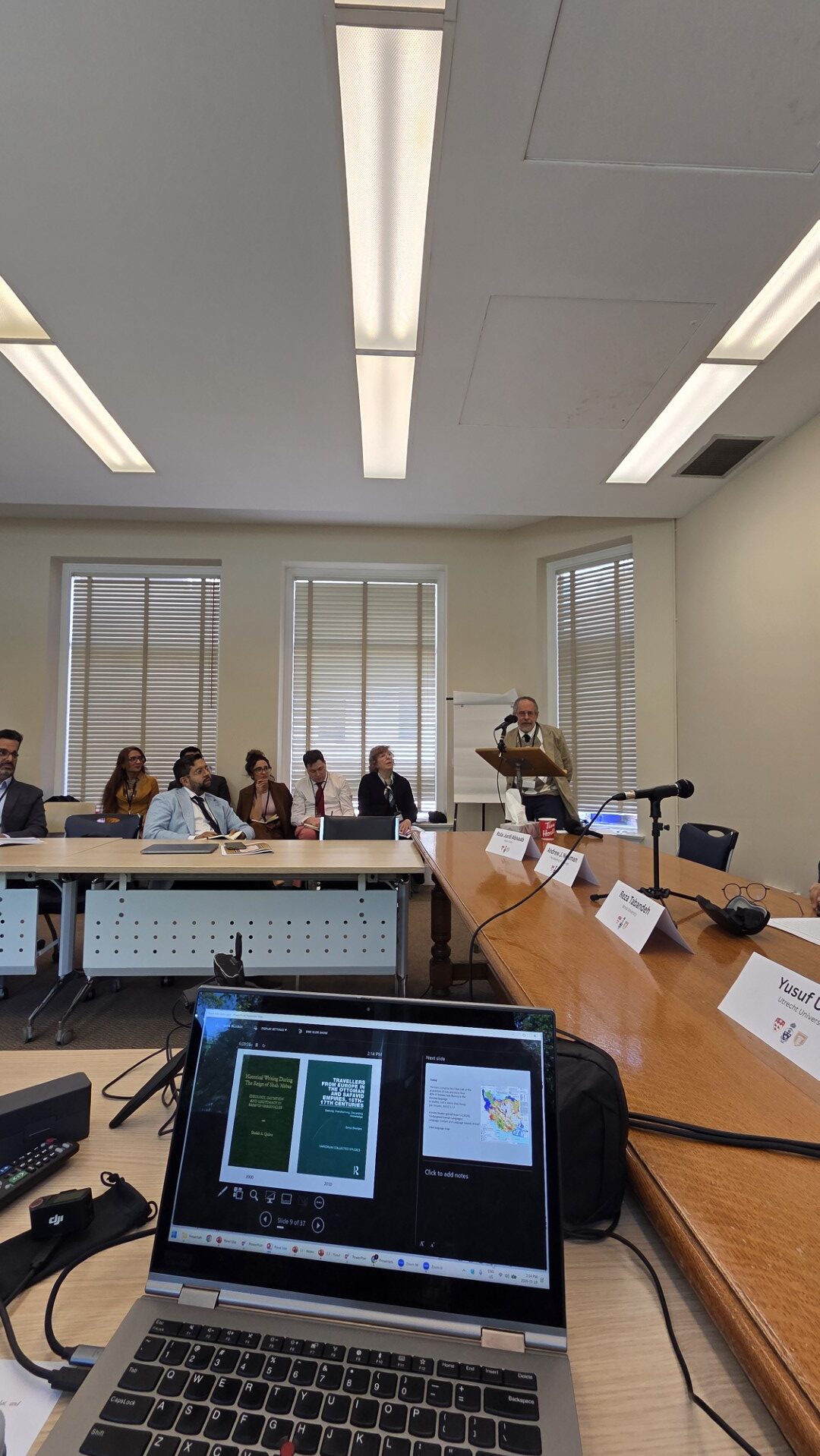
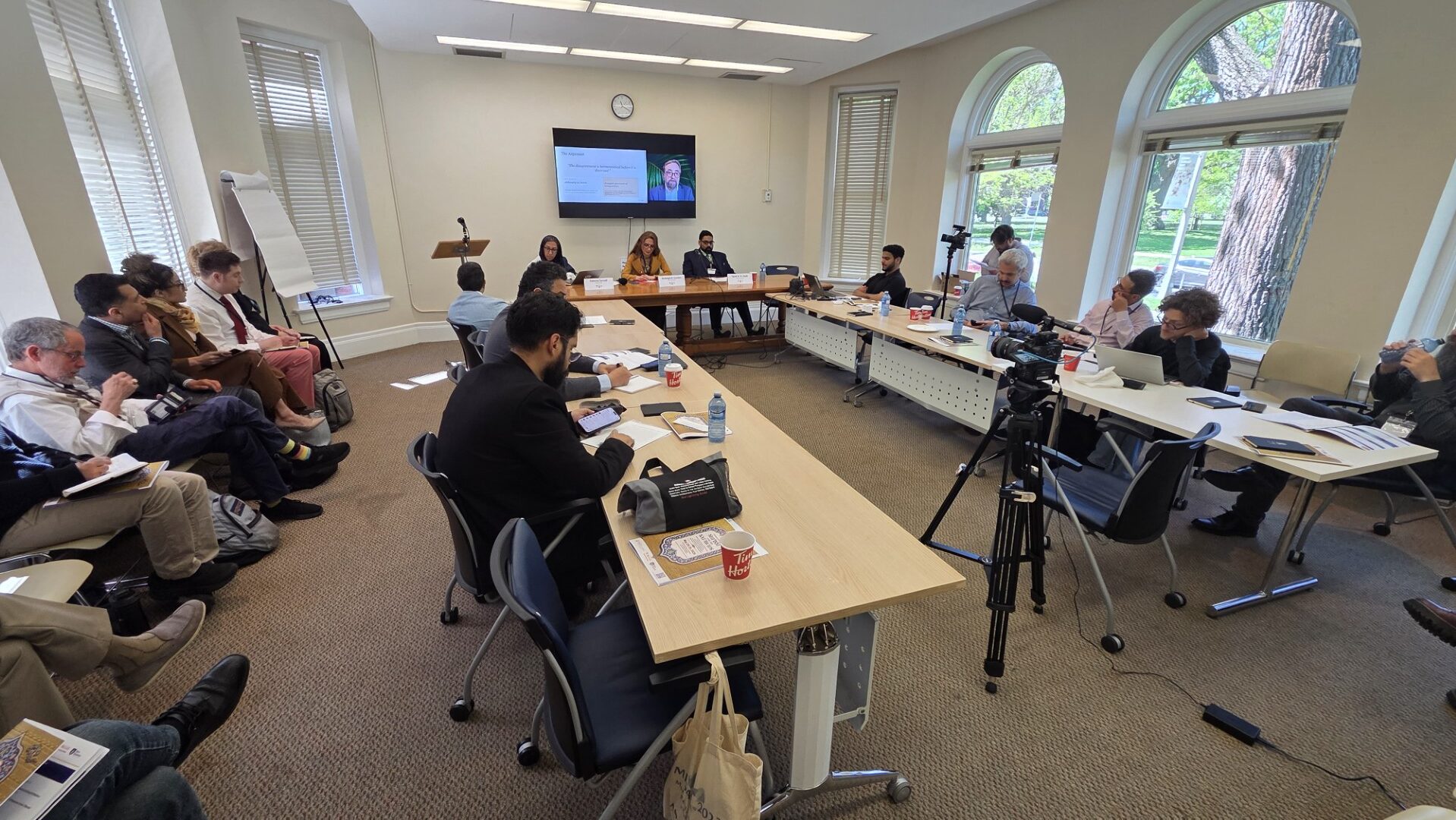
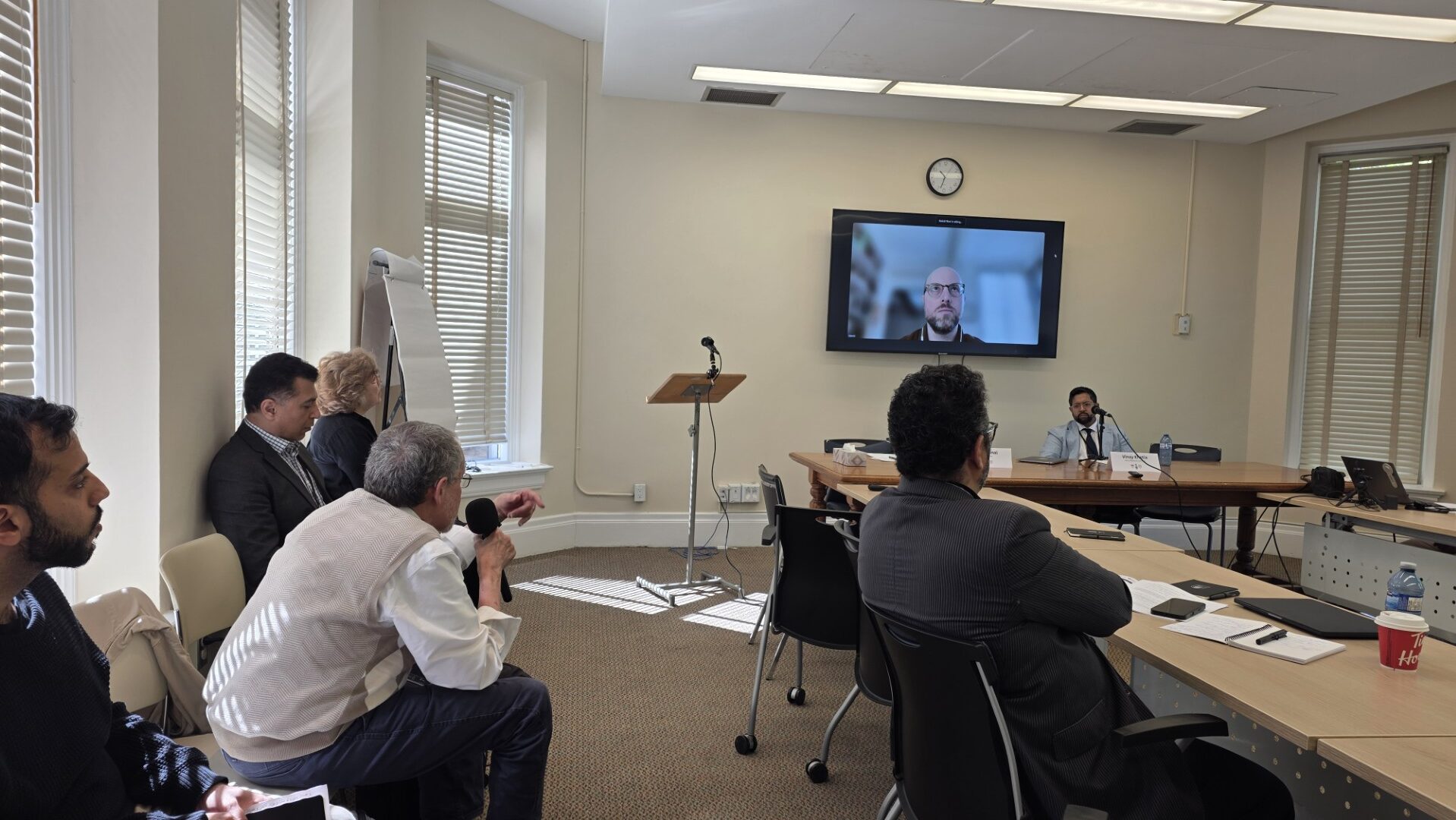
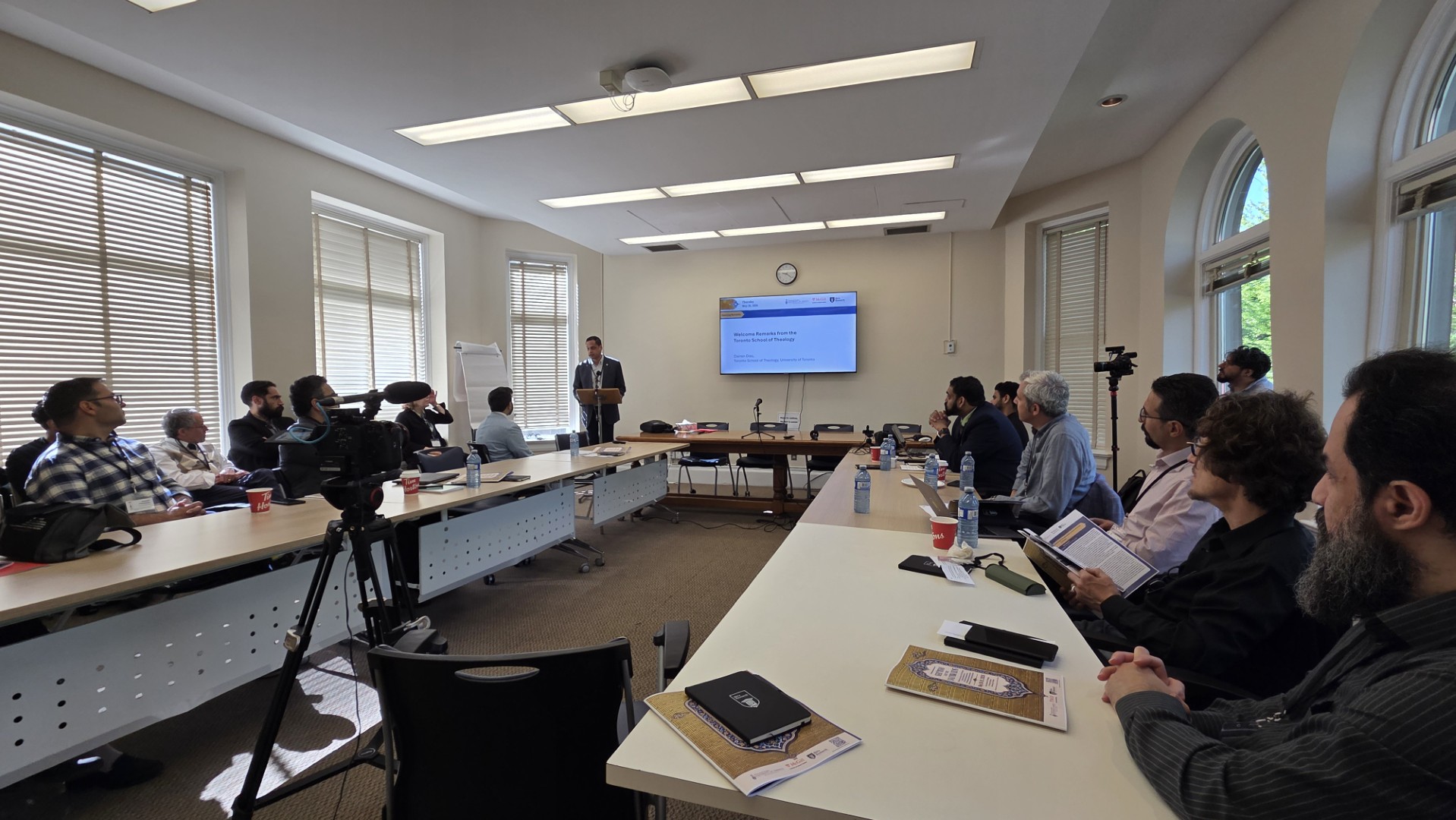
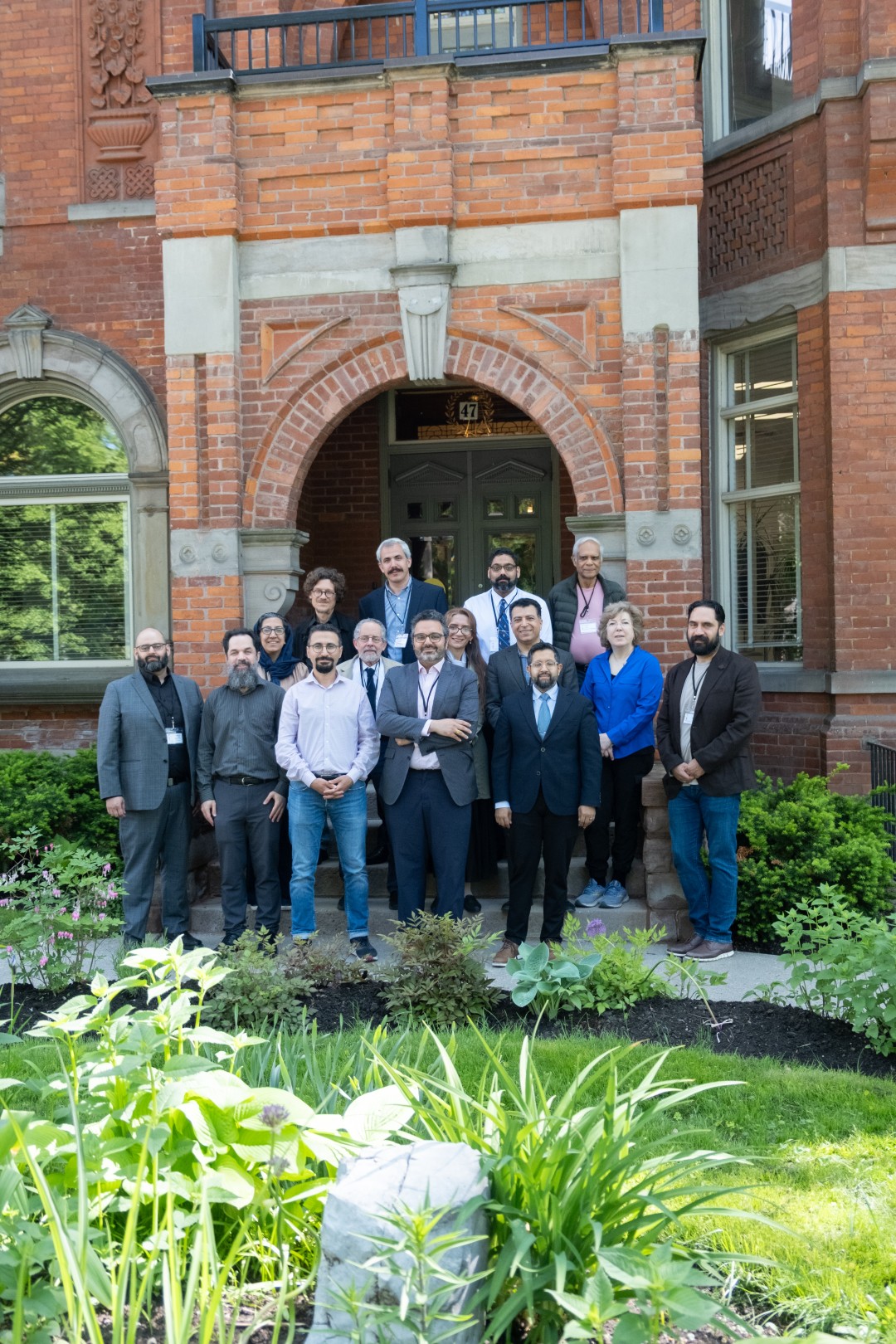
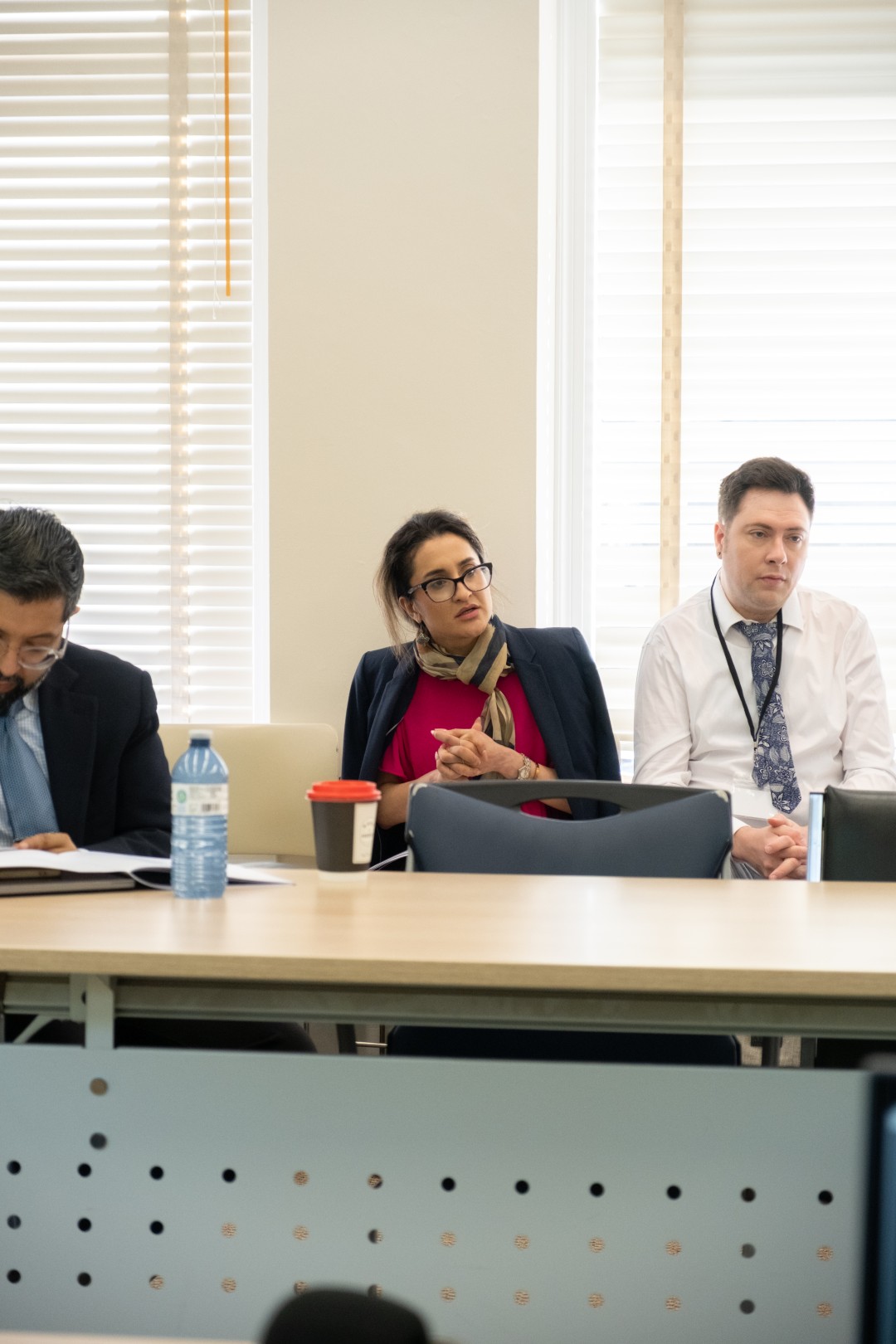
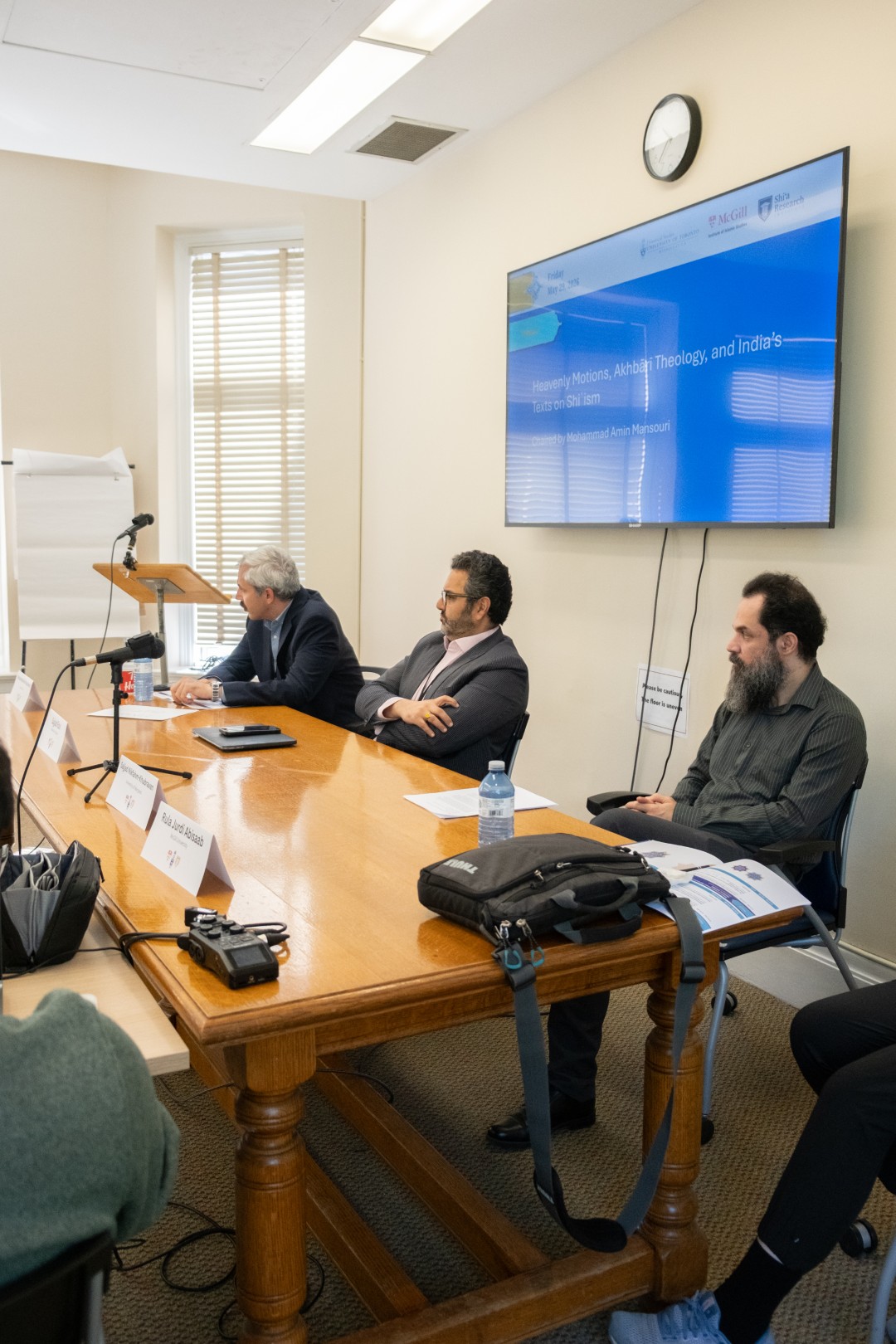
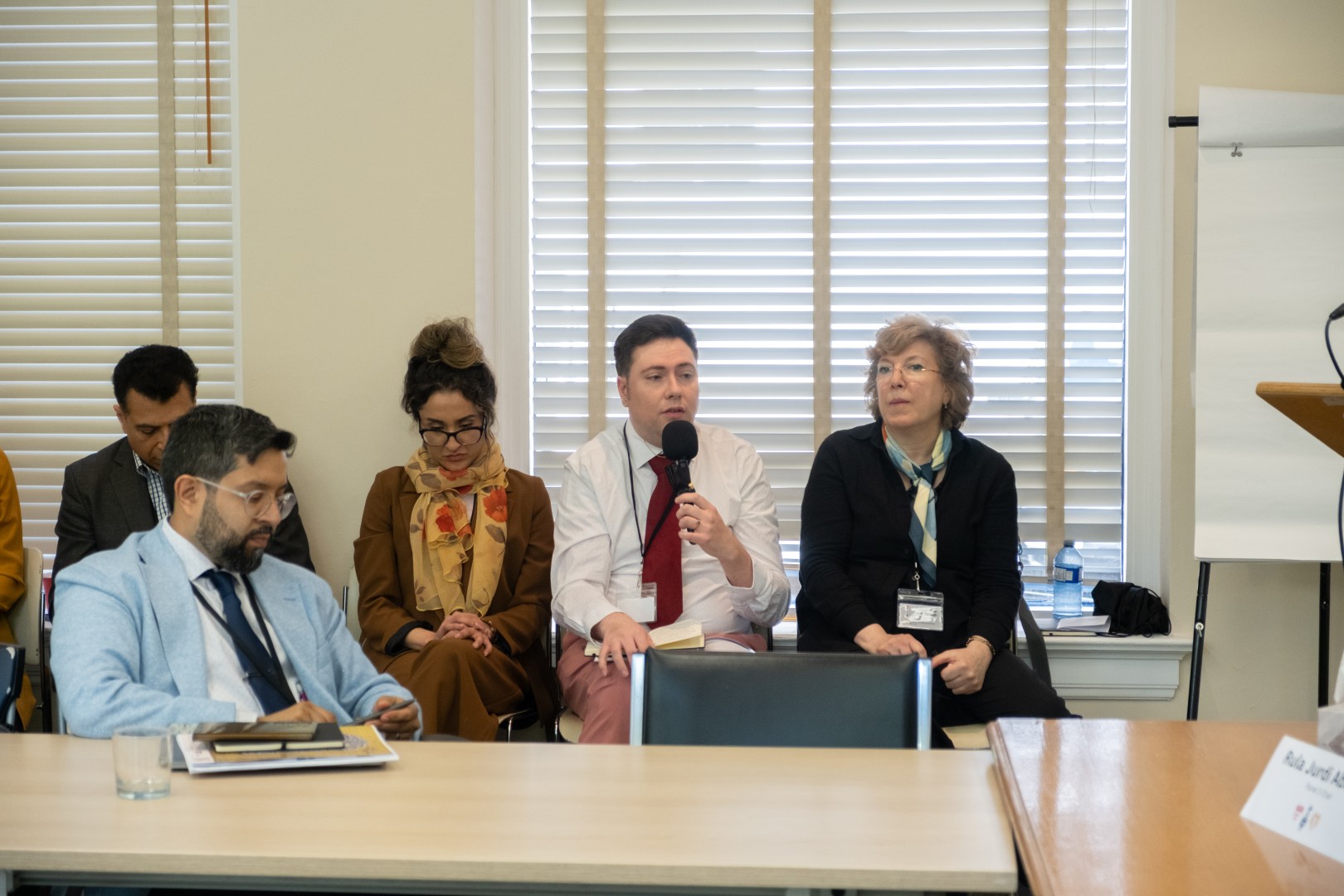
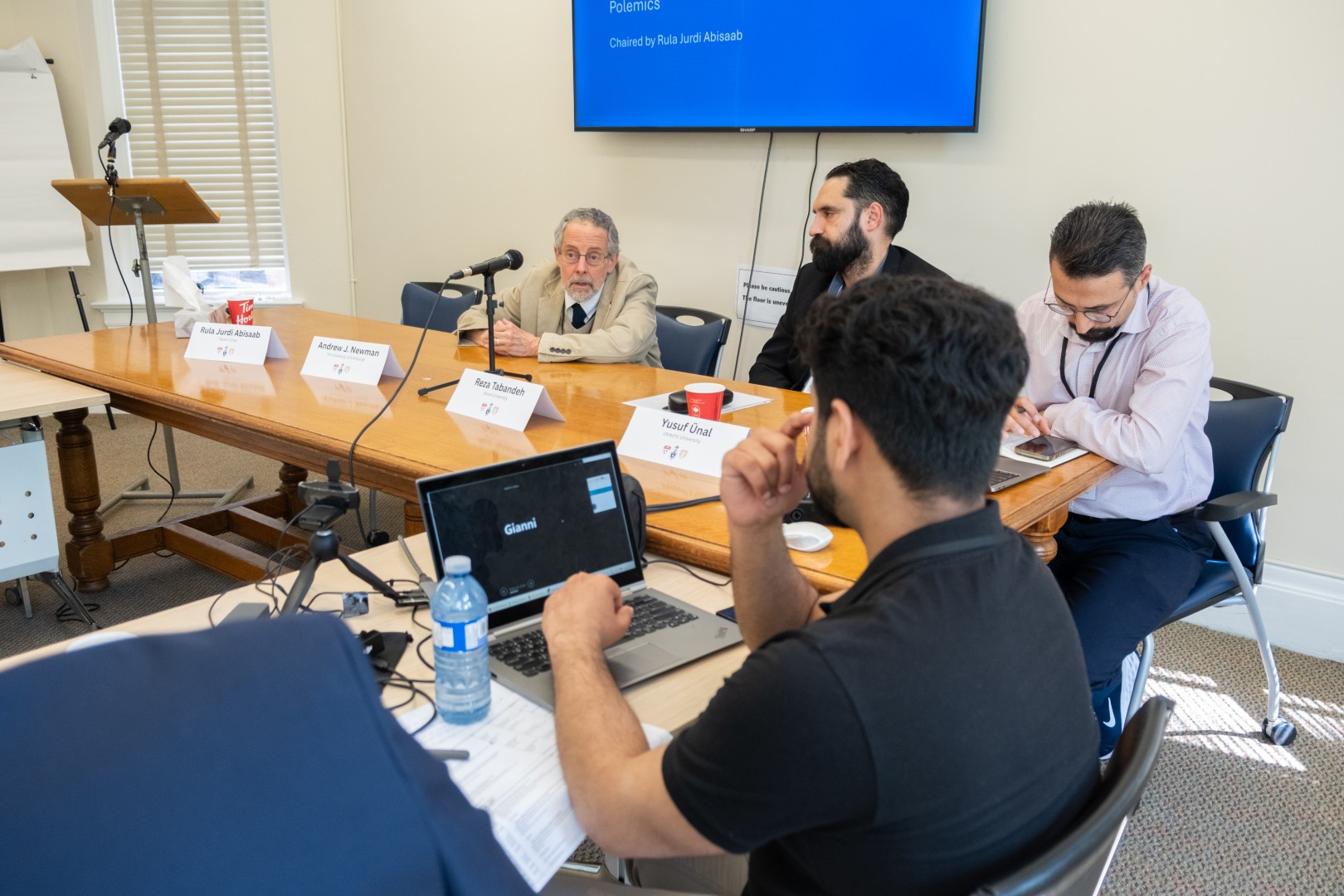
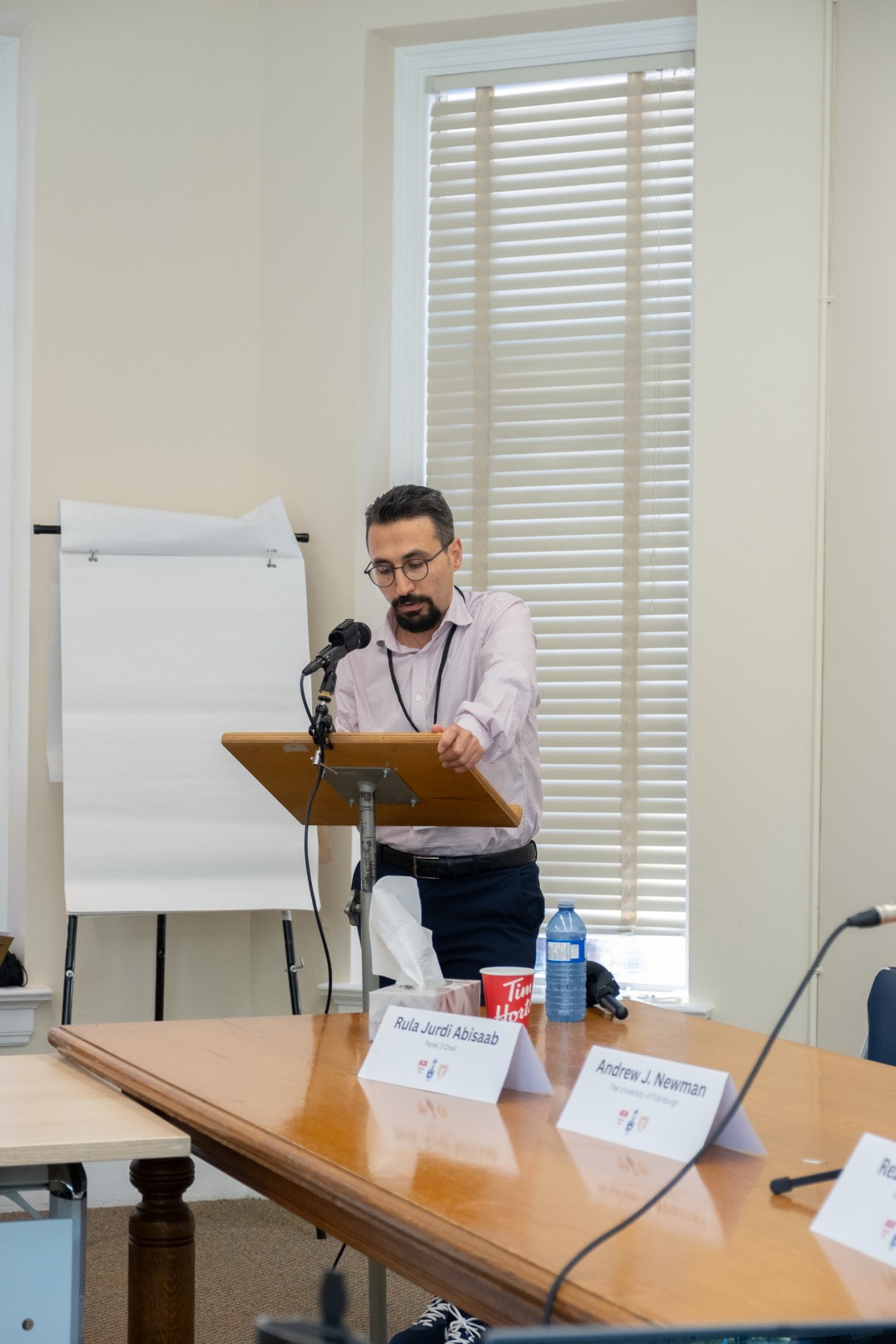
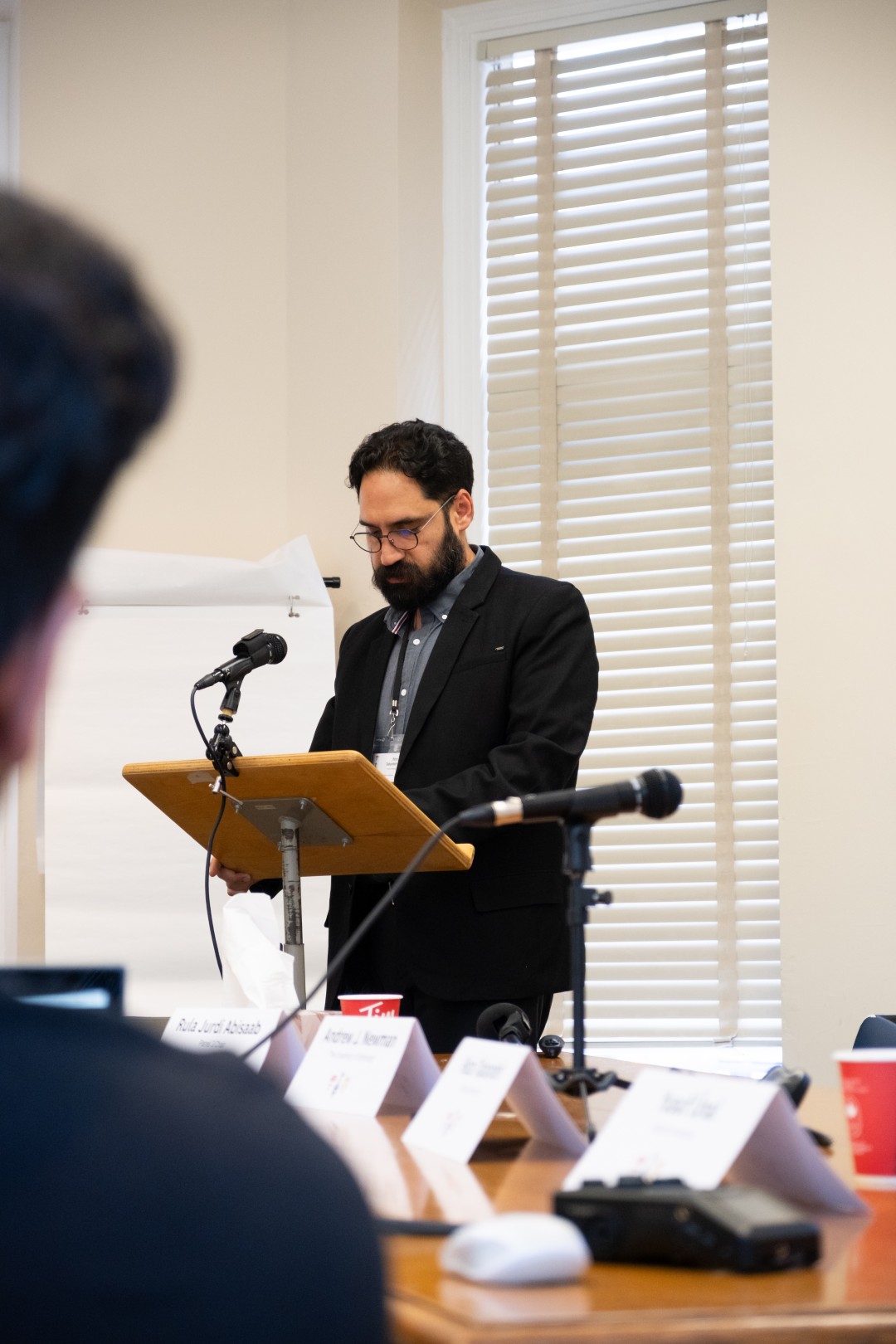
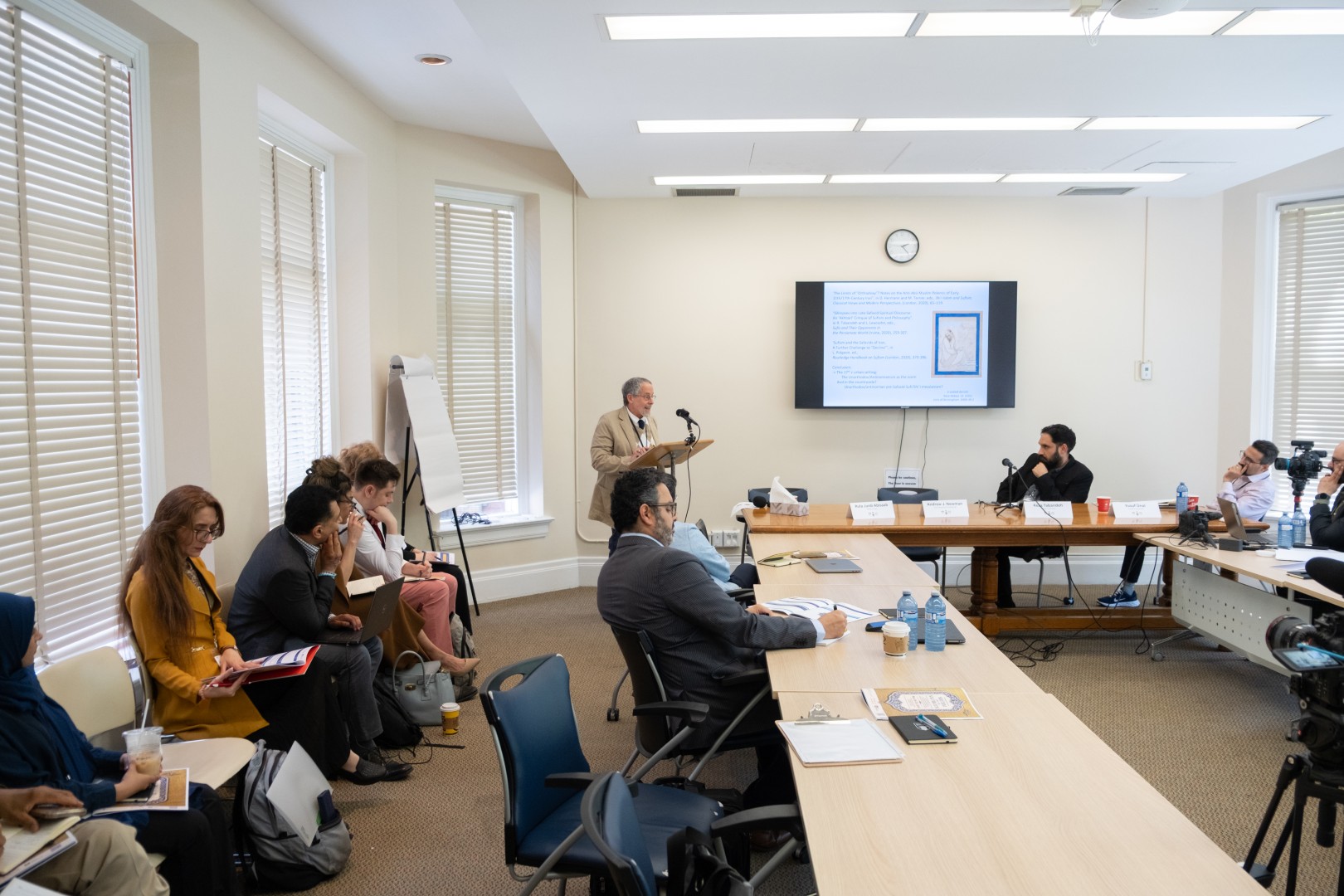
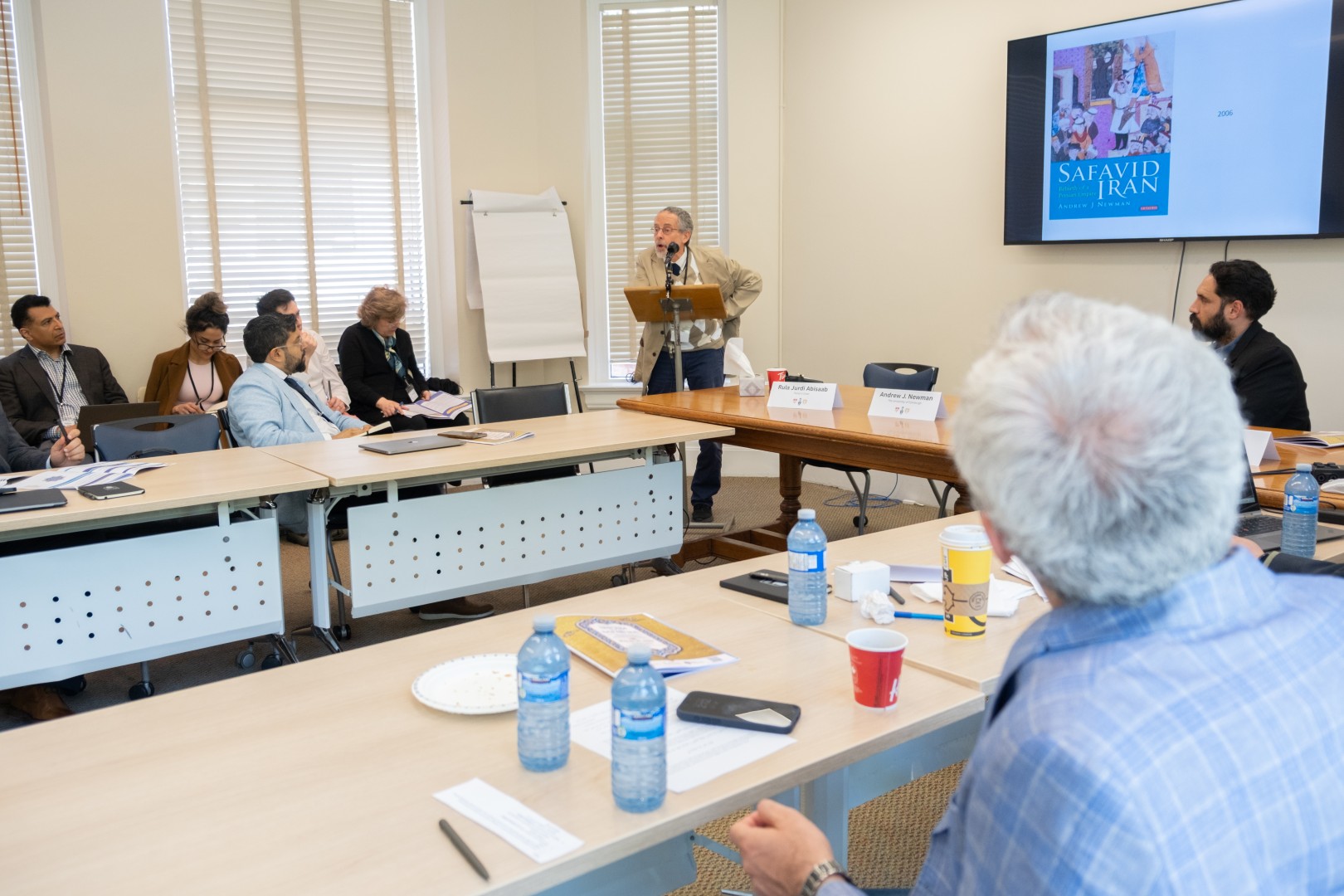
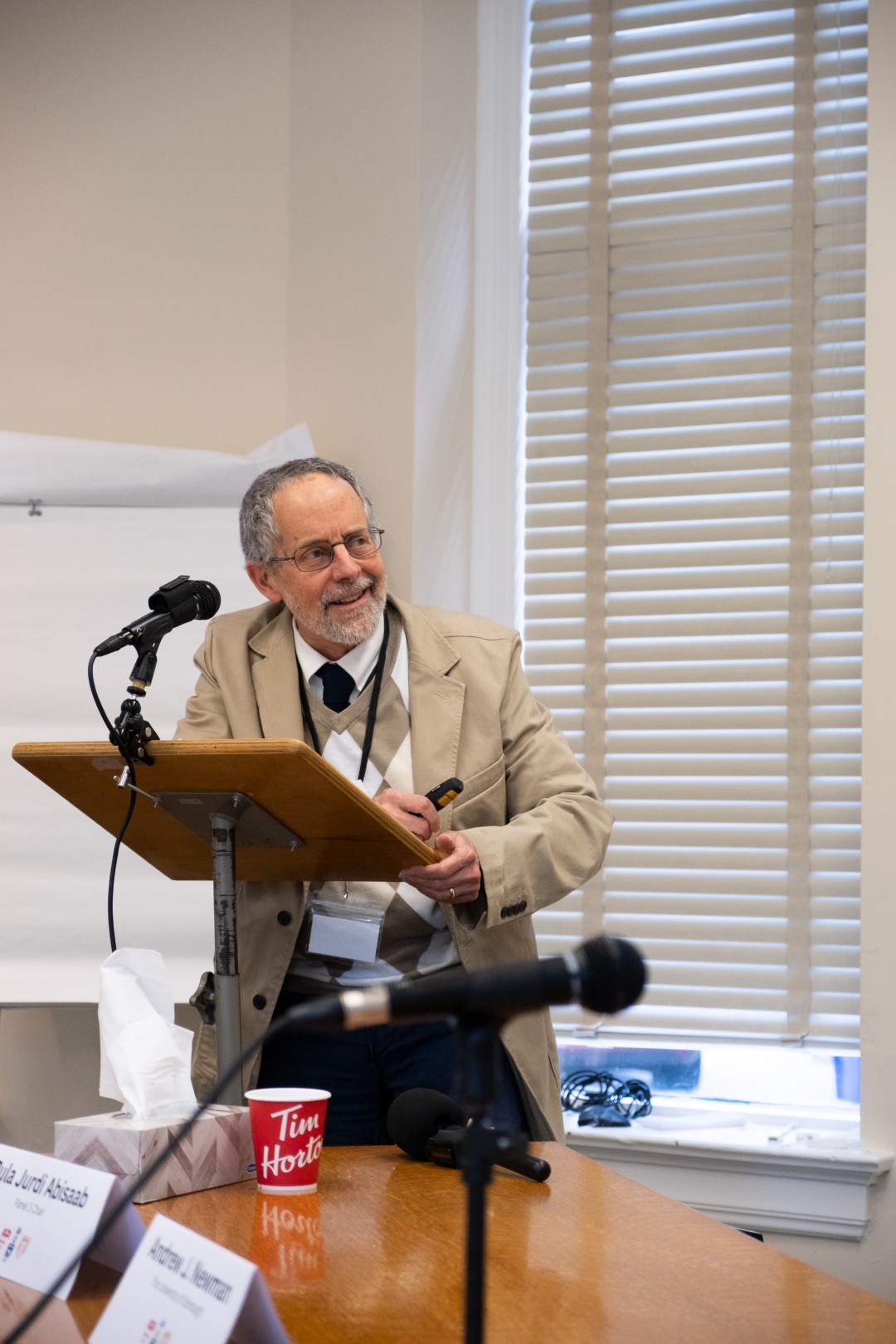
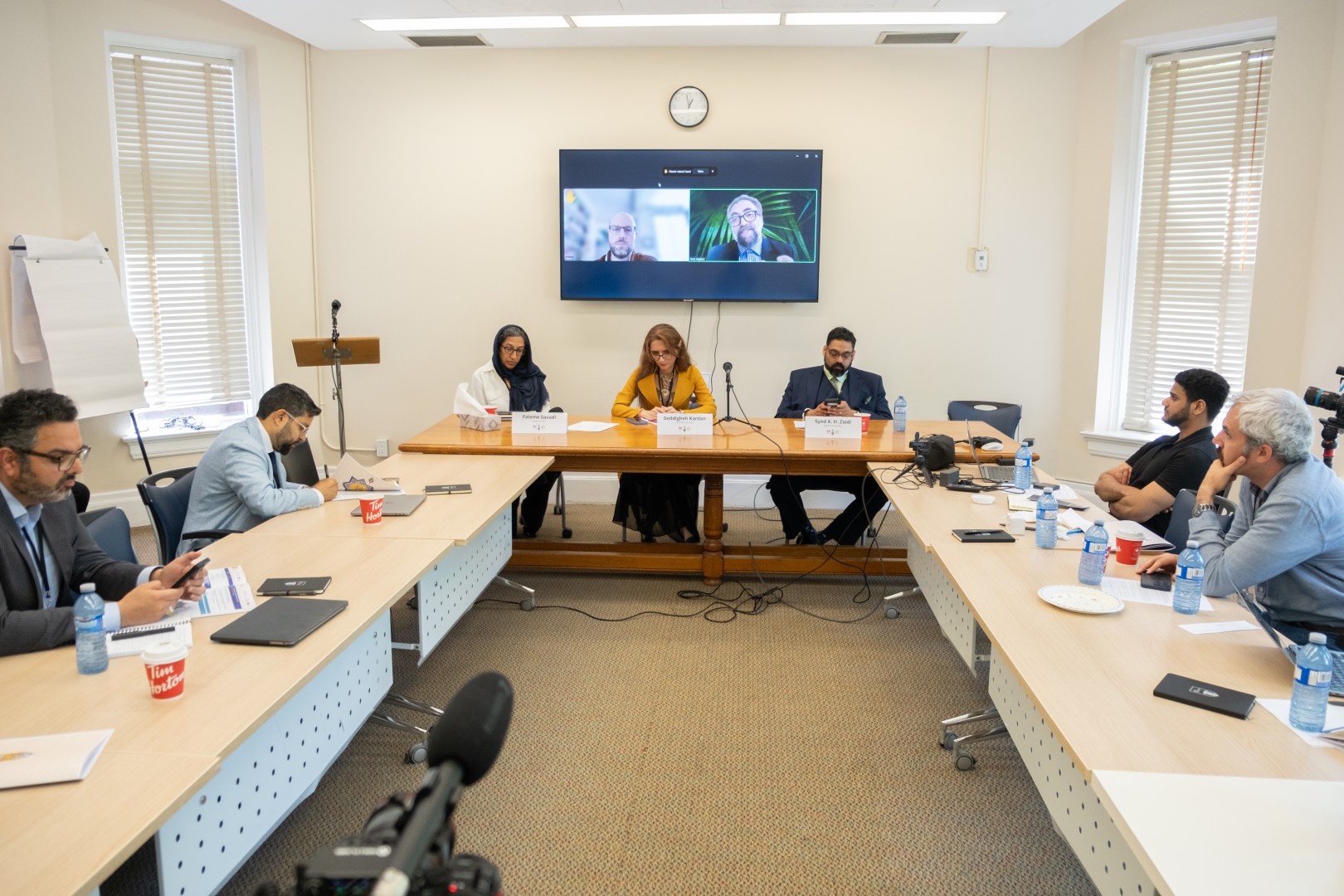
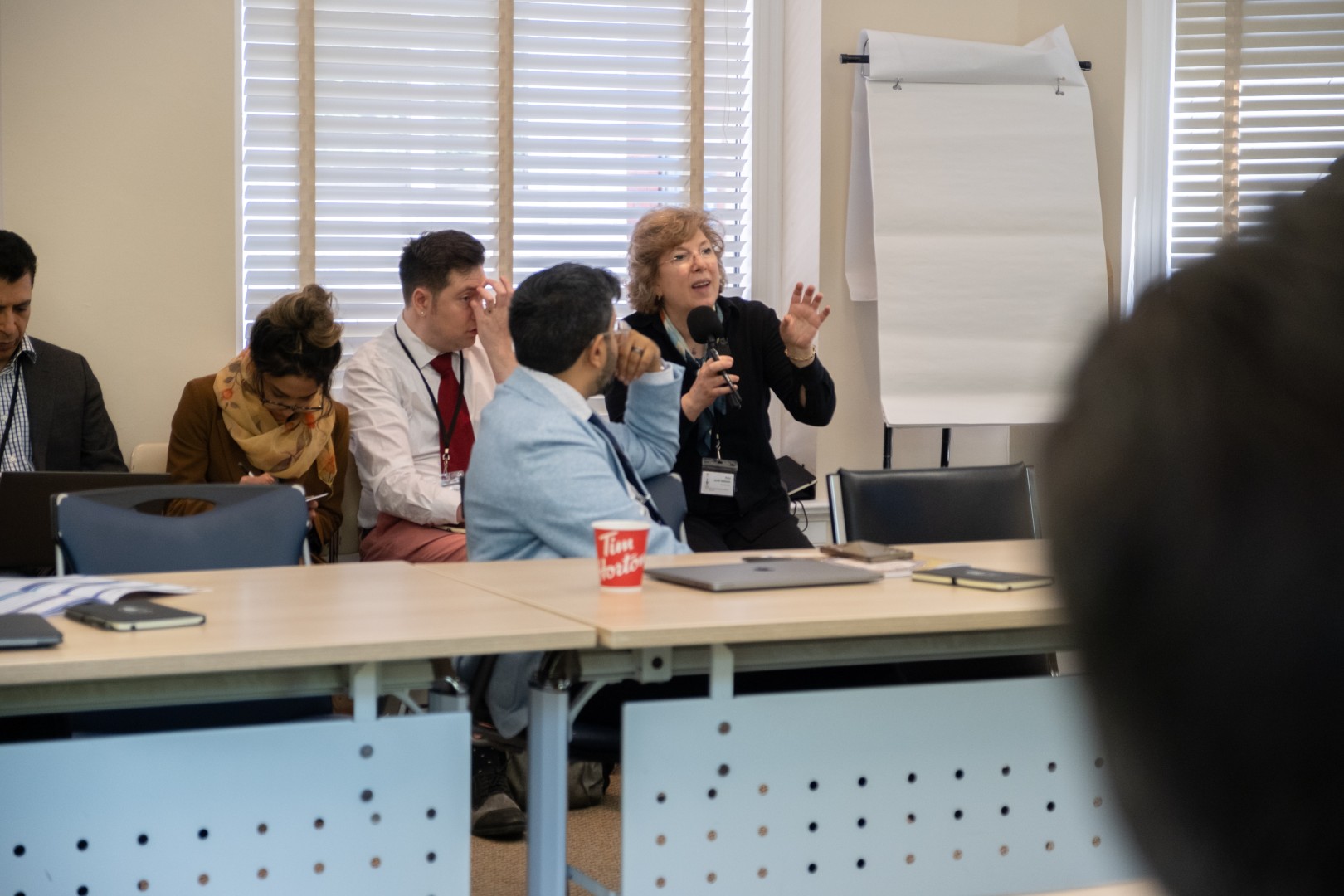
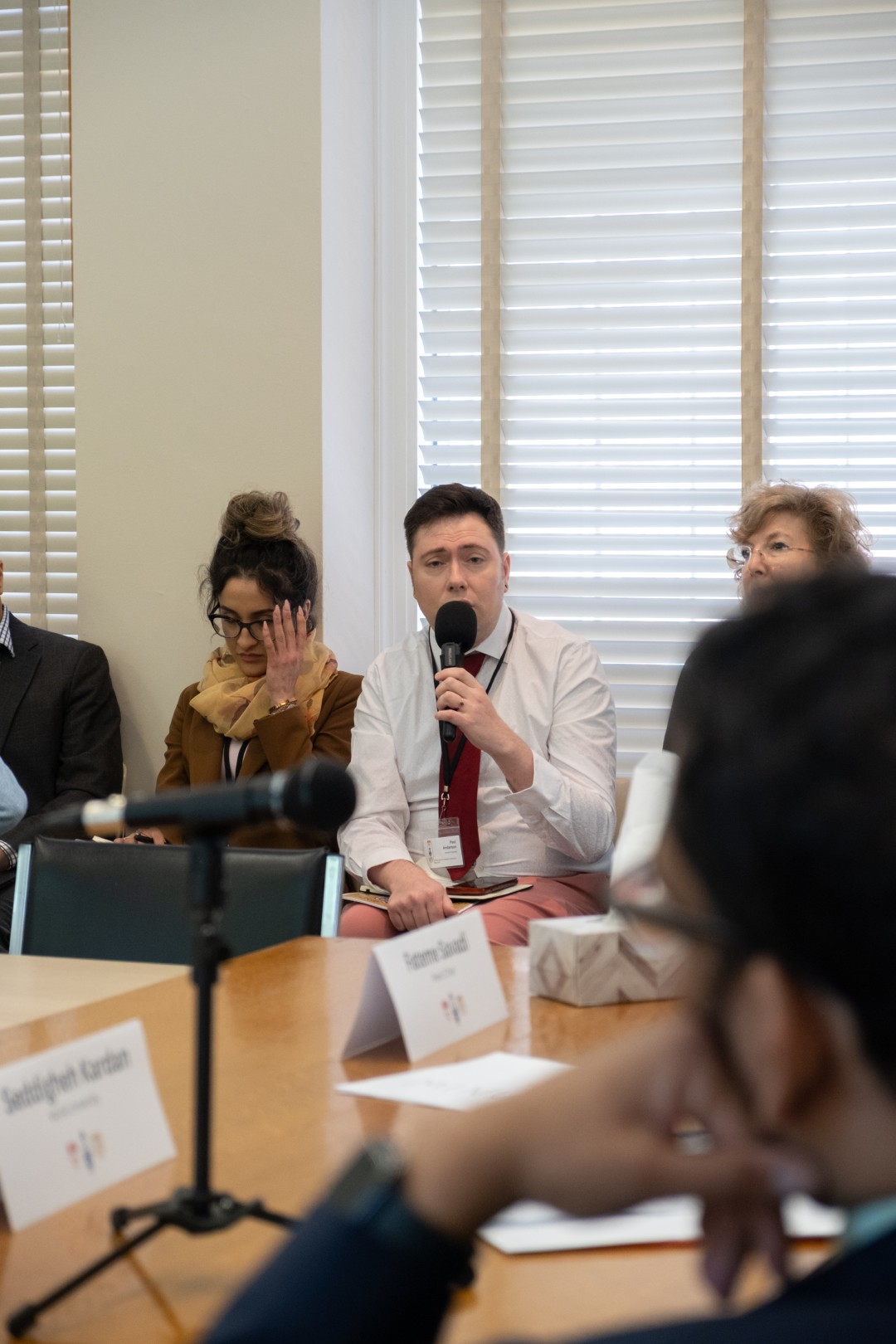
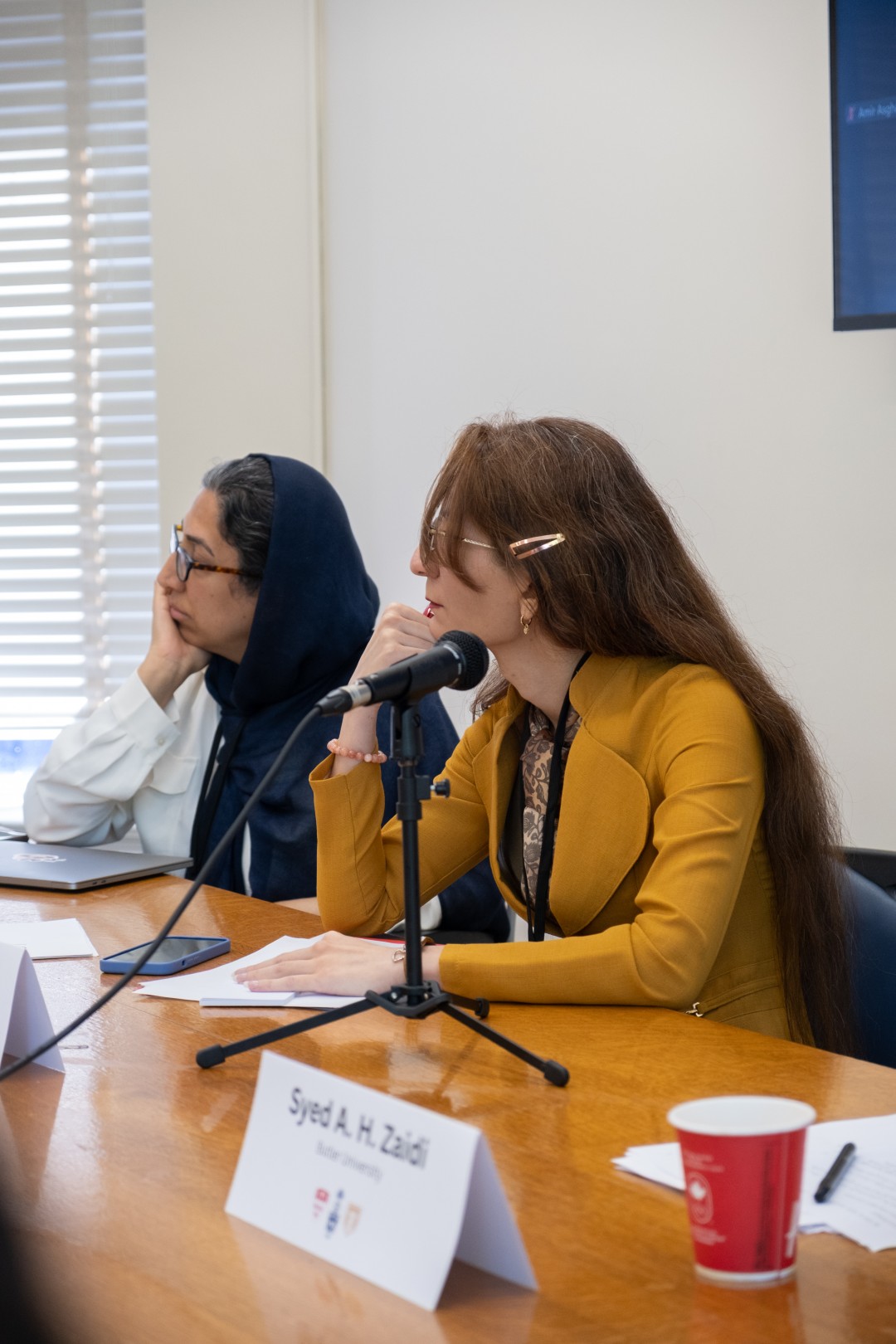
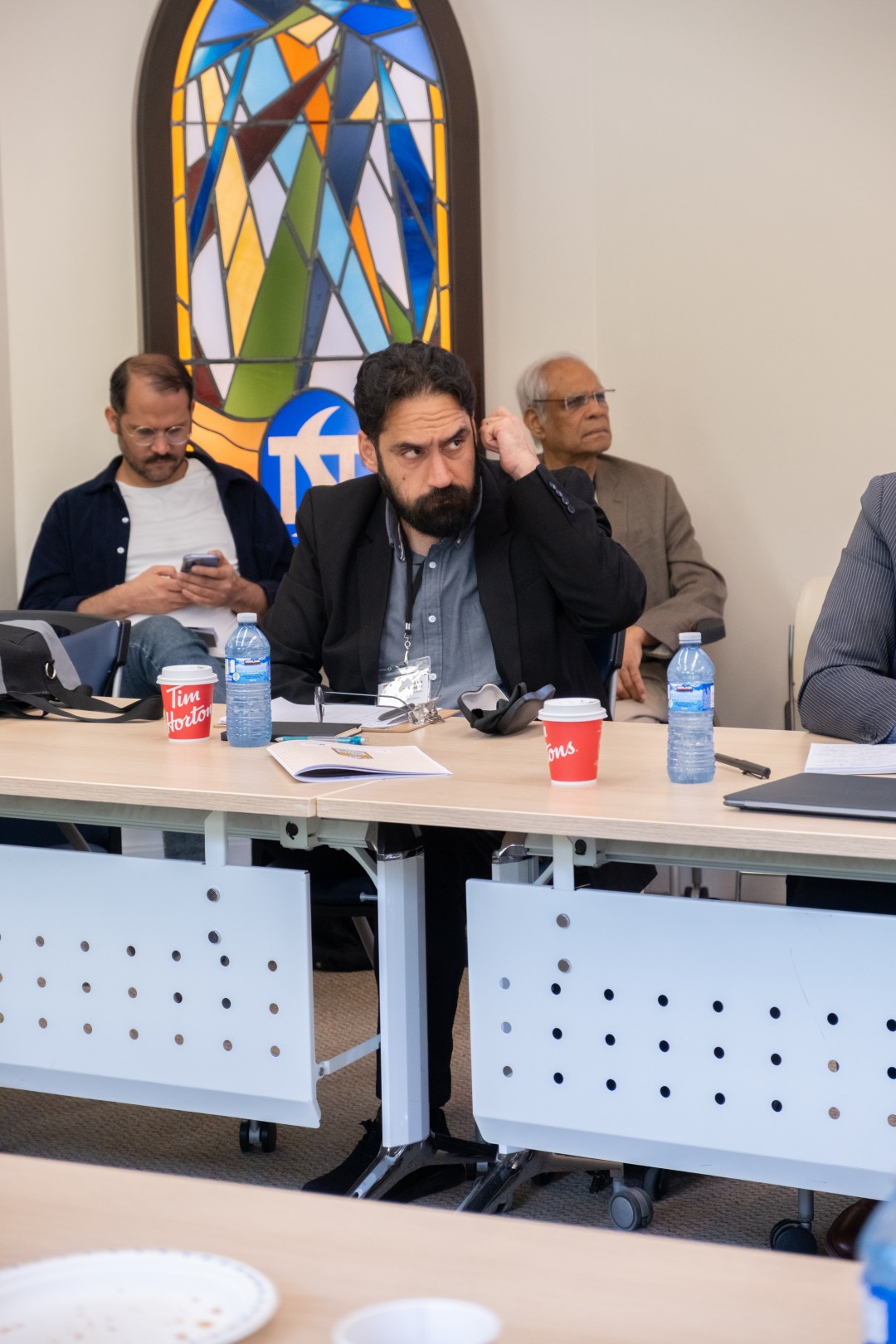
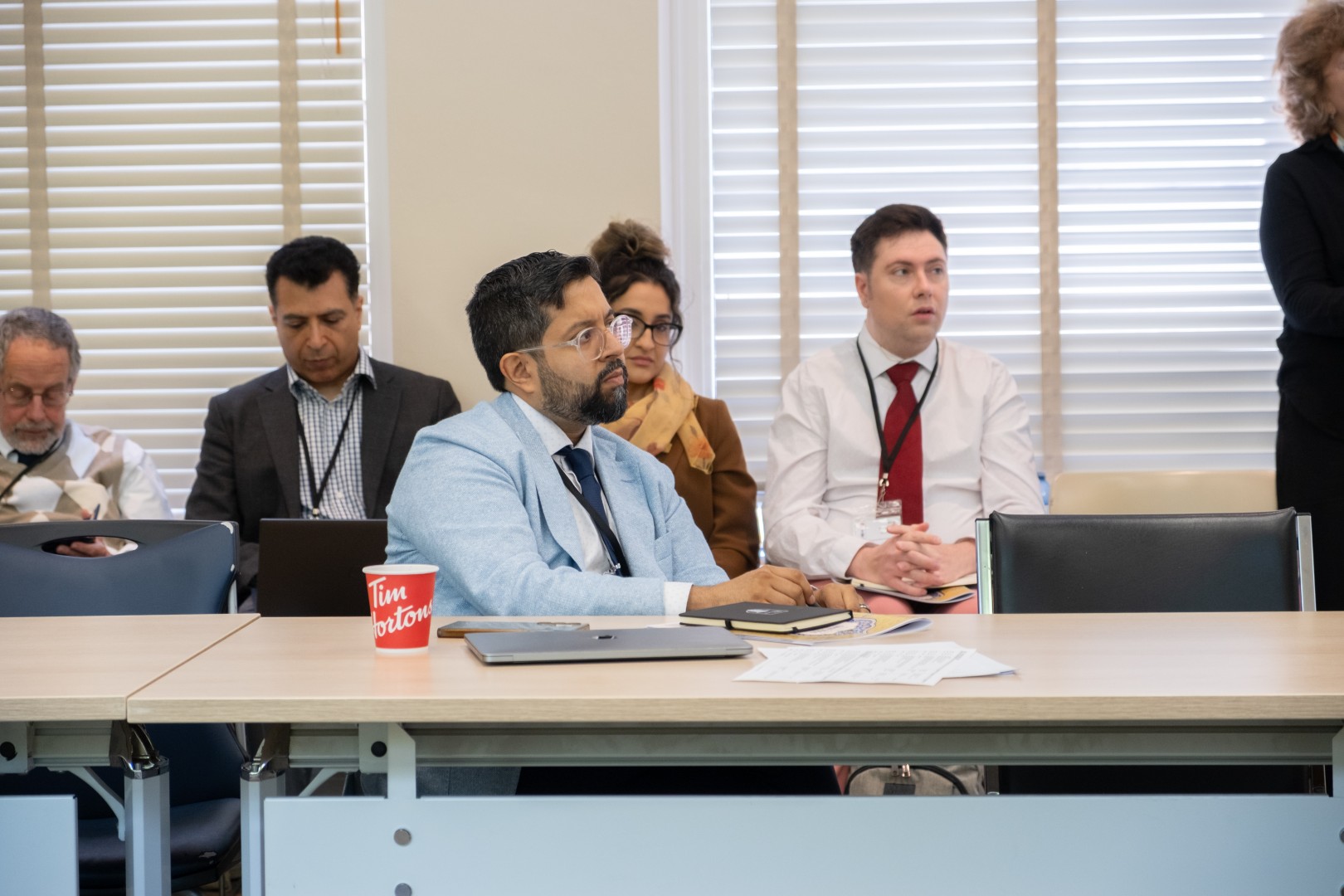
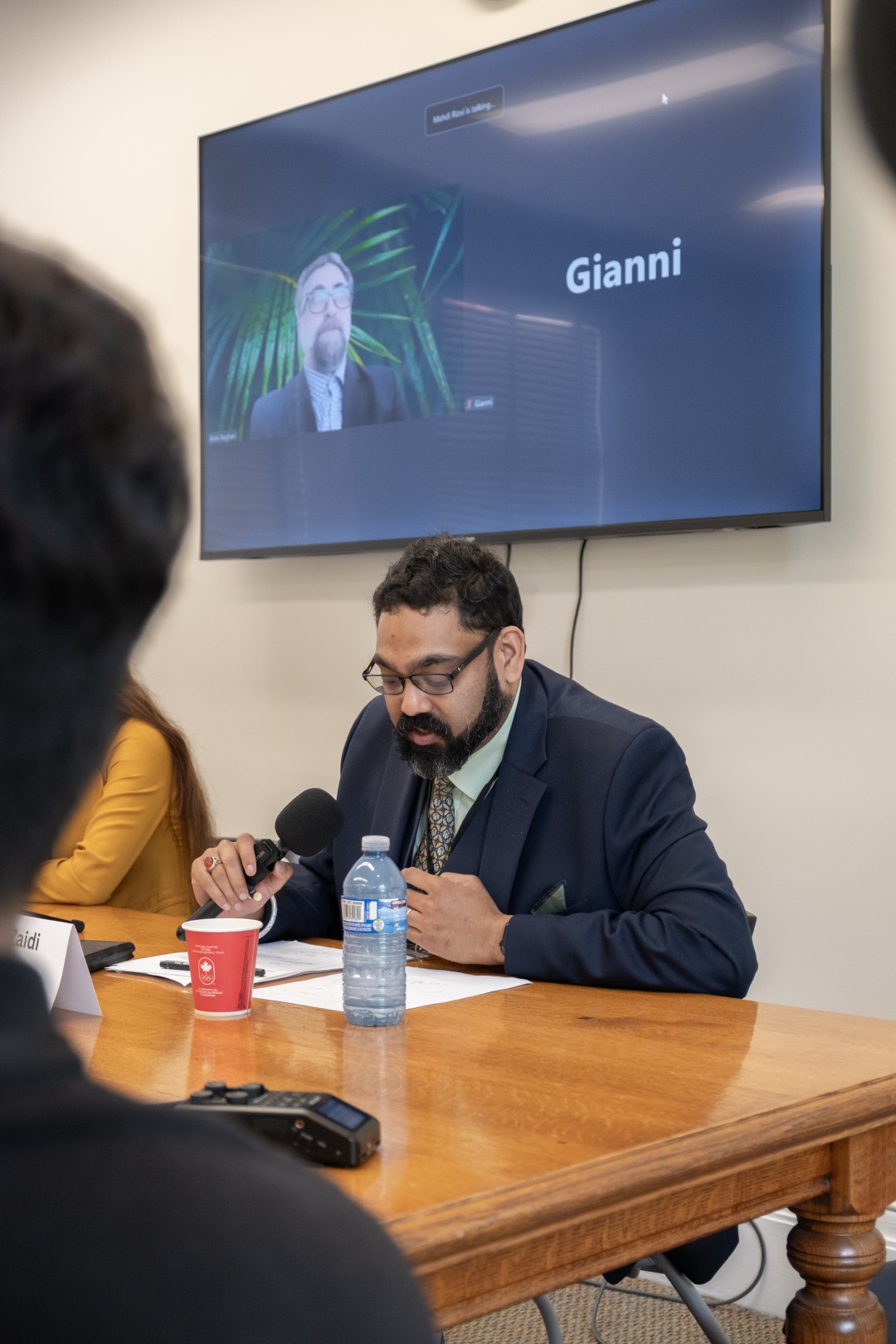
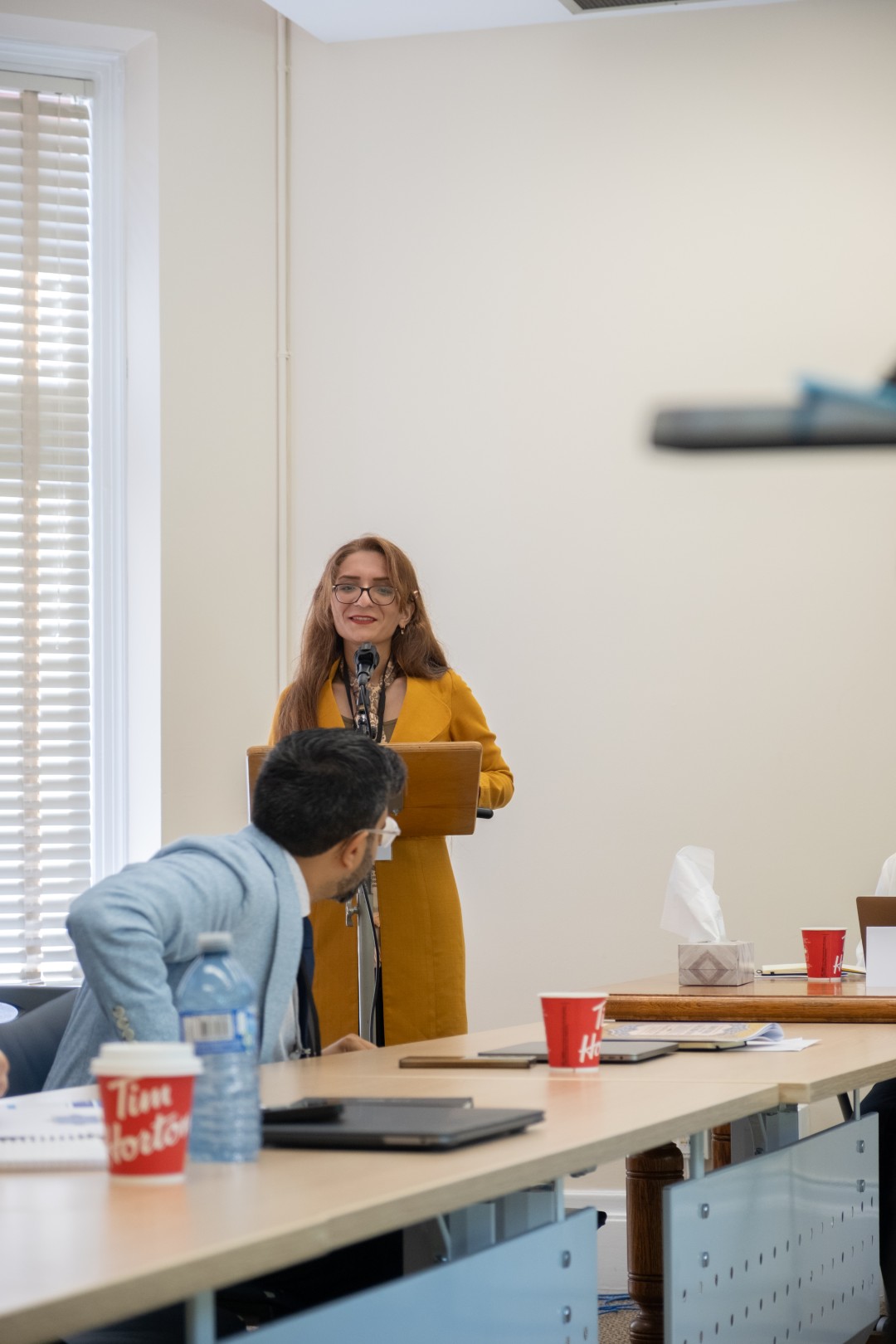
The Shiʿa Research Institute and the Historical Studies Department at the University of Toronto Mississauga, and the Institute of Islamic Studies at McGill University, are proud to have co-hosted a two-day international conference on "Shiʿism and the Safawids," held in Toronto, Canada, on May 28–29, 2026.
The conference convened scholars from around the world to explore the evolution of Shiʿi thought during the Safawid era—its formative developments, its theological and philosophical discourses, and its enduring impact. Together, we examined literary, artistic, and intellectual productions that illuminate Shiʿi theology, cosmology, conceptions of ultimate reality, principles of divine guidance, devotional practices, and lived expressions of faith.
Conference Presentations
15 Presentations · Two Days · Six Panels
Darren Dias serves as the Executive Director of the Toronto School of Theology and has been on the faculty of the University of St. Michael's College since 2008. He completed his doctoral dissertation under the supervision of Robert M. Doran on the contributions of Bernard Lonergan's Trinitarian theology to an understanding of religious diversity. His current areas of interest include post-colonial and liberation approaches to theology, including Christian relations with other religions, as well as method and hermeneutics.
This article examines Muḥammad Bāqir Majlisī's (d. 1110/1699) Kitāb al-Ikhtiyārāt as a source for reconstructing the popular socioreligious landscape of Safawid Iran. A persistent challenge in Safawid historiography is accessing the religious culture of ordinary believers. While the doctrinal and juridical debates of the learned elite are well documented, the practices of a predominantly rural, largely non-literate, and linguistically diverse population remain far less visible. Most subjects of the Safawid realm would not have engaged with the philosophical writings of figures like Mīr Dāmād, yet they maintained regionally varied rituals and forms of devotion. Composed in Persian, the Ikhtiyārāt reorients the established science of electing auspicious times, creating a Shiʿi alternative to earlier Hellenistic and Iranian-influenced astrological models that is grounded in Imami hadith. The text's proscriptive material provides evidence of the diverse customs of the Safawid laity that it sought to regulate. Its extensive catalogue of "actions causing poverty," for instance, spans economic offenses such as adulterating milk or short-selling grain, bodily habits like laughing in a cemetery or entering a latrine barefoot, and social practices such as keeping animals for sport or reciting non-renowned supplication. The denunciation of certain professions—from cuppers (ḥajjāmī) and storytellers to drummers and monkey-trainers—further reveals the clerical endeavor to define licit and illicit lifeways. By tracing which practices Majlisī censures as illegitimate or rooted in superstition, alongside the prayers and invocations he promotes as efficacious, this article clarifies how formalized religious practice was delineated in late Safawid Shiʿism. The Ikhtiyārāt may thus provide a critical resource for accessing the popular customs and heterodox beliefs that accompanied emerging Safawid orthodoxies.
I am a scholar of Islamic Studies specializing in devotional texts and ritual life. My research examines Arabic and Persian commentaries on supplication (duʿāʾ), the efficacy of prayer, and the ethical dimensions of Islamic practice. My PhD dissertation, Devotional Wisdom (University of Arizona, 2025), traced these currents across the early modern Persian plateau. I currently serve as Resident Scholar at the Seldon Institute in Chicago, where I develop public programs that explore the ethical, practical, and aesthetic dimensions of Islamic devotion in contemporary life.
This paper will examine one simple question: can an infallible (maʿṣūm) Imam repent for 'misdeeds' or 'sins' and if so, how is this to be understood? I will attempt to interrogate this question by examining and parsing a series of intellectual engagements with the above question by Safawid Twelver Shiʿi scholars who during this period produced a plethora of commentary literature on the sayings of the fourteen infallibles. A central part of this material is devotional literature and supplications. This paper will focus specifically on how Mullā Ṣadrā (d. 1641 CE), Muhammad Taqi al-Majlisi (d. 1660), Muḥammad Ṣāliḥ al-Māzandarānī (d. 1675 CE) and Muhammad Bāqir al-Majlisī (d. 1699 CE) have attempted to interpret the famous supplication of the seventh Imam, Musa b. Ja'far al-Kāẓim uttered during prostration of thanksgiving (sajdat al-shukr) in which he utters a series of confessions which included the statement: "I have disobeyed you with my tongue (aṣaytuka bi-lisānī)." When confronted with such devotional confessions, the Shiʿi Safawid theologians and traditionists have inherited an on-going Imāmī discourse while also in-turn producing an apologia with their own speculations all of which share the common goal of affirming their shared belief in the infallibility of the Imams. It is abundantly clear that this was a matter of paramount importance in which these scholars would employ the hermeneutics of language, theological principles, and mystical maxims all to reconcile the paradox of an infallible Imam who is deserving of unquestionable obedience (ṭāʿā) while also manifesting confessions of their own alleged disobedience to God as evidenced in their supplications. How can these two states be reconciled? This paper will assert that the literature produced by these Safawid scholars on this subject indicate that supplication literature was a site of active and multi-vocal scholastic speculations deployed in this case to uncover the 'true' meaning of such devotional expressions as an attempt to further understanding doctrine of infallibility and the humanity of the infallible as a slave (ʿabd) of God.
Vinay Khetia is the academic director of the Shia Research Institute located at the Toronto School of Theology in the University of Toronto. He has a PhD in Religious Studies from McMaster University and an MA in History and Philosophy of Religion from Concordia University. He has published in the areas of Islamic law, Quranic exegesis, and Islamic theology. His areas of interest lie in Islamic intellectual history with a focus on Twelver Shiʿism, and the vast corpus of liturgical material. He has previously taught as a lecturer at McMaster University and is currently teaching at The University of Toronto. He has a forthcoming monograph entitled Prayer and Devotion in Shīʿī Islam: An Insight into its Historical and Spiritual Legacy with Brill in the Islamic History and Civilization Series.
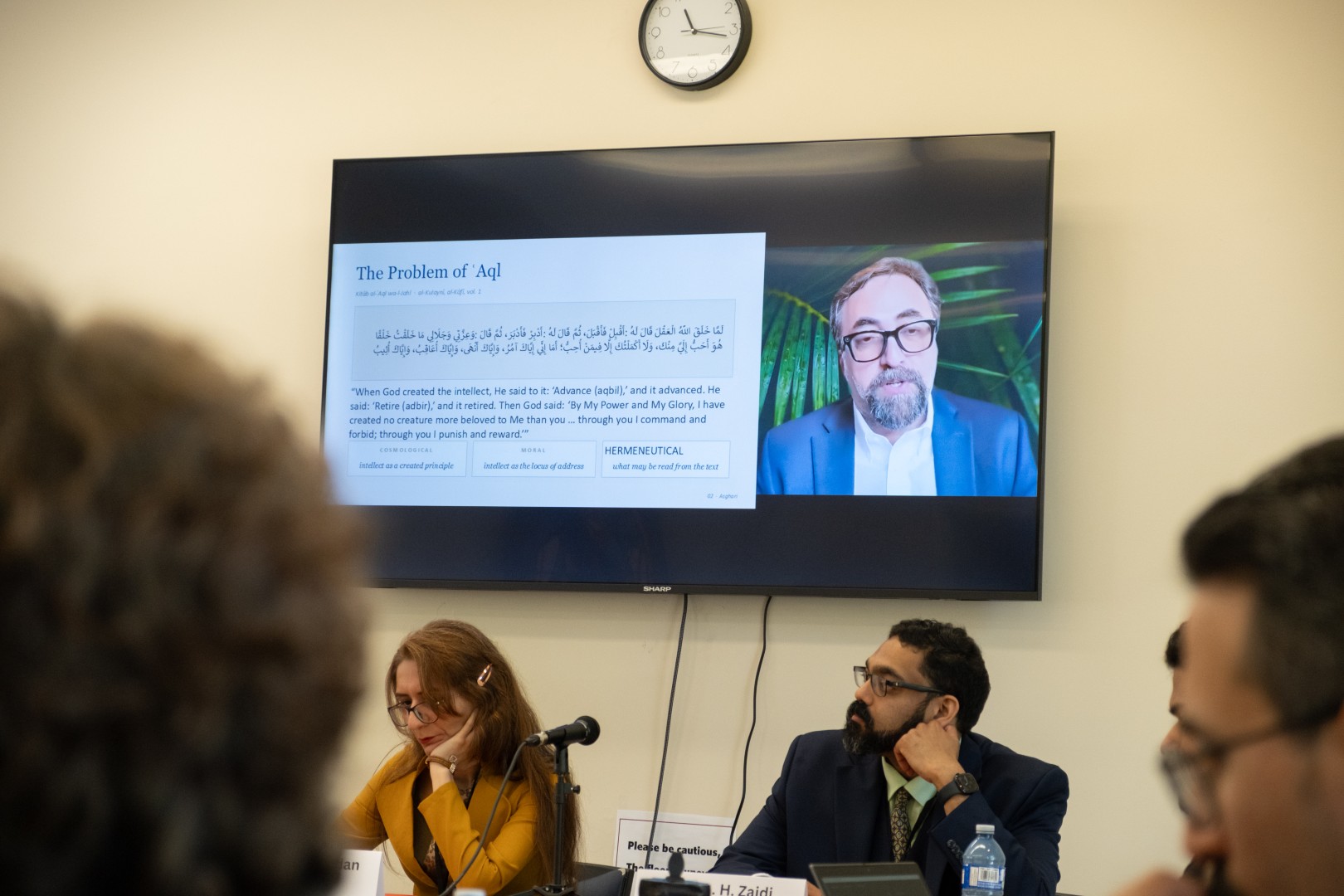
This paper explores the theologies of intellect developed during the Safawid era, focusing on Mullā Ṣadrā's (d. 1050/1640) commentary on the Book of Intellect and Ignorance in al-Kulaynī's Uṣūl al-Kāfī and the subsequent interpretation by Muḥammad Bāqir al-Majlisī (d. 1110/1699) in Mirʾāt al-ʿUqūl. The study demonstrates how Ṣadrā transforms the well-known ḥadīth "When God Created Intellect…" into a metaphysical exposition of the First Intellect and the Muḥammadan Reality. In his approach, Ṣadrā integrates Imāmī traditions within a graded ontology of existence (tashkīk al-wujūd) and a Neoplatonic and Akbarian framework of descent and ascent, portraying ʿaql as more than a human faculty; it becomes a luminous, cosmic principle foundational to prophecy, walāya, and the soul's ultimate return. Consequently, Kitāb al-ʿAql wa-l-Jahl is interpreted as a map of creation, knowledge, and salvation, articulated through Illuminationist and Akbarian concepts of intellect as light and as the "inner divine proof."
The paper then contrasts this philosophical and mystical understanding with Majlisī's explicitly anti-philosophical and Akhbārī-leaning interpretation in Mirʾāt al-ʿUqūl. Here, ʿaql is redefined as obedience, doctrinal assent, and moral accountability. Metaphysical language about the First Intellect, Light, or Pen is viewed with suspicion and considered a potentially dangerous foreign influence. In Majlisī's hermeneutic, efforts to reconcile philosophical-Sufi cosmology with Imāmī ḥadīth are seen as threats to core religious principles, necessitating that reason always remain subordinate to transmitted reports.
By examining Ṣadrā and Majlisī side by side, the paper reconstructs the Safawid-era debate over the "inner proof of reason," asking whether ʿaql is an unveiling that penetrates the inner dimension (bāṭin) of revelation or a limited faculty confined to the outward (ẓāhir) meaning of scripture. This analysis sheds light on broader questions of revealment and concealment, the relationship between Shiʿism and Sufism, and the emergence of a distinct Safawid Shiʿi theology rooted in hadith commentary. Additionally, the discussion raises enduring questions about the nature of intellect and the relationship between inner cognitive illumination and external authority.
SeyedAmirHossein Asghari is Affiliated Researcher at the Center for Possible Minds and Senior Fellow at the Center for the Study of the Middle East, Indiana University Bloomington. Trained in Middle Eastern Studies and traditional Islamic learning, his work focuses on Sufism and Shiʿi thought, Qurʾanic hermeneutics, and fiṭra in Islamic accounts of natural law. At the Center for Possible Minds, he explores mind, intellect, and consciousness through Islamic and Sufi perspectives on cognition and AI. He is the author of Sufism and Philosophy in the Contemporary Shia Seminary (Bloomsbury, 2025) and a forthcoming monograph on Han Kitab, Sufism, and philosophy in China.
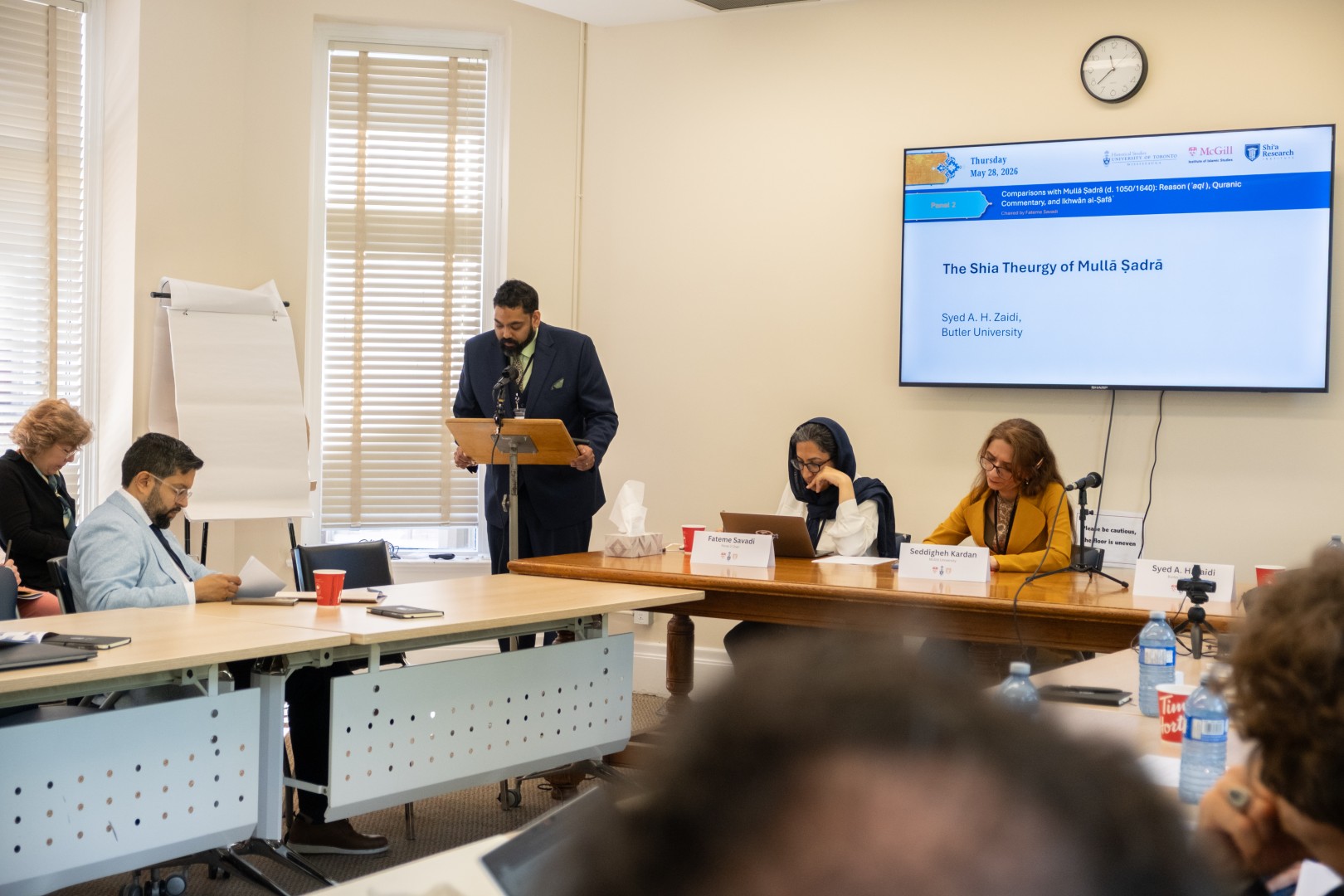
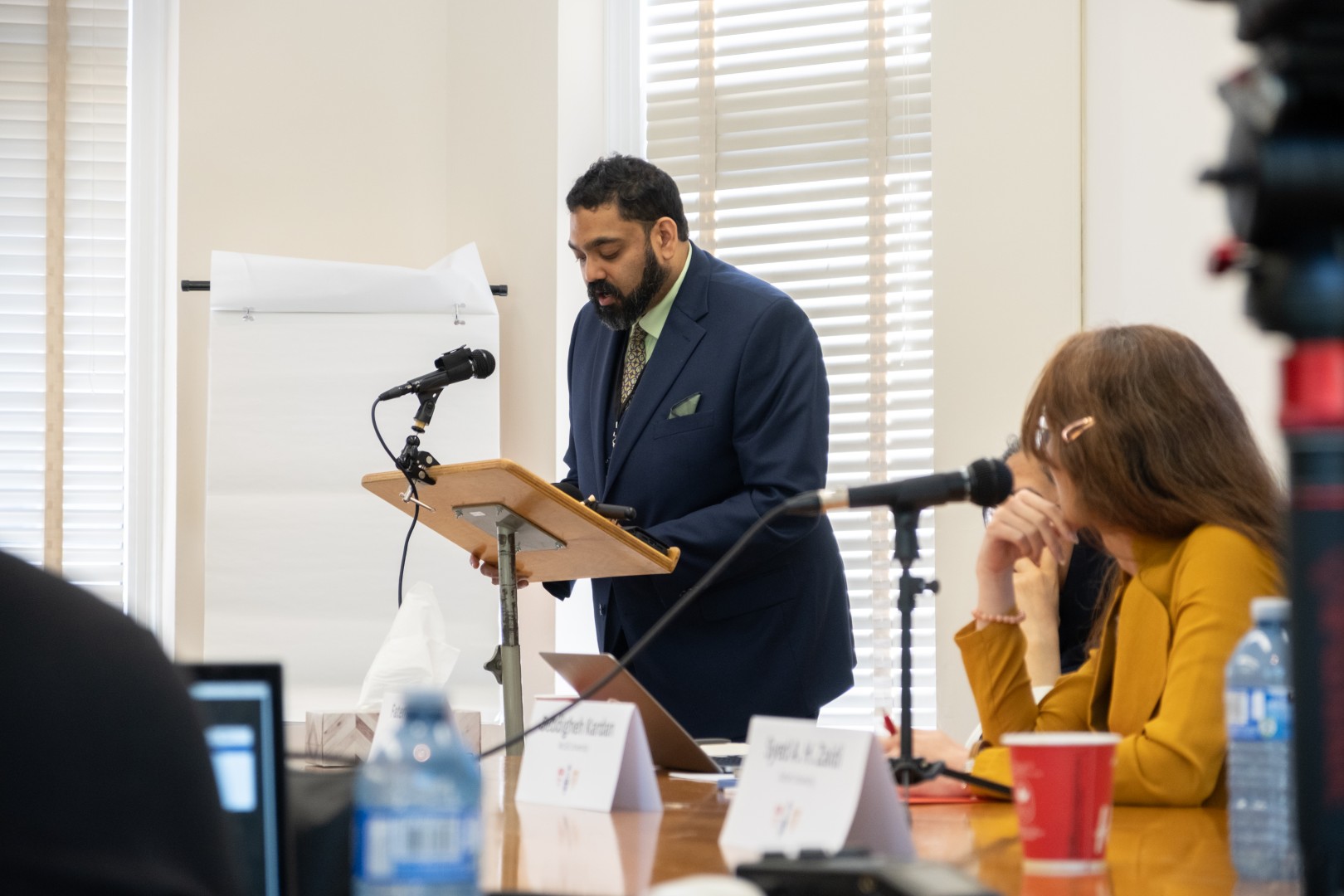
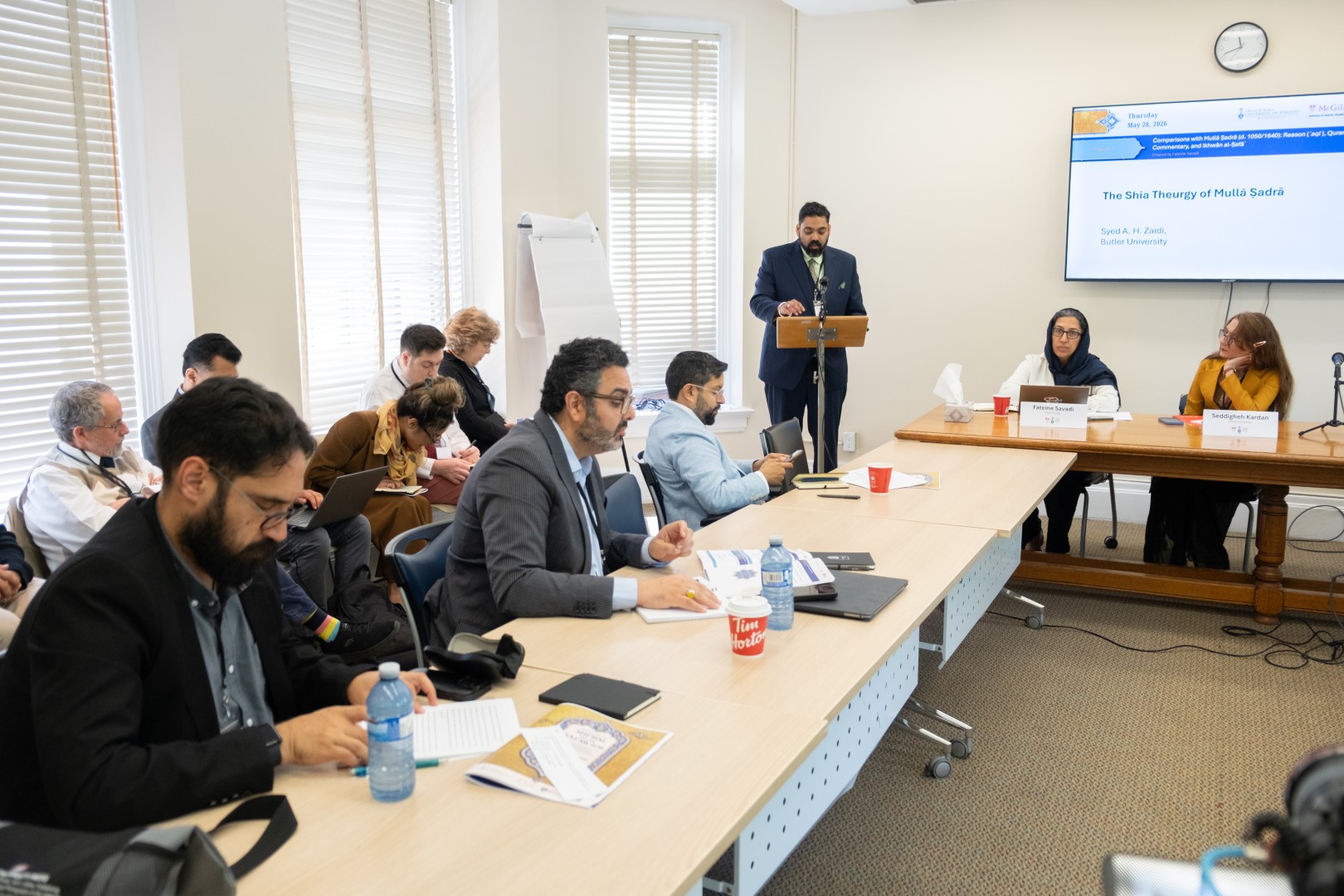
One of the most important sentences used in the introduction to his works of the important Safawid Muslim Philosopher, Mullā Ṣadrā (d. 1640), is "Know Oh brother, May God provide you and us with a spirit from Him" (Iʿlam yā akhī ayyadaka Allāh wa-iyyānā bi-rūḥ minhu). This line is a direct reflection of his deep respect for Ibn ʿArabī (d. 1240), who used to use this line throughout his works as well. For example, in his Bezels of Wisdom (Fuṣūṣ al-Ḥikam), Ibn ʿArabī writes "Know, may God provide you with a spirit that comes from Him," in the introduction to his chapter on the Prophet Noah. This line was, in turn, taken from the ninth-century Shīʿa Muslim Basran Neoplatonic group known as the Brethren of Purity (Ikhwān al-Ṣāfāʾ). This introductory line remains one of the most important cornerstones of Shīʾite theology, which was influential across Sufism and Shīʾism. Aside from the historical importance of this sentence, this paper argues that Mullā Ṣadrā endorsed the Brethren's theurgic view that the Family of the Prophet Muhammad, and their companions, are spiritual supporters of those who seek knowledge and practice the highest forms of religion and spirituality. This philosophical approach to spirituality ultimately derives from Iamblichus (d. 325), who establishes a hierarchy of ontological realities that the philosopher and sage can invoke for help. The mention of "spirit" (rūḥ) in this line indicates that the realities of these figures continue to serve as poles (aqṭāb) of the world and the scholars who seek the reality of God. This paper demonstrates how Mullā Ṣadrā was a chief expositor of Iamblichan Theurgy as transmitted in the Shīʿa tradition through the Brethren of Purity.
Syed A. H. Zaidi, PhD, Emory University (2023) is the Director of the Muslim Studies Endowment and Core Lecturer in Islamic Studies at Butler University's Philosophy & Religious Studies Department. In his previous life, he worked as an IT Specialist for Apple. He later took on a political career where he worked for almost every major NY politician between 2008 and 2012, including the founder of the Congressional Black Caucus and author of the Obamacare Healthcare Bill, Congressman Charles B. Rangel. He has published several book reviews and articles in the Journal of Iranian Studies, the Journal of Islamic and Muslim Studies, the Kronos Philosophical Journal, and a chapter in A Guide to Sufi Literature. He is currently working on five monographs: the first on the philosophy of the Brethren of Purity (Ikhwān al-Safāʾ), the second on the history of Hermetic thought from the late antique period to the tenth century. He has organized several panels on Shīʾism, Islamic Neoplatonism, and Esoteric Thought at the American Academy of Religion (AAR) and is in the process of creating a Shīʾite Studies Unit at the AAR. He has presented his findings over twenty times at venues such as Oxford University, the Middle East Studies Association (MESA), the International Qur'anic Studies Association (IQSA), The British Association for Islamic Studies (BRAIS), the American Academy of Religion, and other major international conferences. He also works extensively on the Theology of Aristotle, the works of Ibn Sīnā, and Mīr Dāmād's philosophy. He obtained an MA (2016) in Islamic Studies from the George Washington University, Washington, DC, and a BA (2012) in International Relations from Hobart and William Smith Colleges, Geneva, New York.
Separated by five centuries of intellectual upheaval, two giants of Islamic thought—the 12th-century luminary Shahrastānī and the 17th-century sage Mullā Ṣadrā—converged upon a single, profound mystery: the hidden depths of Sūrat al-Fātiḥa. Drawing on Shahrastānī's Mafātīḥ al-asrār wa maṣābīḥ al-abrār and Mullā Ṣadrā's Tafsīr Sūrat al-fātiḥa, this paper argues that their divergent readings are not merely personal, but are emblematic of the evolution of Shiʿi hermeneutics across different political and theological epochs.
The research situates this comparative encounter at two pivotal poles of Shiʿi history. Shahrastānī represents a milieu where Shiʿi commitments necessitated concealment, yet his work offers a profound early example of esoteric synthesis. In contrast, Mullā Ṣadrā emerged during the Ṣafavi era, a period when Shiʿi thought could be articulated with unprecedented philosophical and public clarity. Despite these differing contexts, both thinkers shared a singular conviction that to understand this opening chapter of the Quran was to grasp the quintessential summary of the human journey from Origin (mabdaʾ) to Return (maʿād).
This study highlights two distinct hermeneutical strategies: Shahrastānī employs a rigid lattice of hermeneutical complementarities grounded in an Ismaʿili-based framework, seeking to restore the Quranic word to its meta-historical Origin by relying on the pedagogical authority of the Imāms as the sole "people of remembrance" (ahl al-dhikr). In contrast, Mullā Ṣadrā's approach is ontological; he identifies the Quran with the very structure of Being (wujūd). For Ṣadrā, the Fātiḥa is a theophanic unfolding of God's Self-praise via the Breath of the All-Merciful (nafas al raḥmān), culminating in a universal soteriology where mercy ultimately triumphs over accidental wrath. A particular focus is placed on their distinct explications of the "Straight Path" (ṣirāṭ almustaqīm): whereas Shahrastānī views it through the lens of initiatory rank and the teacher-led hierarchy, Ṣadrā identifies the path with the substantial motion of the human soul in its ascent toward divine perfection.
By juxtaposing these two monumental works, this research sheds light on the evolution of philosophical tafsīr and the enduring quest to harmonize reason, revelation, and mystical intuition in Islamic, and specifically Shiʿi, intellectual history.
Seddigheh Kardan is a PhD candidate in Islamic Studies at McGill University. She holds a B.A. in Persian Language and Literature and M.A. in Religions and Mysticism from the University of Tehran, Iran. Subsequently, she earned a second M.A. in Muslim Cultures from the Institute for the Study of Muslim Civilizations (ISMC), Aga Khan University, London. Her research interests encompass Ismaʿili and Twelver Shiʿism, Quranic studies, mysticism, Islamic philosophy and intellectual history, and Muslim literatures in Persian, Arabic and South Asian languages. Concurrently, she contributes to Professor Shafique N. Virani's scholarship at the University of Toronto as his research assistant and translator, beside her teaching assistant position at McGill and fellowship at the Institute of Ismaili Studies, London.
The legitimacy of the Friday congregational prayer during the absence of an Imam and the matter of who should lead it, has been a matter of disputation in Twelver Shiʿism from early in its history as a distinctive branch of belief and practice. In his magnum opus al-Dharī`ā ilā Ṭasānīf al-Shī`a, the famous Twelver bibliographer Agha Bozorg Tehrani (d. 1970) records some 100 individual treatises on the subject. This is to say nothing of the many references to the subject in works of fiqh/furū`, collections of hadith, and other texts, this commensurate with the development/expansion of the Twelver Shiʿi religious sciences from the onset of the occultation of the Twelfth Imam in the 870s.
In Safawid Iran — whose conventional 'political' dates are given as 1501–1722, or 1736 — when the faith finally found a home, the permissibility of the prayer was also contentious. In the 17th century, clerical debates on the prayer's performance occurred against the background of debates on other matters of doctrine and practice as well as the (re-)appearance of the Akhbārī madhhab and its challenge to the Uṣūlī discourse. Positions on the legitimacy of the prayer transcended the Akhbārī/Uṣūlī 'divide'.
The present paper will briefly review the evolution of discussions on the issue in the primary and secondary sources, through the early Safawid period. The paper will then consider scholarly exchanges dating to the later Safawid period. This, both to examine the particulars of the arguments and approaches employed but also to explore the relation thereof to the broader, evolving spiritual, and socio-political, dynamic that marked these years.
Andrew Newman is Professor of Islamic Studies and Persian at the University of Edinburgh. Newman has published on early and Safawid-period Twelver Shīʿīsm. His recent articles have explored Twelver Shiʿi ijāzāt. These include 'A Network of Safawid Shiʿi Scholars? The Ijāzāt of Shaykh Bahāʾ al-Dīn al-ʿĀmilī', in De la lettre à l'esprit / From the Letter to the Spirit, Travaux en hommage à Mohammad Ali Amir-Moezzi / Studies in Honour of Mohammad Ali Amir-Moezzi, Orkhan Mir-Kasimov, Mathieu Terrier (eds), Turnhout: Brepols, 2025, 253–282. Newman is the founder/moderator of the website/listserve 'Shīʿī News and Resources'.
This paper examines the complex and evolving relationship between Shiʿism and Sufism in Safawid Iran, tracing the transformation from a charismatic Sufi movement to a centralized Twelver Shiʿi polity grounded in clerical authority. Emerging from the Ṣafaviyya Sufi order, the early Safawid movement under Junayd and Ḥaydar fused mystical devotion with militant messianism, culminating in the rise of the Qizilbāsh, whose religiosity combined Sufi, ghulāt, and Turcoman elements. In this formative phase, Safawid authority was articulated through claims of divine charisma and the sacralization of leadership, particularly under Shāh Ismāʿīl.
However, the consolidation of Safawid rule brought about a profound shift. The importation of Shiʿi scholars from Jabal al-ʿĀmil and the institutionalization of Twelver Shiʿism led to the emergence of a powerful clerical class that redefined religious authority in juridical and doctrinal terms. This transformation generated sustained tensions between the "people of the path" (ahl al-ṭarīqa) and the "people of the law" (ahl al-sharīʿa), resulting in the gradual marginalization and persecution of Sufi orders. By the seventeenth century, under figures such as Muhammad Baqir Majlisi, anti-Sufi polemics and state policies had effectively driven many Sufi networks underground or into exile.
At the same time, this paper highlights the mediating role of the School of Isfahan, where thinkers such as Mullā Sadra and Mir Damad preserved and reformulated Sufi metaphysics within a philosophical framework compatible with Shiʿi theology. Their work reflects a subtle synthesis that complicates narratives of outright rupture.
By situating Safawid Iran within broader transregional Shiʿi and intellectual exchanges, this study argues that the Safawid period was not merely an era of Sufi decline, but a critical moment of reconfiguration, in which mystical, philosophical, and juridical discourses competed and converged to shape a distinct Shiʿi intellectual tradition.
Reza Tabandeh is currently a postdoctoral researcher on Islam and Sufism at Brock University. He received his BA from York University in Religious Studies. He completed his MA on the great Sufi poet of the 13th century, Rumi, at the University of Toronto. He earned his PhD in Islamic Studies from the Institute of Arab and Islamic Studies at the University of Exeter. His doctoral work examined the revival of Niʿmatullāhī Sufism in Persia, with a focus on the second generation of Niʿmatullāhī masters, during the period following the return of the order to Persia from India (1776 CE). His postdoctoral research at the University of Toronto investigated the love of "People of the house" (meaning the household of the Prophet) and its philosophy and beliefs practiced by Sufi masters during the 12th to 15th century. Dr. Tabandeh was invited as a guest lecturer on contemporary Shiʿite Sufism in Irān, with special attention toward Niʿmatullāhī Sufism and persecution of Sufis in Persia, at Brock University, the University of Toronto, and York University. He was also a visiting lecturer at the University of Bradford, UK, on issues related to cultural influences of the Islamic states (Iran, Lebanon and Palestine). He co-convened an international conference, "Sufis and Mullahs: Sufis and their Opponents in the Persianate World" with Dr. Leonard Lewisohn, and edited the conference proceedings as a book (Sufis and Their Opponents in the Persianate World, Irvine, CA: UCI Jordan Center for Persian Studies, 2020). He has published scholarly articles and book chapters on the philosophy and beliefs practiced by Sufi masters from the 12th to 15th centuries. His recent book is entitled The Rise of the Niʿmatullāhī Order: Shiʿite Sufi Masters Against Islamic Fundamentalism in 19th-Century Persia, June 2021.
The city of Baghdad, with its immense symbolic and religious weight, stood at the heart of Ottoman and Safawid rivalry as both empires competed for control of this strategic center. Shortly before the massive Ottoman army reached the Safawid-held city and its artillery began battering its fortress walls, a scathing fatwā arrived. It breached Baghdad's defenses long before the cannons did. Issued by an Ottoman jurist to justify war against the Safawids, this juridical pronouncement carried an incendiary force that rivaled the firepower of the approaching guns. Recognizing the seriousness of this legal offensive, the Safawid governor immediately forwarded the fatwā to the shaykh al-islam of Isfahan and treated it as a direct assault that required an equally forceful reply. In response, ʿAlī Naqī Kamara'ī composed a lengthy polemical treatise titled Jāmiʿ-i Ṣafawī. He prefaced it with an appeal to the Safawid shah to circulate his refutation not only to the Ottomans but also to other Sunni rivals, the Mughals and Uzbeks, who had celebrated the fall of Baghdad. Drawing on a close reading of the Ottoman fatwā and Kamara'ī's treatise, both of which are still in manuscript, this paper examines how he systematically overturns Ottoman accusations of Safawid rebellion (baghy). By grounding legitimate sovereignty in Qurashī and prophetic descent, Kamara'ī presents the Safawids as the rightful rulers and the Ottomans as illegitimate usurpers. The paper argues that Safawid jurists articulated a logic of exclusion that closely paralleled Ottoman legal reasoning. As a result, distinctions between rafiḍī and Shīʿī, Sunnī and nāṣibī, were increasingly collapsed and reconfigured through polemical exchange. Kamara'ī's response demonstrates how sectarian categories were mutually produced in the seventeenth century and how emotional expression, legal argumentation, and genealogical claims shaped competing visions of authority and empire in the early modern Islamic world.
Yusuf Ünal (Ph.D., Emory University) is a historian of early modern Safawid Iran and Ottoman Empire. His research pivots on the transformative impact of the Safawid Revolution on the religiopolitical landscape in Iran and across the central Islamic lands. His scholarly contributions have been published by the Indiana and Edinburgh University presses and translated into languages such as Russian, Turkish, and Arabic. Currently, he is a postdoctoral researcher at the Department of Philosophy and Religious Studies at Utrecht University. Before joining his current position, Yusuf served as an associate research scholar at the Abdallah S. Kamel Center for the Study of Islamic Law and Civilization at Yale Law School.
The Safawid imperial project in intellectual terms was predicated on a double renaissance of early Shiʿi texts and of the classical philosophical tradition and expressed both in Arabic and Persian in the idiom of the time. Parallel and in connection to this process, the Deccan witnessed a Shiʿi cultural and intellectual renaissance as well. Existing scholarship has shown the procession of important Persian emigres to the Deccan to disseminate Shiʿi maʿqūlāt and culture mostly at the Quṭbshāhī court. How did they conceive of the Shiʿi tradition? I will draw upon the philosopher and scientist who settled first in the North joining the retinue of Mahābat Khān and then later came to the court of ʿAbdullāh Quṭbshāh (r. 1626–1672) in Hyderabad, Niẓām al-Dīn Gīlānī (1585–c. 1662) and his impressive commentary on the Nahj al-balāgha entitled Anwār al-faṣāha. The Quṭbshāhī dynasty was established around a century before Gilani's arrival by Turkmen descendants of the Qara-Qoyunlu; it was then the poet and litterateur Muḥammad Qulī Quṭb-Shāh (r. 1580–1612) who founded the city of Hyderabad and was a key figure in the Shiʿi literary milieu that embraced Persian, Telegu, and Dakkanī. Much like the Safawids with whom they had close relations, their religiosity developed from a philo-Shiʿi, almost messianic Sufi-inclined Shiʿism in the earlier period to a more scriptural and theologically founded religious practice defined by the common core of philosopher-sages (ḥukamāʾ) trained in Isfahan in the period of Shah ʿAbbās and disseminated in the poetic idiom. By studying the promotion of a Persian philosophically, poetic and mystically inflected, hadith-informed Shiʿi learned Islam under the rule of ʿAbdullāh Quṭbshāh, as a way of life, I wish to contribute to a more nuanced sense of the Persianate that does not make a sharp distinction between 'sacred' and 'profane' literature, as well as building further recourses for an intercultural approach to philosophy as a way of life.
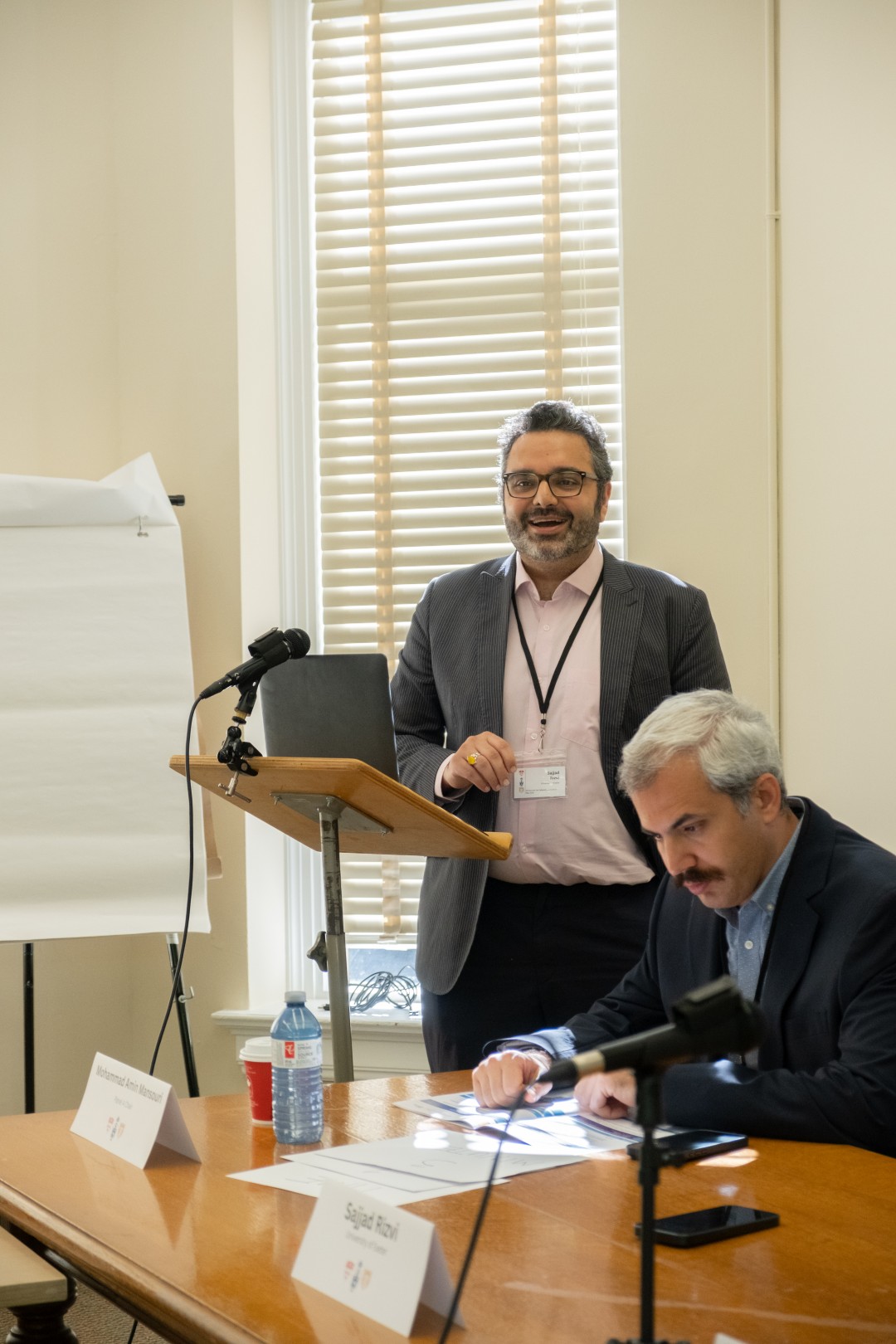
Sajjad Rizvi is Professor of Islamic Intellectual History and Director of Global and Area Studies at the University of Exeter. He has written extensively on post-Avicennian philosophical traditions in the Islamic East. He is currently editing the Oxford Handbook of Shii Islam with Ahab Bdaiwi, and completing a monograph on maximalist imamology and another one on Platonisms in Islam.
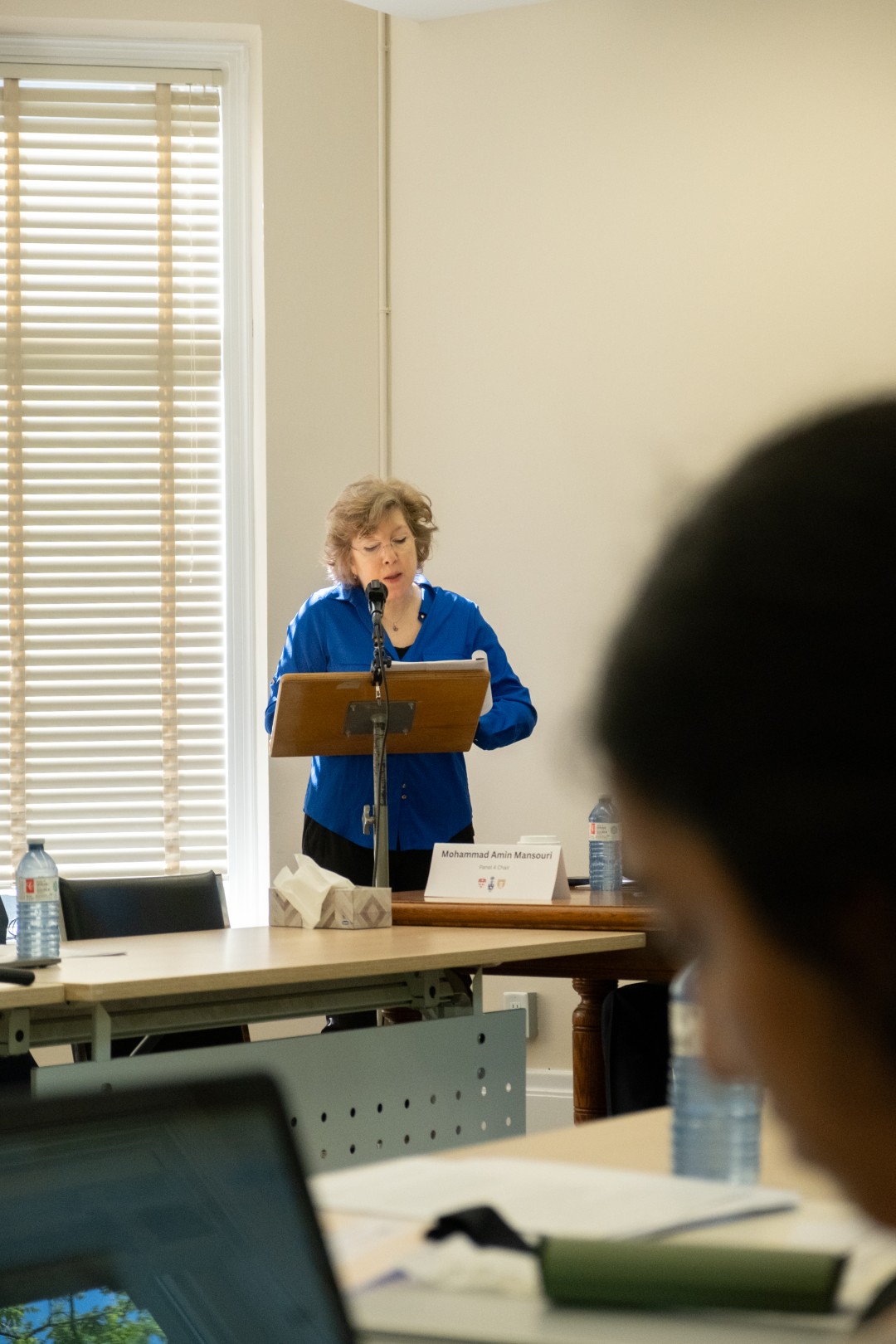
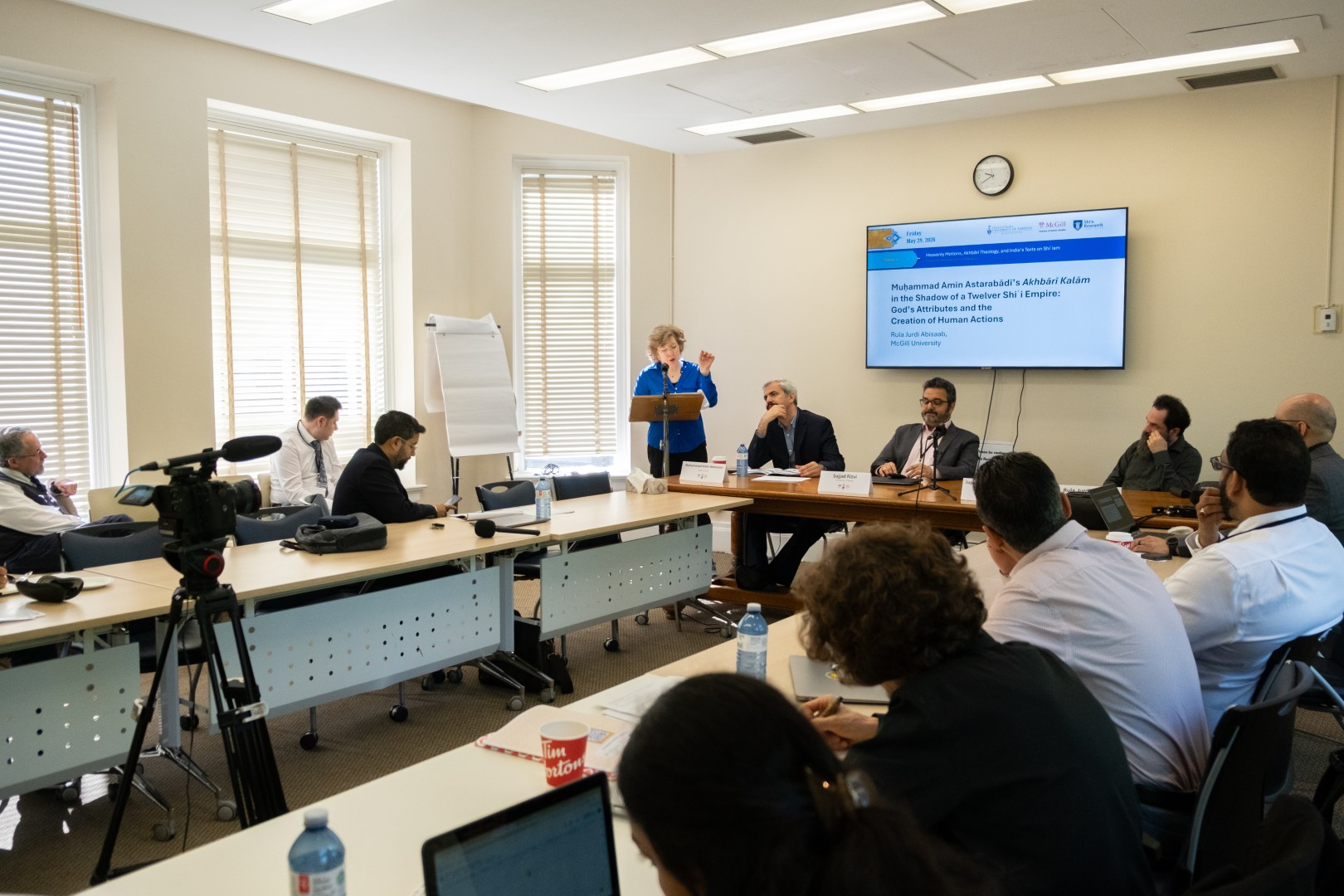
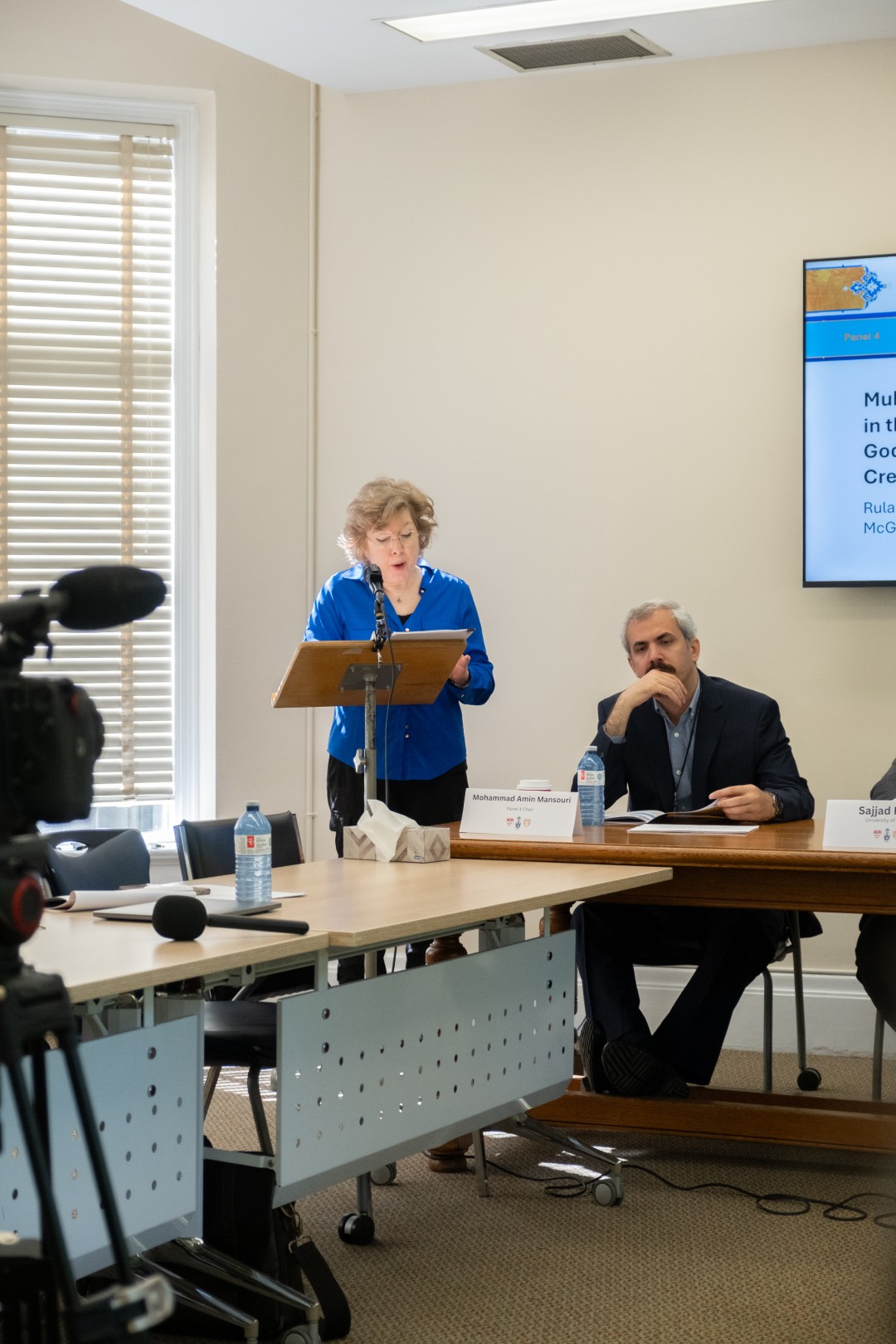
My paper illuminates the general tenets of akhbārī kalām (traditionist theology) established by Muḥammad Amīn Astarabādī (d. 1036/1626-7) in the shadow of the first Twelver Shiʿi gunpowder empire. I look closely at his position on God's attributes and the creation of human actions. I discuss his critique of Naṣīr al-Dīn Ṭūsī (d. 672/1274), and al-ʿAllāma al-Ḥillī (d. 726/1325) with respect to the first question, and his attempt to reconcile between the Imamis-Muʿtazilīs and Jalāl al-Dīn Dawānī (d. 908/1503), with respect to the second. In illuminating these questions, I draw upon Astarabādī's theological-philosophical treatises, "Thalāth Mabāḥith Kalāmiyya" (1014/1605), and "Khams Fawāʾid Kalāmiyya" (1017/1608-9), and his most significant work Dānishnāmah-yi Shāhī, completed between 1031/1622 and 1035/1625-26. Finally, I shed light on his grand design; a new synthesis between Ṭūsian and Late Persian Ashʿarī thought, within which the theology of ahl al-bayt can be located and defended based on the akhbār.
Rula Jurdi Abisaab is a Professor of Islamic History and Safawid Studies at McGill University, with a focus on Shiʿa doctrinal and legal-juristic developments from the late medieval to the early modern period and their political and socio-economic contexts. Another area of her research covers postcolonial Marxist Islamic thought and the interface between the sacred and the secular in Lebanese and Iraqi Islamist movements. A third area deals with contemporary Arabic literature. It compliments her poetic and literary output including her novel Camera Obscura (Fī ʿulbat al-ḍawʾ) which won the Khayrallah Prize for the best literary and artistic work on the Lebanese diaspora. She authored numerous articles and chapters in the above areas as well as the following books: Converting Persia: Religion and Power in the Safawid Empire, 1501-1736; The Shiʿites of Lebanon: Modernism, Communism, and Hizbullah's Islamists (together with Malek Abisaab); Kitāb Dānishnāmah-yi Shāhī bā Muqaddimah wa Ḥayāt-i ʿIlmī az Mullā Muḥammad Amīn Astarabādī (together with Reza Mokhtari Khoei); The Silence of the Law and the Sanctified Hadith: Muḥammad Amīn Astarabādī against the Mujtahids (forthcoming).
This paper examines the treatment of the dynamics of heavenly motions in the commentary of Qāḍī Kamāl al-Dīn al-Maybudī (d. 910/1504) on Athīr al-Dīn al-Abharī's al-Hidāya fī al-ḥikma, situating his work within the intellectual landscape of the Safawid period and tracing its reception in subsequent scholarly traditions. While Abharī's Hidāya offers a concise presentation of Avicennian natural philosophy, its discussions of place, motion, and time provided fertile ground for later commentators to engage with enduring questions about the causes and transmission of celestial motions.
Focusing on Maybudī's analysis of key concepts such as makān (place), ḥaraka (motion), and zamān (time), this paper argues that his commentary represents a pivotal moment in the post-classical elaboration of Aristotelian-Avicennian cosmology. In particular, Maybudī's treatment of place and void, and his engagement with competing philosophical positions (including those of the mutakallimūn and Illuminationists), open new avenues for thinking about the structure of the celestial realm and the mechanics of motion within it. Although Maybudī does not fully articulate a theory of the transmission of motion between celestial spheres, his conceptual framing shaped the discussions of later commentators.
The paper then traces the reception of Maybudī's ideas in the works of Muṣliḥ al-Dīn al-Lārī (d. 979/1572) and the Ottoman scholar Gelenbevī İsmail Efendi (d. 1205/1791). It shows how Lārī extends Maybudī's reflections by explicitly addressing the problem of place in the context of nested celestial spheres, while Gelenbevī further reinterprets these discussions in light of both the inherited philosophical tradition and, in some cases, early modern astronomical ideas. Through this commentary chain, Maybudī's work emerges as a crucial point of transmission and transformation, linking Safawid and Ottoman intellectual milieus.
Sajjad Nikfahm-Khubravan is a historian of science specializing in pre-modern Islamic astronomy and mathematics. His PhD dissertation at McGill University was titled "The Reception of Ptolemy's Latitude Theories in Islamic Astronomy." He is currently a Research Affiliate at the University of Maryland, College Park.
Among Safawid intellectuals, one stands out as both foundational and strikingly understudied in modern scholarship: Qāḍī Saʿīd Qummī, court physician to Shah ʿAbbās and one of the most original yet enigmatic members of the School of Isfahan. A philologist par excellence, Qāḍī Saʿīd devoted the core of his works to dense and often daring commentaries on the canonical hadith corpus. This presentation examines Qāḍī Saʿīd's vision of human perfection as a bold rereading of Akbarian cosmology fused with quasi-transmigrationist ideas, creative hadith commentary, and perennial ʿAlidism. It argues that several of Qāḍī Saʿīd's central ideas, such as perennial ʿAlidism, according to which the first Shiʿi Imam, ʿAlī ibn Abī Ṭālib, was not merely a historical figure but the manifestation of a primordial light guiding humanity from the time of Adam to the messianic end of history, were made possible through his close textual analysis of early Shiʿi hadith sources. Qāḍī Saʿīd's project, however, was not an isolated anomaly. Rather, it emerged from, and powerfully exemplified, the Safawid era, which may rightly be described as a renaissance of Twelver Shiʿi intellectual culture, evident in the massive production of numerous commentaries on topics such as the Qurʾan, jurisprudence, theology, philosophy, and esotericism. It is precisely in the Safawid culture of commentary that Qāḍī Saʿīd's writings must be situated. While hadith had always occupied a privileged position in Shiʿi tradition, Safawid scholars elevated the act of commentary itself into a dominant mode of intellectual production. Writing a commentary was indeed a primary medium for constructing religious and communal identity. Thus, from Mīr Dāmād's (d. 1632) celebrated commentary on al-Ṣaḥīfa al-Sajjādiyya, a highly popular Safawid work, to Mullā Ṣadrā's (d. 1636) and Muḥammad Ṣāliḥ al-Māzandarānī's (d. 1670) monumental commentaries on al-Kāfī, one observes a clear Safawid investment in rereading early Shiʿi hadith as a philological foundation for Shiʿi identity. Qāḍī Saʿīd's intellectual profile, thus, demonstrates the canonical status of the commentary tradition as a foundational structure of Safawid intellectual life.
Muhammad Amin Mansouri is an Assistant Professor of History at Central Washington University's History Department. He received his PhD in 2022 from the University of Toronto's Department for the Study of Religion, and his research centers on Islamic intellectual history, with a particular focus on Shiʿi-Sunni relations, Sufism, and occult sciences during the Mongol and post-Mongol periods. Dr. Mansouri has published in several journals, including Studia Islamica, Iranian Studies, Journal of Sufi Studies, Shiʿi Studies Review, Journal of the Royal Asiatic Society, Journal of Qur'anic Studies, and other places.
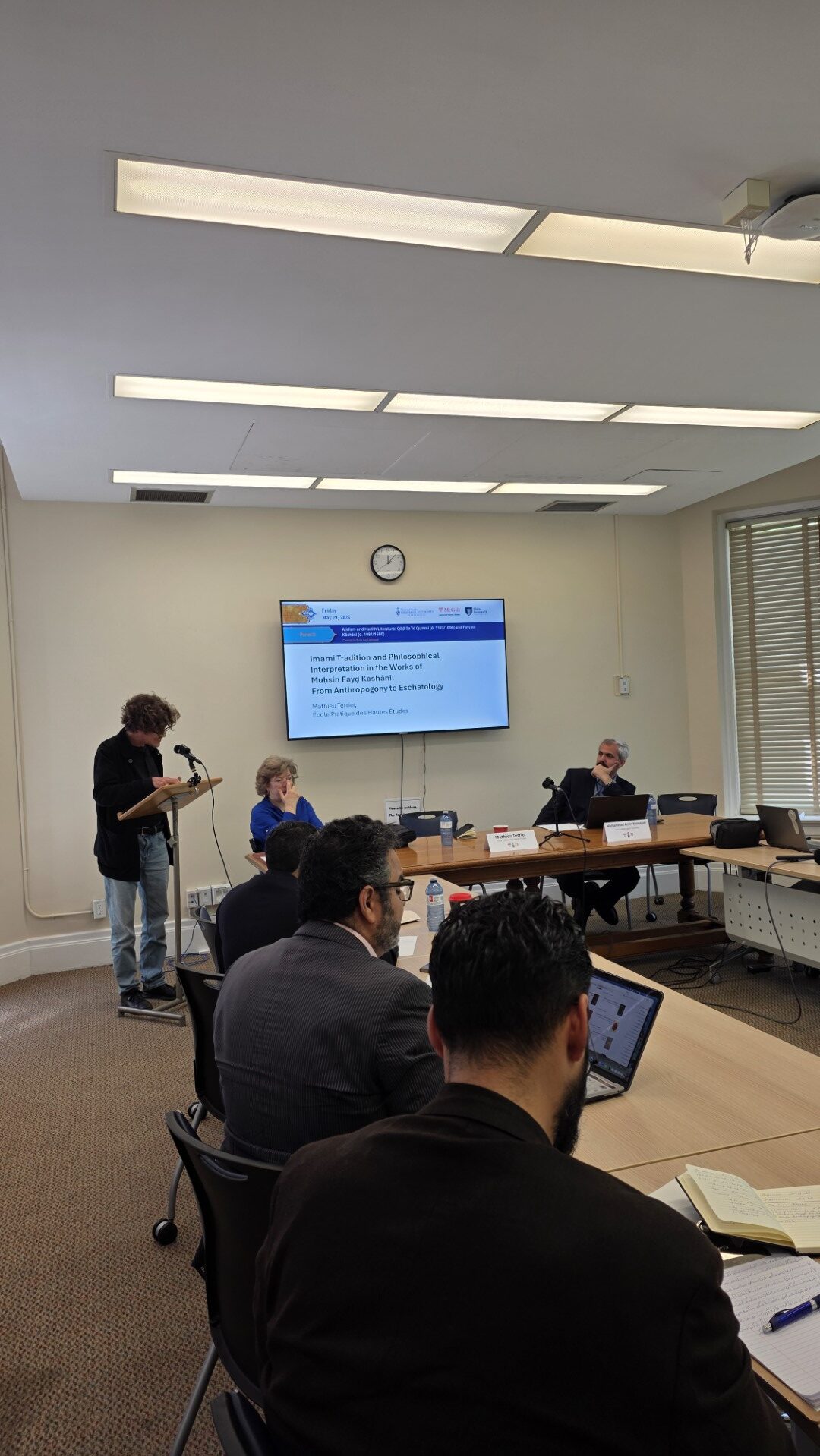
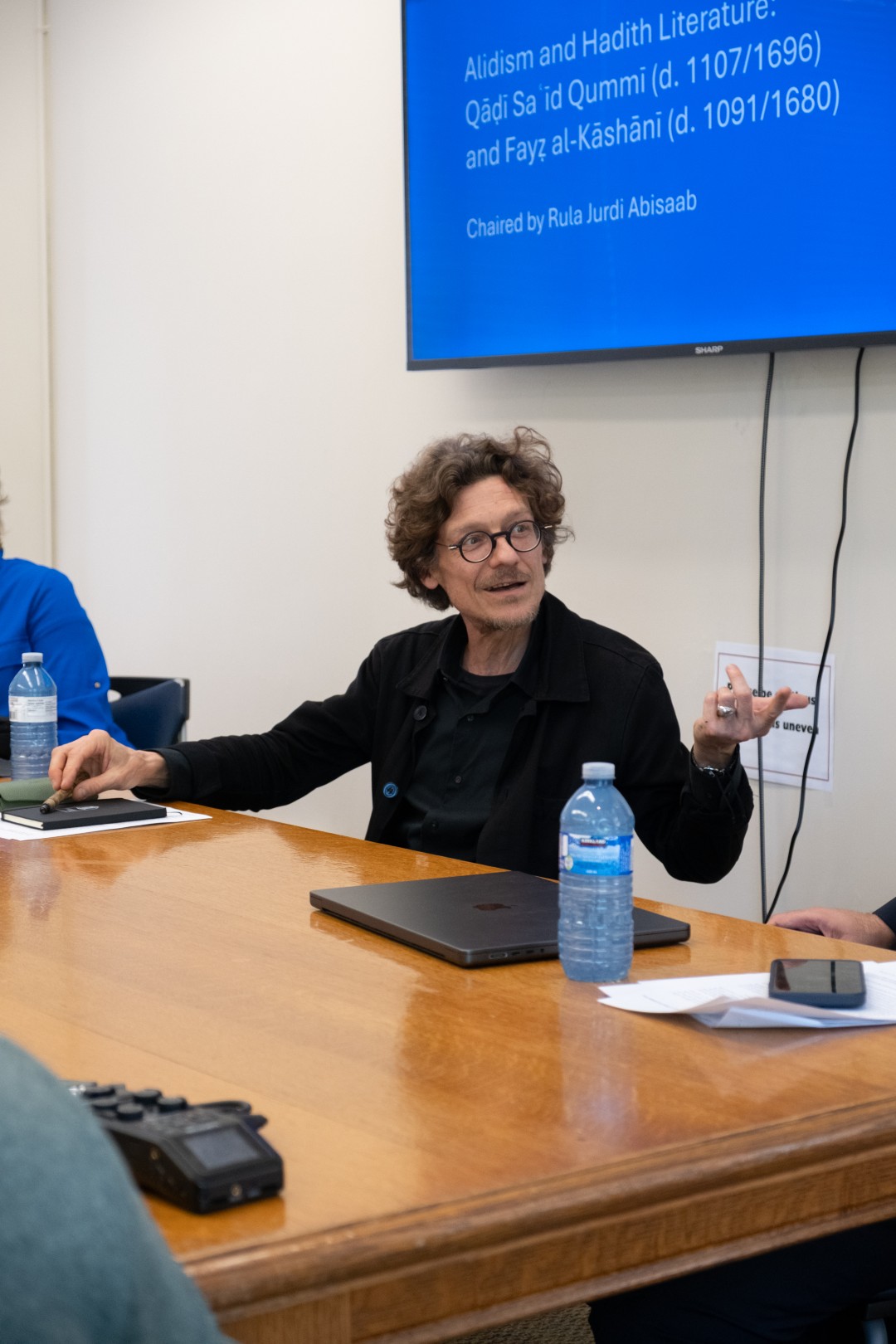
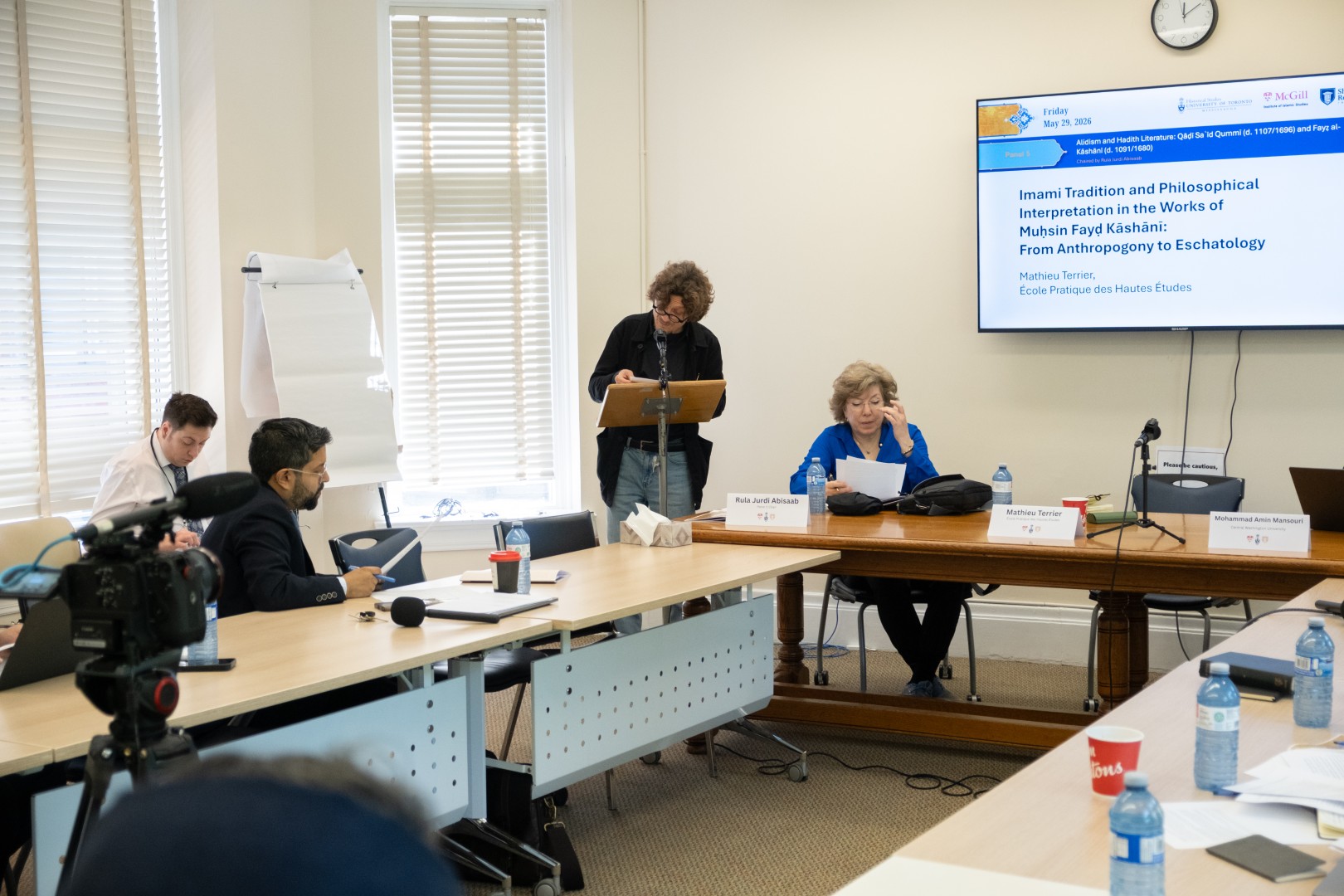
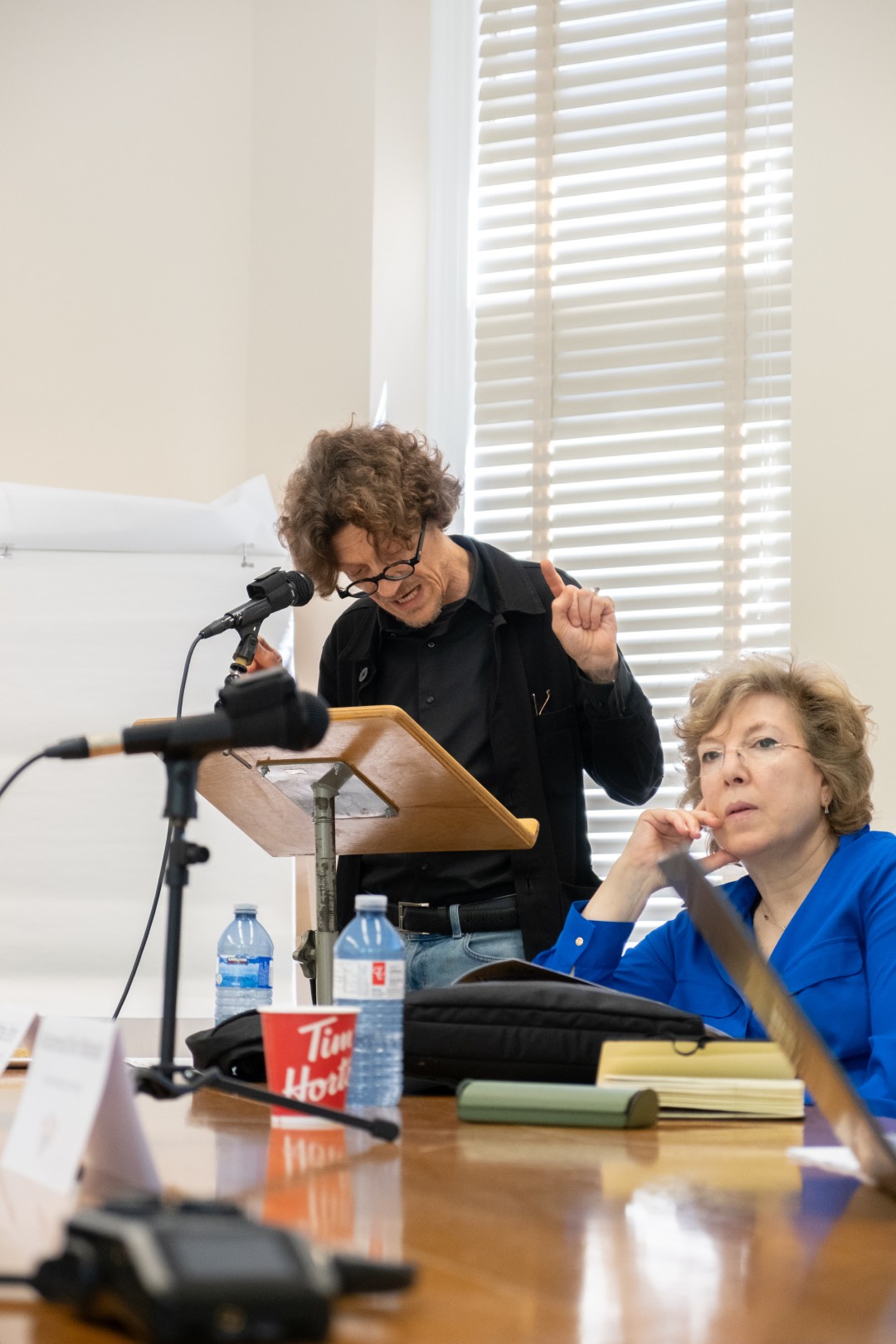
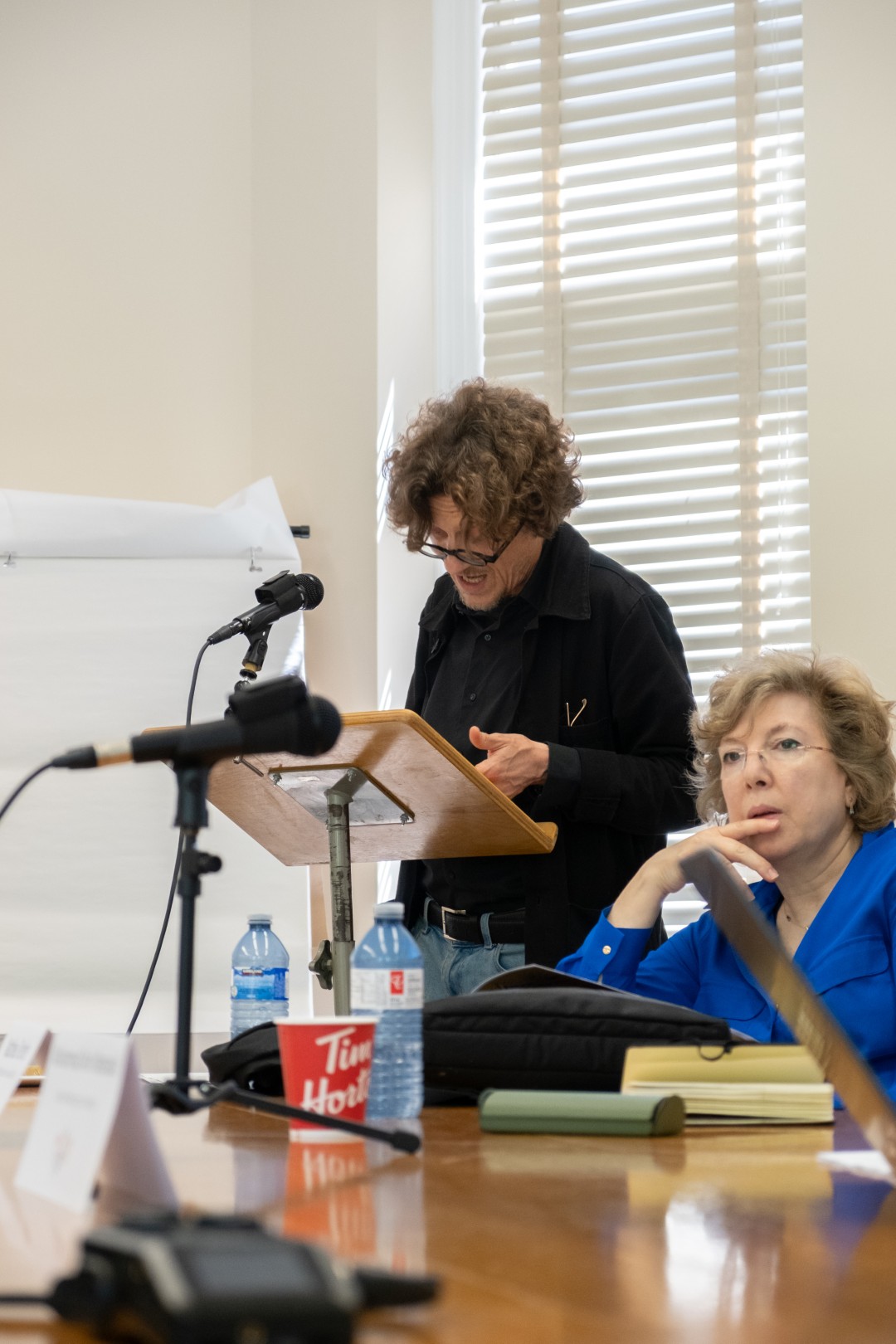
Muḥsin Fayḍ Kāshānī (d. 1091/1680-1) is an iconic yet little-known figure of Twelver Shiʿism in Safawid Iran. A polymath scholar and complex figure, he was at once a traditionalist (muḥaddith) of the Akhbārī school, a disciple of the philosopher Mullā Ṣadrā, and strongly influenced by the speculative mysticism of the school of Ibn ʿArabī. This paper will focus on Fayḍ Kāshānī's unique relationship with the corpus of hadiths attributed to the Prophet and the Imams among the Twelvers. In addition to his compilation of hadiths (al-Wāfī) and his commentary on the Qur'an composed of Imami traditions in the manner of pre-Buwayhid tafsīr-s (al-Ṣāfī), Fayḍ Kāshānī compiled and commented on Imami hadiths in original works (Kalimāt maknūna, ʿIlm al-yaqīn, Anwār al-ḥikma) which do not belong to the genre of the science of hadith but rather to gnosis (ʿirfān) or wisdom (ḥikma), combining theology, philosophy and mysticism. Drawn from ancient sources, sometimes of mysterious origin, these traditions of a metaphysical and esoteric nature are juxtaposed with quotations from the masters of philosophical and mystical schools, supporting doctrines such as the unity of being (waḥdat al-wujūd), unification (ittiḥād) with God or the Intellect, or even the perfect man (al-insān al-kāmil). I will try to show how Fayḍ Kāshānī combined the rigor of the traditionalist with the freedom of the mystical philosopher to present the words of the Imams, not as a set of legal prescriptions, but as a teaching of wisdom.
Mathieu Terrier is directeur d'études at the École Pratique des Hautes Études (EPHE/PSL), Religious sciences Section (chair: classical and premodern shiʿism), and a member of the Laboratoire d'études sur les monothéismes. His works focus on Twelver Shiʿism in relation to philosophy and Sufism. His last publication is: with Orkhan Mir-Kasimov (ed.), De la lettre à l'esprit. Travaux en hommage à Mohammad Ali Amir-Moezzi / From the Letter to the Spirit. Studies in Honour of Mohammad Ali Amir-Moezzi (Turnhout, 2025).
With the rise of the Safawids, Shiʿism became the official religion of Iran, but this did not translate into an immediate conversion of a predominantly Sunni population. As scholars such as Said Amir Arjomand and Rula Abisaab have shown, the propagation and popularization of Shiʿi doctrine—through the establishment of institutions of law, ritual, and scholarship—was a gradual process patronized by Safawid monarchs and supported by Shiʿi scholars. While the role of these actors in the broader process of Shiʿitization has received considerable scholarly attention, the significance of books as material vehicles of ideas has remained understudied.
This paper addresses this gap by examining manuscript production and circulation as key components of the infrastructure that enabled the survival, evolution, and dissemination of Shiʿi thought in the Safawid period. Drawing on historical library inventories, waqf documents, and surviving manuscripts from the personal collections of Shiʿi scholars, courtiers, and bureaucrats, the paper reconstructs a wide network of circulation and exchange that connected Jabal ʿAmil, Iraq, the Hijaz, Bahrain, Iran, and the Indian subcontinent. It argues that book circulation—shaped by patterns of travel, mobility, and migration—played a central role in disseminating Shiʿi works across vast distances, while the practice of book endowment ensured their preservation and sustained accessibility to the interested members of the community.
Mahdieh Tavakol is a postdoctoral researcher at the Center for the Study of Manuscript Cultures (CSMC), Universität Hamburg. Her research examines knowledge production, libraries, book culture, and the circulation of books and people in the Shia communities of the 16th and 17th centuries. She completed her PhD at Freie Universität Berlin in 2024 as a Marie Skłodowska-Curie fellow. Her dissertation on the library of Bahāʾ al-Dīn Muḥammad al-ʿĀmilī (d. 1030/1621) received the Annemarie Schimmel PhD Dissertation Prize in 2025. Her current project explores the circulation of manuscripts between Iran and India, particularly through book endowments (waqf) in the Safawid period.
Although Jalāl al-Dīn al-Dawānī's death in 1502 coincides with the rise of the Safawids (16th–18th centuries), his teaching activities remain relevant to the intellectual conditions behind the so-called "Eastern Renaissance" of seventeenth-century philosophy. Based in Shiraz, a major center attracting students from across Ottoman, Mamluk, and Iranian lands, he issued at least four teaching licenses (Ijāzāt) between 1483 and 1498, each constructing a distinct scholarly genealogy back to Ibn Sīnā (d. 1037) and Suhrawardī (d. 1191). Only the first, addressed to the Ottoman scholar Muʾayyadzāda (d. 1516), has been studied, in a 2016 essay by Judith Pfeiffer. This talk introduces new manuscript evidence for the remaining three, including a recently identified holograph of the third and the unique manuscript of the fourth. A comparative reading shows that Dawānī adapted his lineages to different students and contexts; notably, only the holograph includes Quṭb al-Dīn al-Shīrāzī (d. 1311) in the Avicennian pedigree. These variations illuminate how he fashioned intellectual authority in ways that helped motivate a renewed engagement with classical and pre-Avicennan texts.
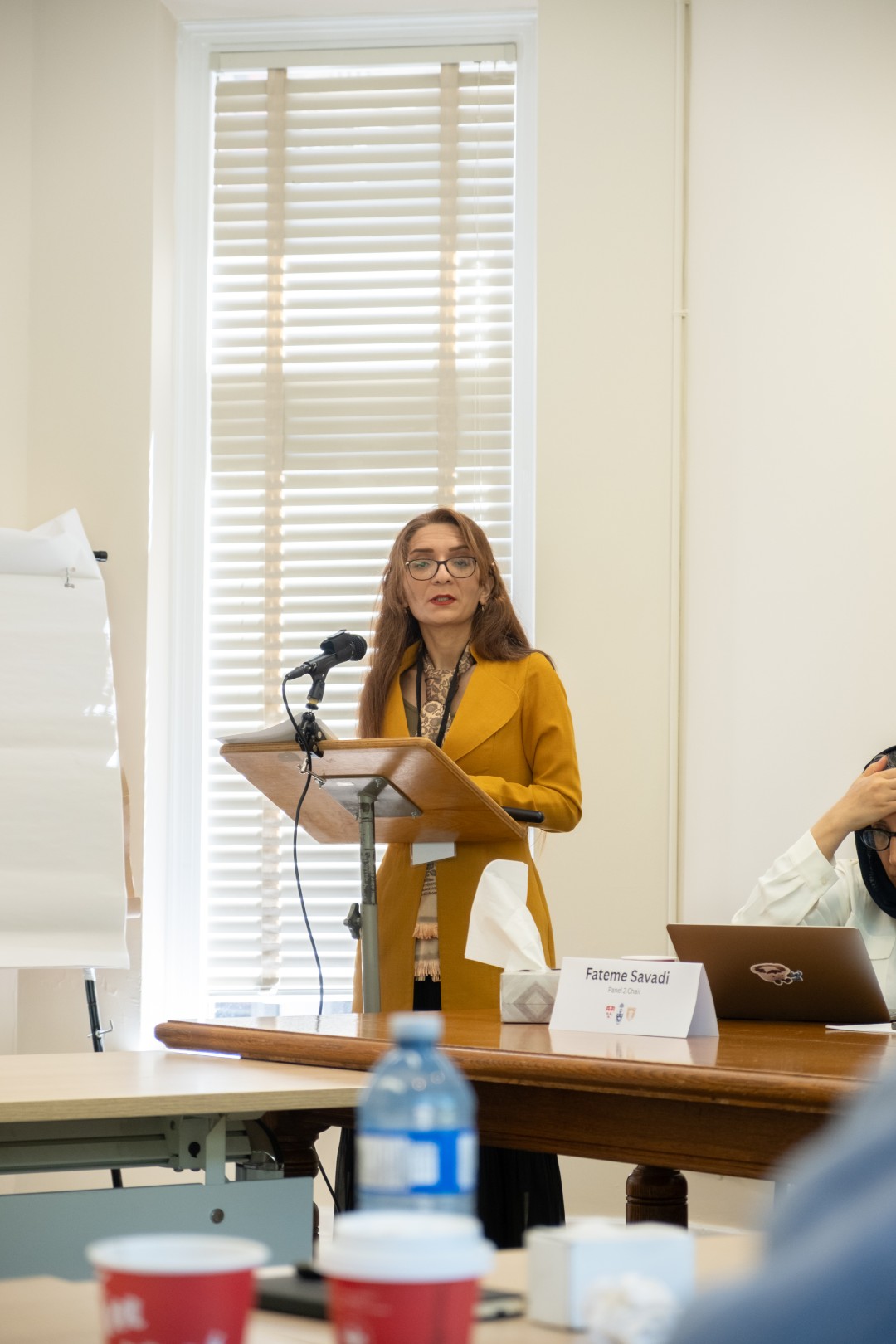
Fateme Savadi is currently a postdoctoral researcher at McGill University, working with Professor Robert Wisnovsky on the John Templeton Foundation project "Muḥammad ʿAbduh's Supercommentary on al-Dawānī's Commentary on al-Ījī's Creed: A New Source for the Renewal of Islamic Analytical Theology." However, her main research area is history of science in the pre-modern Islamic world. She received her Ph.D. from the Institute of Islamic Studies at McGill University in October 2019 where she completed her dissertation under the direction of Professor F. Jamil Ragep. The dissertation, entitled "The Historical and Cosmographical Context of Hayʾat al-arḍ with a Focus on Quṭb al-Dīn Shīrāzī's Nihāyat al-Idrāk," is aimed at defining a distinct genre of scientific geographical writing that was part of a broader genre of theoretical astronomy in the pre-modern Islamic world and at showing how the development of this genre is central to any study of not only that broader astronomical tradition, but also all the geographical and cosmographical traditions of the medieval Islamic world. Her dissertation was recently recognized by the International Union of History and Philosophy of Science and Technology–Division of History of Science and Technology (2021 Dissertation Prize) and the Istanbul Foundation for Research and Education (İhsanoğlu Prize).
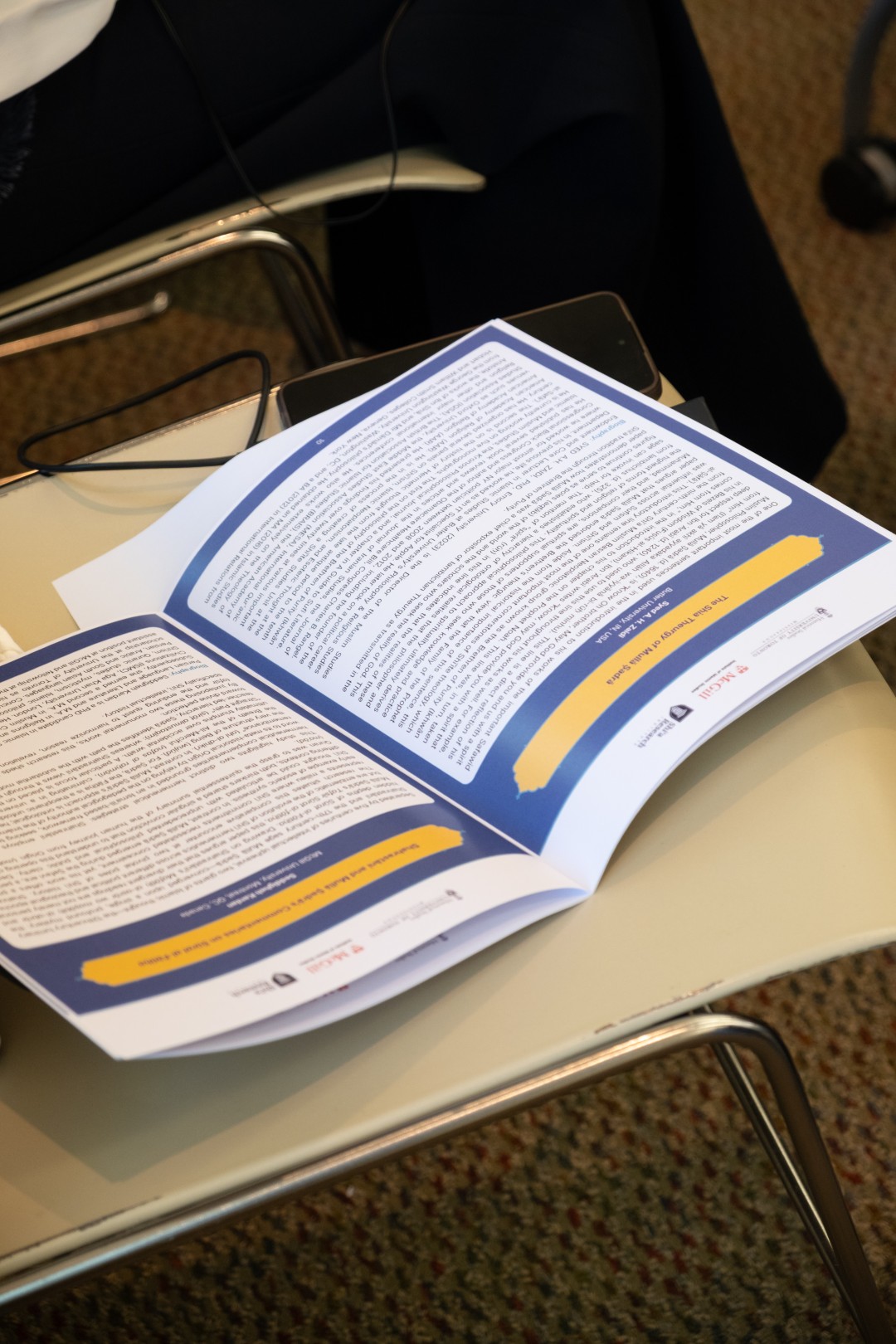
The complete conference booklet, with all abstracts and biographies, is available as a PDF.
Read the Booklet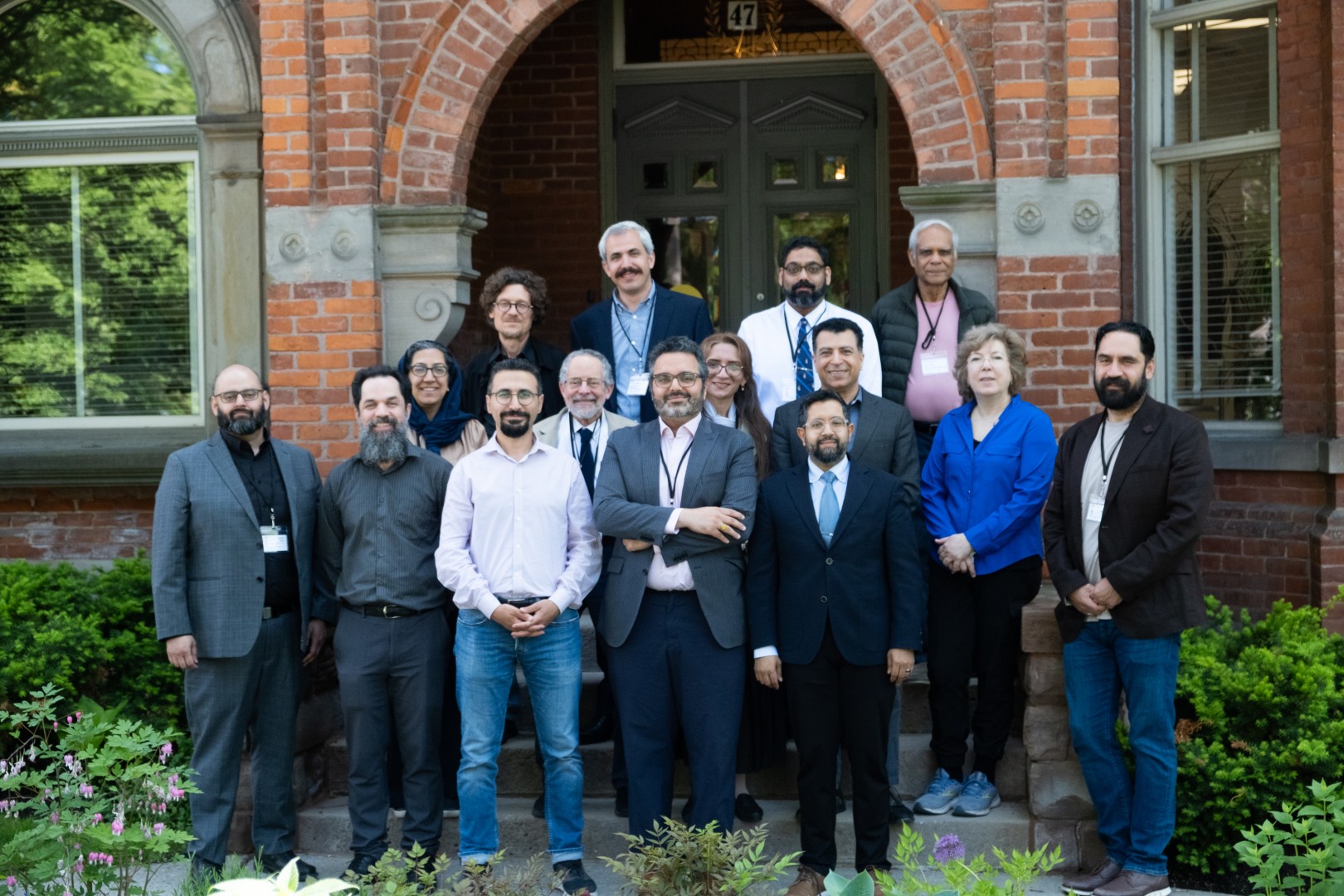


Hosts and Sponsors:
