
Reflections on My Journey to Iraq
2026
I arrived in Iraq as a Christian, a researcher of religion, and a guest. My professional work is rooted in the study of religion in Canada at a theological institution at the University of Toronto, and my academic formation has included the study of Islam, Christian Theology and the Natural Sciences. More recently, through a partnership with the Shi‘a Research Institute, I have been studying religion and immigration in Canada, including the ways communities carry memory, faith, and identity across borders. All of this shaped the way I entered the trip and impacted the way I processed my experiences.
For me, the journey was an opportunity to learn, to give flesh and texture to things I had previously encountered in books and research, to build new friendships, and to deepen my understanding. It was a chance to move, however briefly, from reading about communities to sitting with people, hearing their stories, visiting their sacred places, and discovering how much more there is to understand.
This journey would not have been possible without the generosity and hospitality of the Supreme Committee for the Revival of Islamic Heritage (al-Hay’at al-‘Ulya li-Ihya’ al-Turath, Najaf) under the direction of Shaykh Muslim Rida’i and the Shi‘a Research Institute (Toronto) with its Principal Imam Sayyid Muhammad Rizvi and Academic Director, Dr. Vinay Khetia. I am deeply grateful for the trust, care, and friendship that made this once-in-a-lifetime opportunity possible. Their support made space for learning, honest encounter, and new friendship. It allowed me to see Iraq not as an abstraction, but through places, conversations, and communities that will continue to shape my understanding for years to come.
I was asked to write about my experience in Iraq, but I do so with several audiences in mind. I write, first, for those in the Western academy, where Iraq and Shi‘i Islam are often approached through texts, political analysis, migration studies, or the long shadow of conflict, all of which are heavily mediated by popular portrayals in media. I hope these reflections can offer a more personal and embodied account of encounter, place, and religious life. I also write for Christians in the West, many of whom know Iraq through biblical memory, news reports, or concern for ancient Christian communities, but may have fewer opportunities to consider the depth and vitality of Muslim religious life there. Finally, I write with gratitude for members of the Shi‘a community, whose hospitality made this journey possible and whose faith, devotion, and friendship shaped my experience at every stage. My hope is that each of these communities of readers will find something of value in these reflections, even as they will no doubt notice different things.
The Trip
If you had asked me six months earlier whether I ever expected to travel to Iraq in my lifetime, I would probably have laughed. The trip came about with surprising speed. I first heard about the 1000th anniversary of the founding of the seminary in Najaf by al-Tusi, and within roughly eight hours the possibility of attending as a guest and observer had become a real invitation. Six weeks later, I was on a plane. I did not go with a research agenda, a list of must-dos, or any firm expectations about what I would find. I understood the journey instead as a rare opportunity to learn, to receive what was placed before me, and to be open to the experience as it unfolded.
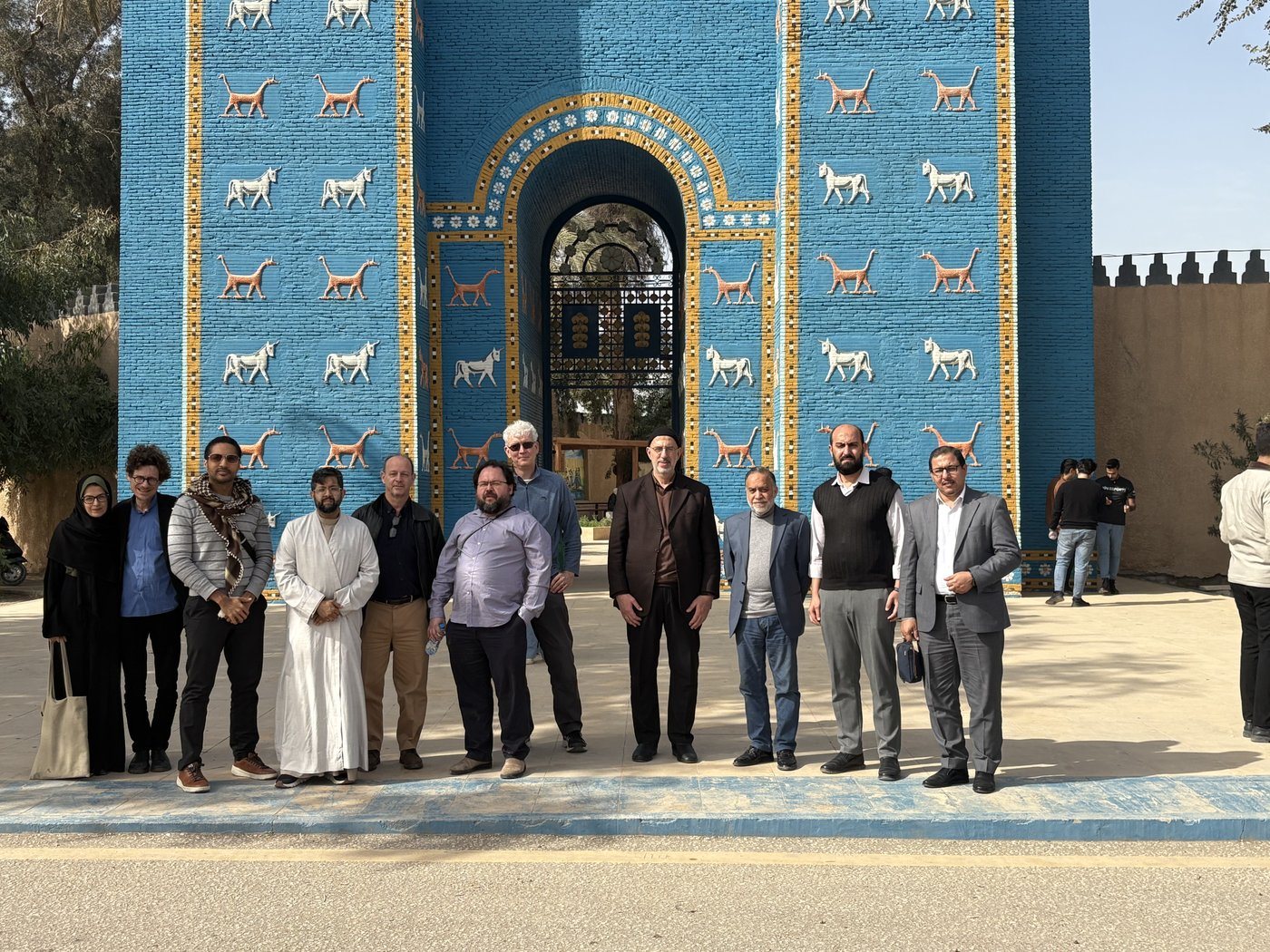
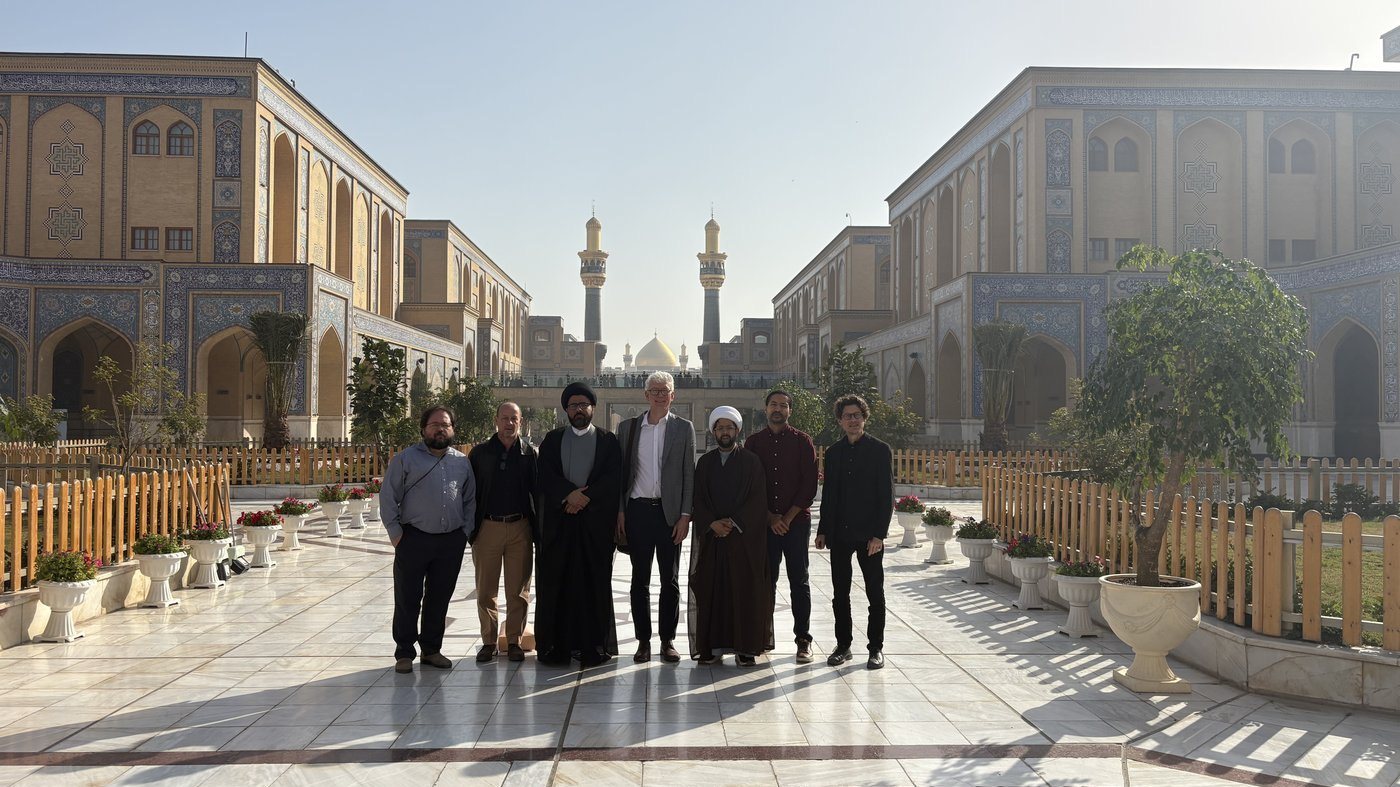
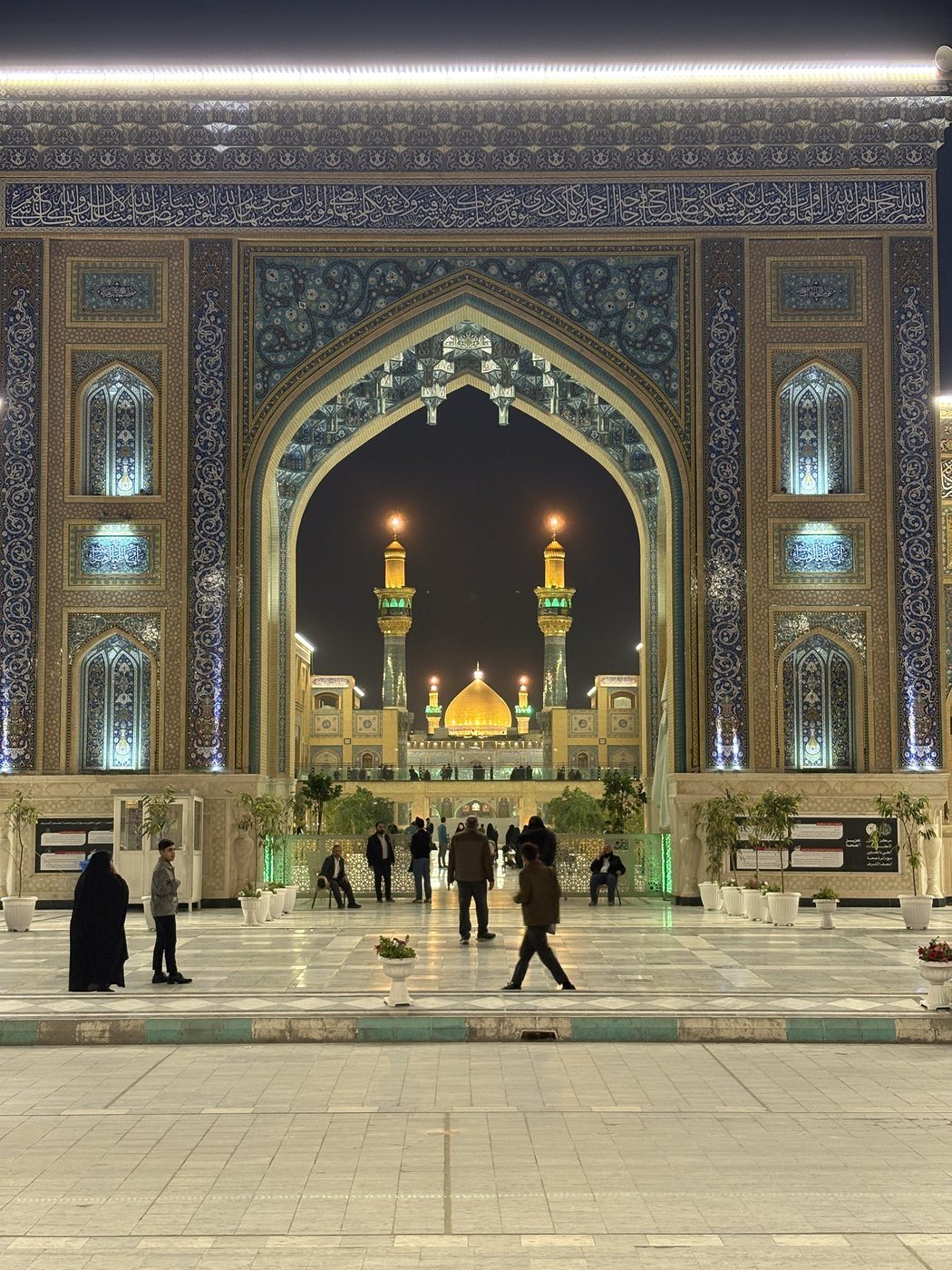
Over the course of the week, our journey moved through several places of deep historical and religious significance. We began in Karbala, where visits to the two shrines (Imam Husayn and his brother al-‘Abbas), the manuscripts treasury, the Al Fadl Center for Manuscript Restoration, and the Al Kafeel Museum offered an immediate sense of how memory, devotion, and scholarship are held together. From there, we travelled to al-Kadhimiya and Samarra, before visiting Babylon and continuing on to Najaf al-Ashraf. In Najaf, the focus of the trip became more explicitly connected to the anniversary of the seminary founded by al-Tusi, with visits to the Shaykh al-Tusi Mosque, the Manuscripts Treasury of the Holy Alawi Shrine, the Al Hindi Mosque, academic conference sessions, scholarly gatherings, and opportunities for intellectual dialogue. The itinerary was full, but it never felt merely like movement from one site to another. Each place opened a different window onto Iraq’s layered history, the centrality of sacred geography, and the living communities that continue to preserve, study, and inhabit these traditions.
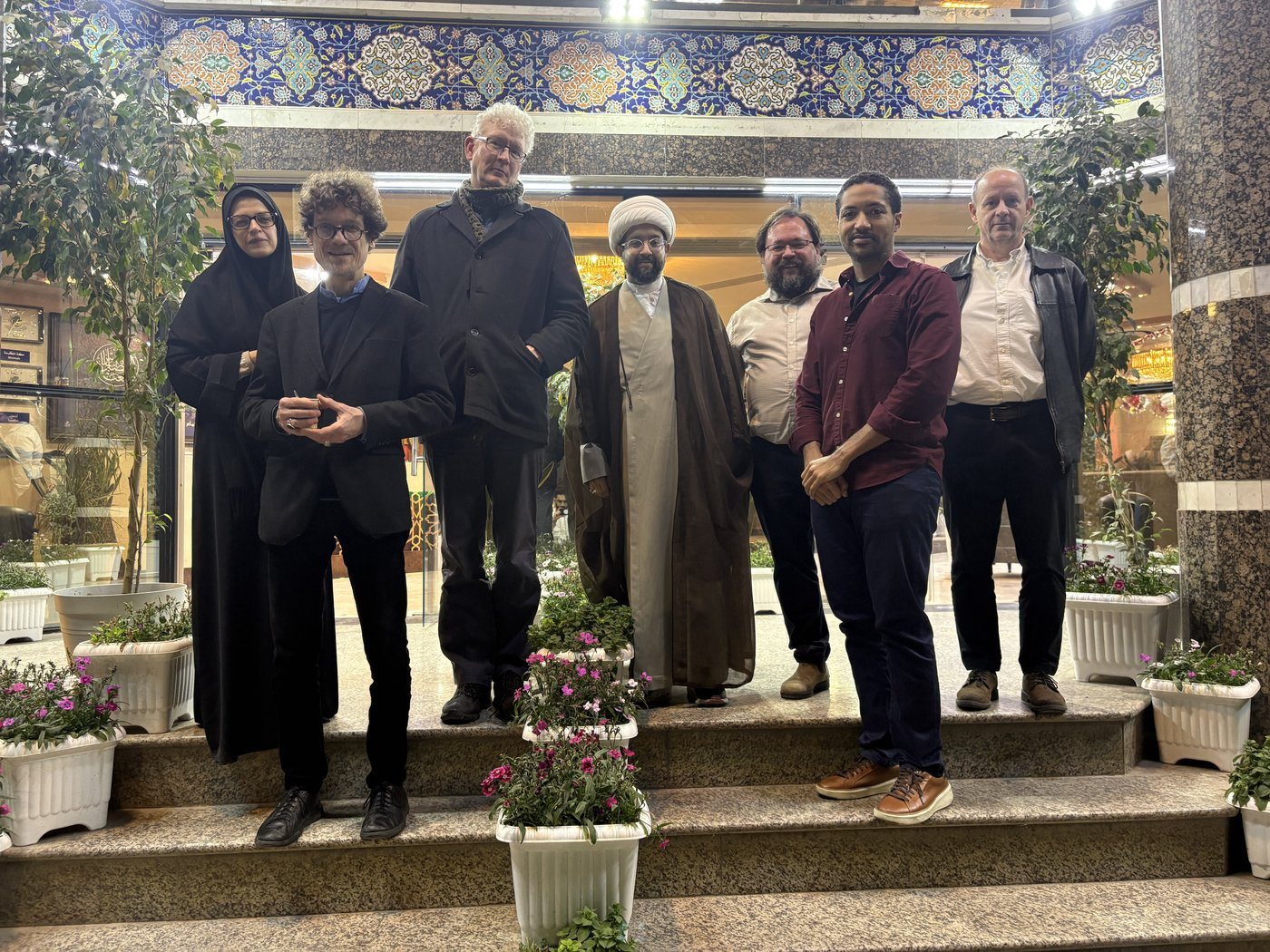
In addition to the generosity of our Iraqi hosts, I was also fortunate to travel with remarkable companions: Drs Bruce Fudge, Nebil Husayn, Mathieu Terrier, Vinay Khetia, and Robert Gleave. Each brought deep expertise in Islamic thought, history, texts, and traditions, and together they added another layer of learning to the journey. I suspect they may have grown tired by the second day of my constant questions, but they received them with patience and generosity. For someone like me, still learning how to understand what I was seeing, it was a rare gift. I was not only moving through Iraq with gracious hosts, but also with five scholars who became, in effect, personal guides into the intellectual and religious worlds we were encountering.
The People
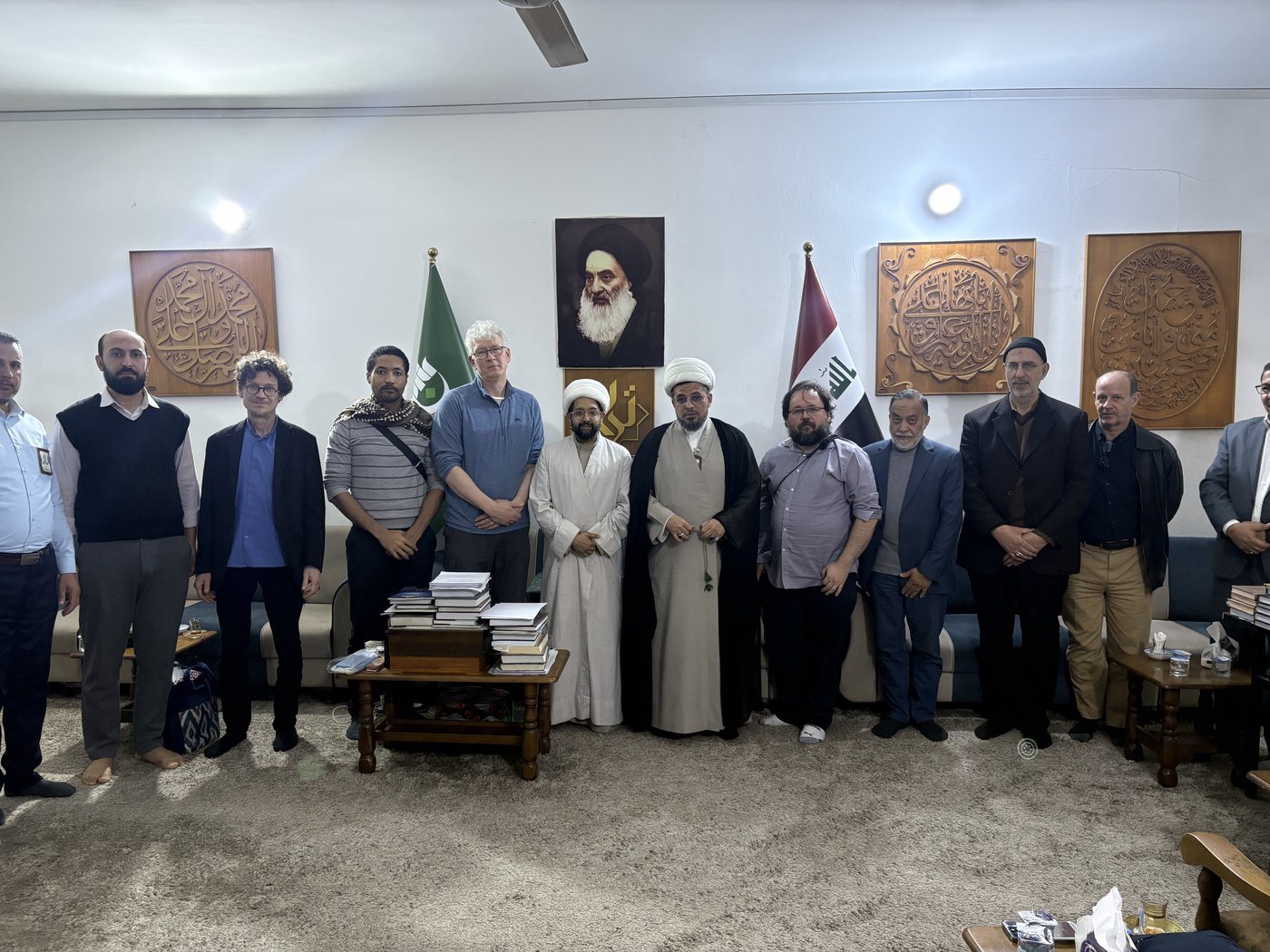
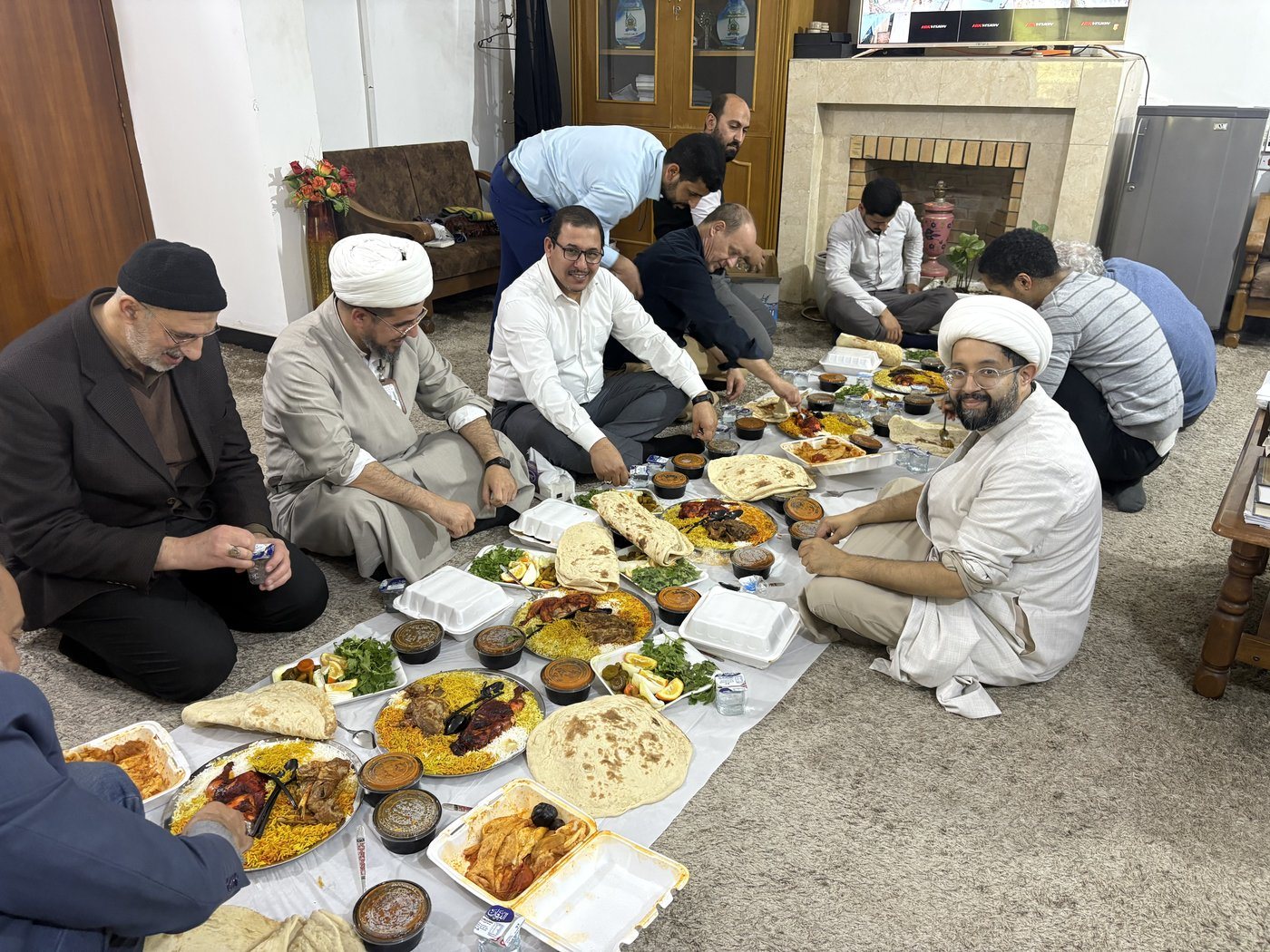
One of the first things I noticed was the warmth of the people. Hospitality was not merely a gesture but seemed woven into the culture of daily life. Again and again, I was met with generosity, welcome, and a sincere desire to make sure I was cared for. I also felt remarkably safe walking through the streets, even in places that I had previously known only through distant and often anxious images of Iraq. What stood out most, however, was the visible and palpable place of religion in public life. Faith was not confined to private belief or occasional practice. It shaped the rhythms of the city, the movement of people, the architecture of public spaces, and the way communities gathered, remembered, and welcomed others. In this sense, Iraq felt like a place where religion remained close to the centre of life, not as an abstract idea, but as something embodied in streets, shrines, conversations, and ordinary acts of hospitality.
One of the things that struck me was the way religious scholarship functions not simply as a profession, but as a family inheritance and a form of life. Scholarship is woven into households, lineages, and patterns of expectation. The sons of scholars often grow up with the assumption that they will continue in the path of their fathers, entering the world of study, teaching, and religious service as a family vocation. At the same time, the scholarly class is not closed. Alongside the importance of lineage, there is a genuine meritocracy rooted in devotion, discipline, learning, and intellectual promise. Those who demonstrate seriousness and capacity can rise within the community, regardless of country of origin or ethnicity, even to its highest ranks. In this sense, the scholarly world holds together two realities: the weight of inherited tradition and the possibility of recognition through learning, piety, and sustained commitment.
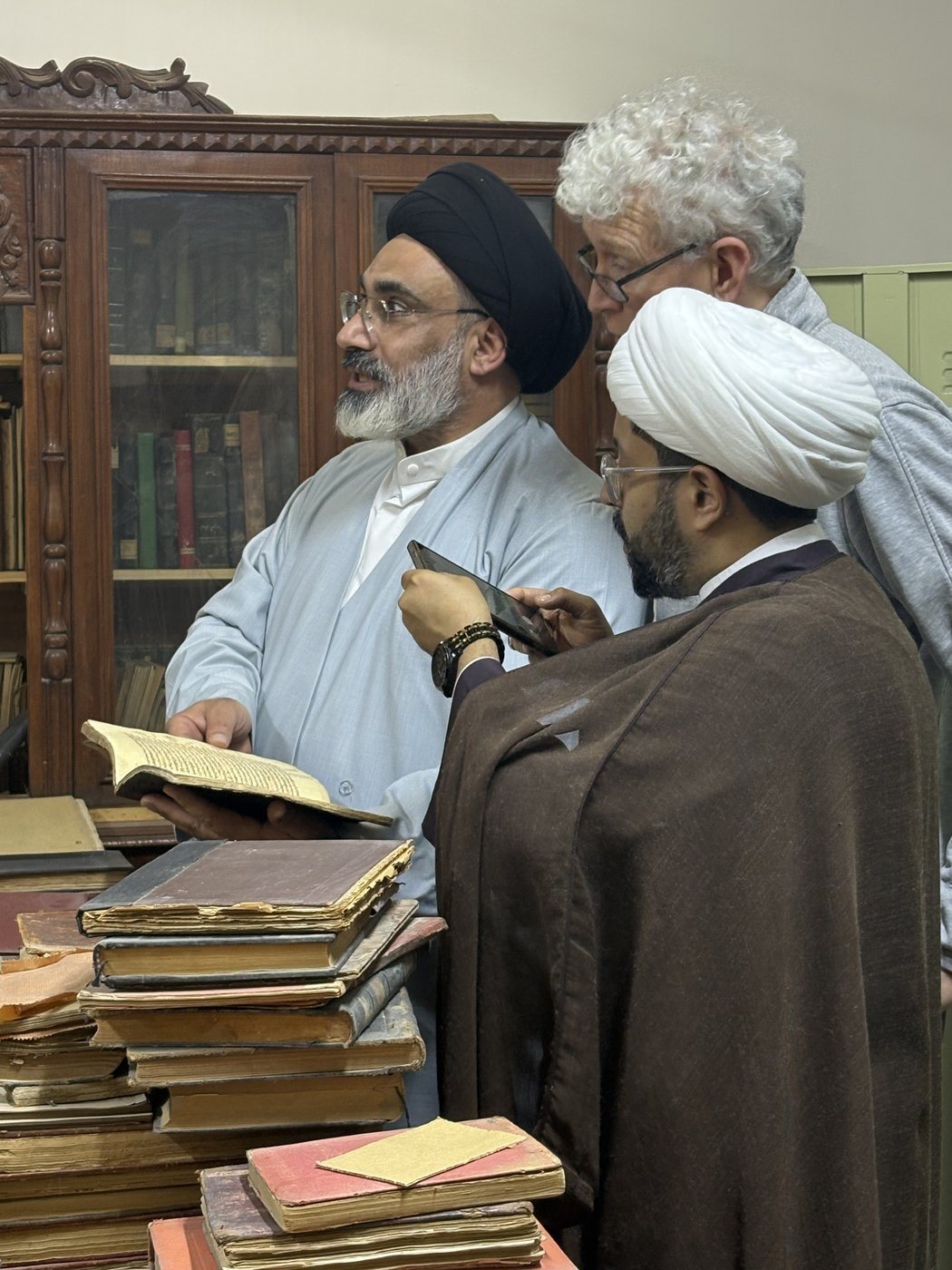
I introduce this scholarly world because one of the things that impressed me most was the preservation of knowledge as an ingrained virtue. In the communities we encountered, learning was not treated as something temporary or merely functional, but as something to be received, guarded, transmitted, and expanded. This was visible at the level of families, many of whom hold libraries containing priceless manuscripts and inherited collections. Time after time, we heard stories of how these libraries had to be hidden from authorities during the time of Saddam Hussein, protected at great personal risk so that the knowledge they contained would not be lost. At the macro level, this same virtue was evident in the vast wealth of knowledge preserved by the community in the manuscript libraries of shrines and other larger institutions. What struck me was that this was not limited to Islamic knowledge or religious literature alone. The collections included texts from many disciplines and traditions, bearing witness to a broader intellectual inheritance and to a community that has long understood the preservation of knowledge as a sacred trust.
The Texts
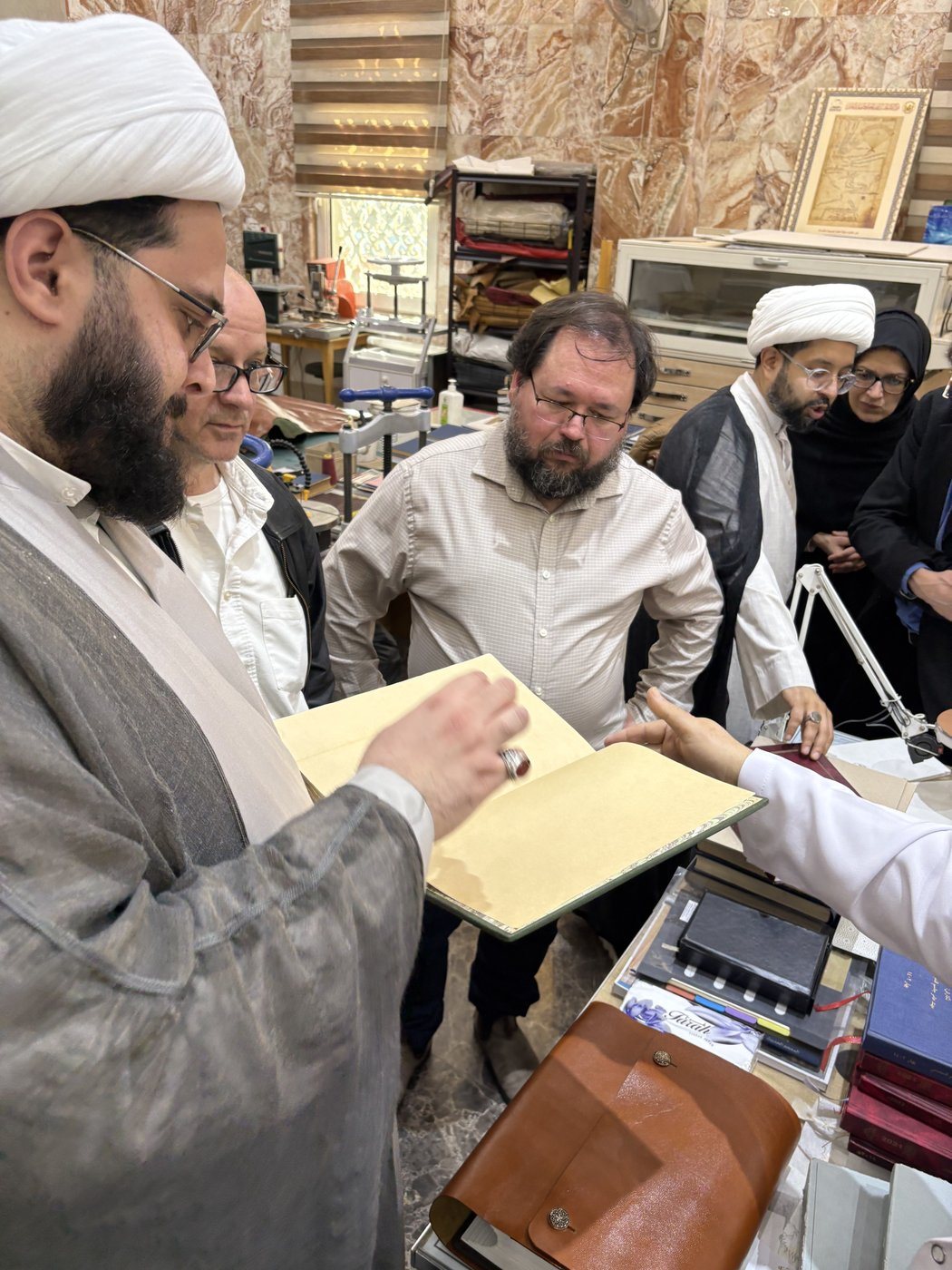
Before speaking about particular texts, it is important to name the extraordinary work of preservation and restoration that surrounds them. In several places we visited, manuscripts were not treated as artifacts locked away from life, but as fragile witnesses to a living intellectual inheritance. We saw the careful labour required to catalogue, conserve, repair, digitize, and study texts that had survived centuries of use, travel, conflict, neglect, and concealment. The restoration work was especially striking. Pages were cleaned, stabilized, repaired, and protected with a combination of technical expertise and deep reverence for what they carried. These efforts were not simply archival in the narrow sense. They represented a commitment to memory, scholarship, and transmission, ensuring that texts preserved by families, shrines, seminaries, and libraries could continue to speak to future generations.
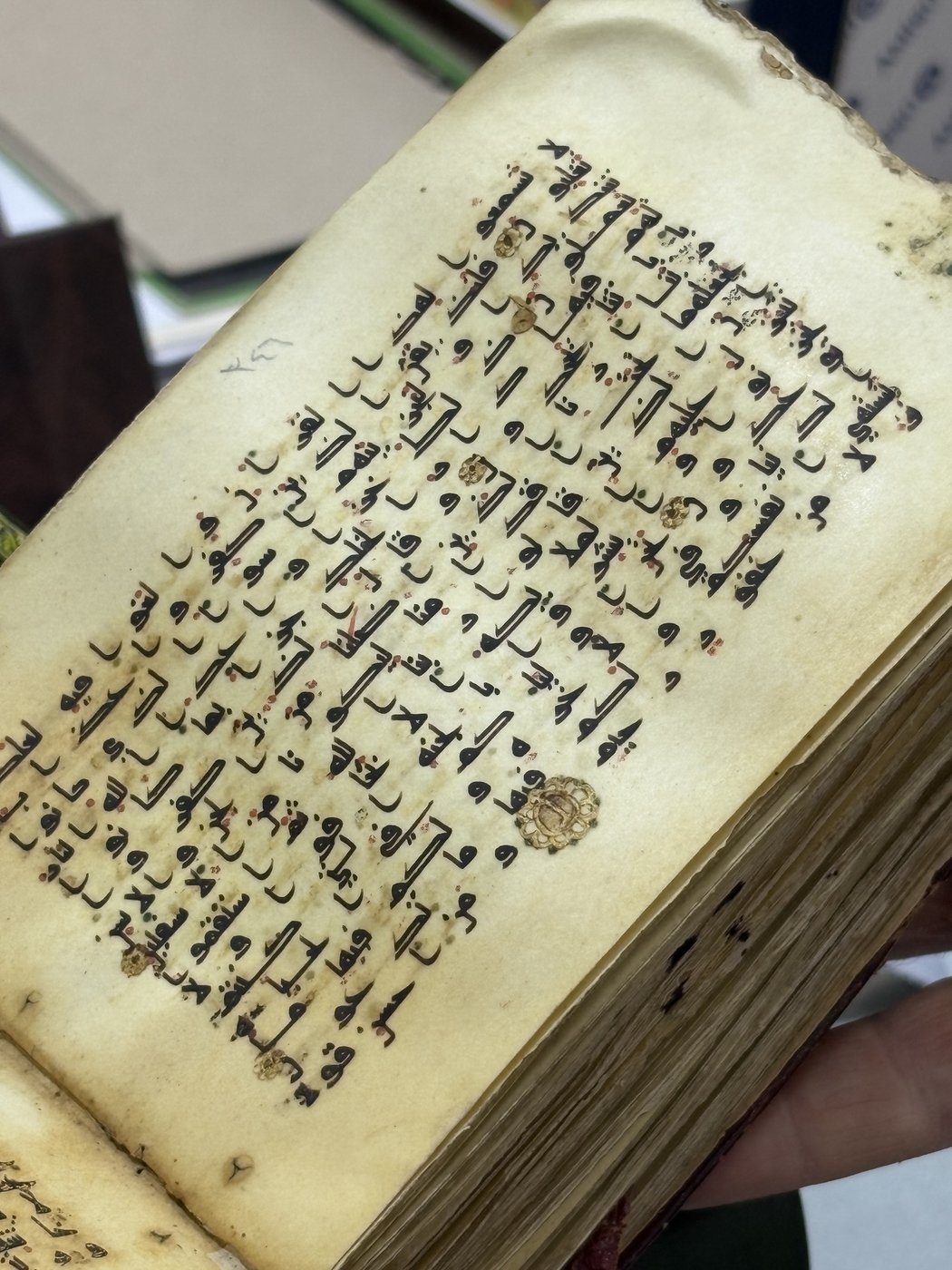
The variety of texts we encountered was as striking as their preservation. Some reached back to the early centuries of Islam, carrying with them the marks of transmission across generations, institutions, and geographies. Others reflected the breadth of intellectual life that surrounded the scholarly tradition. There were religious texts, of course, including Qur’anic manuscripts, works of law, theology, commentary, and devotion. But the collections also extended far beyond what a Western reader might narrowly expect from a religious library. We saw works connected to philosophy, medicine, mathematics, astronomy, and other fields of learning, including scientific texts such as Arabic translations and commentaries on Euclid’s geometry. Nor were these collections limited to Arabic alone. The presence of Syriac and other languages pointed to a wider intellectual world, one in which texts moved across communities, traditions, and linguistic boundaries. What emerged was not a picture of isolated religious learning, but of a civilization deeply invested in the preservation, translation, interpretation, and expansion of knowledge.
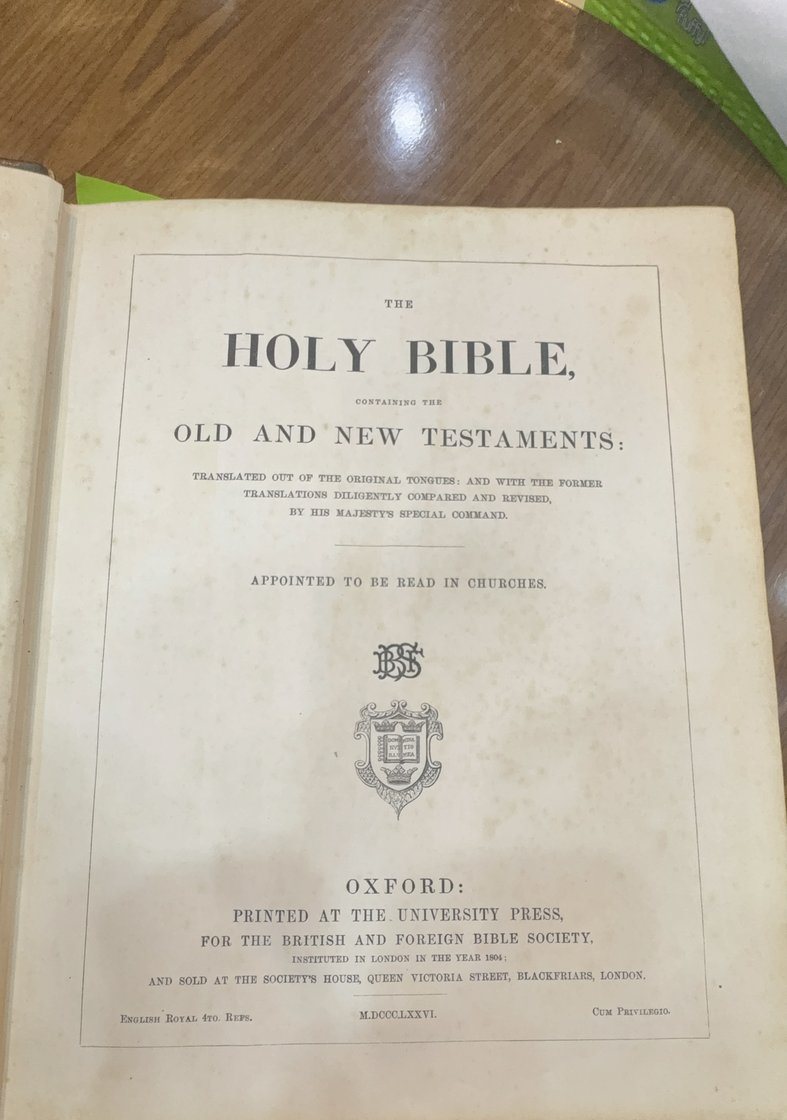
For many in the West, it is easy to forget how much of the intellectual inheritance we associate with Europe was mediated through Islamic societies in the medieval period. Greek philosophy, mathematics, medicine, astronomy, and other fields of learning were not simply preserved as static relics. They were translated, studied, debated, corrected, expanded, and taught within Arabic-speaking intellectual cultures. In this sense, Islamic civilization did not merely act as a storage house for ancient knowledge, but as an active participant in its transmission and development. Many scholars have argued that without this long labour of preservation and interpretation, the European Renaissance and the later emergence of modern science in the West would have taken a very different shape, if they could have emerged in the same way at all. Seeing these manuscripts made that history feel less like an abstract claim and more like a material reality: fragile pages, copied by hand, carrying ideas across languages, traditions, and centuries.
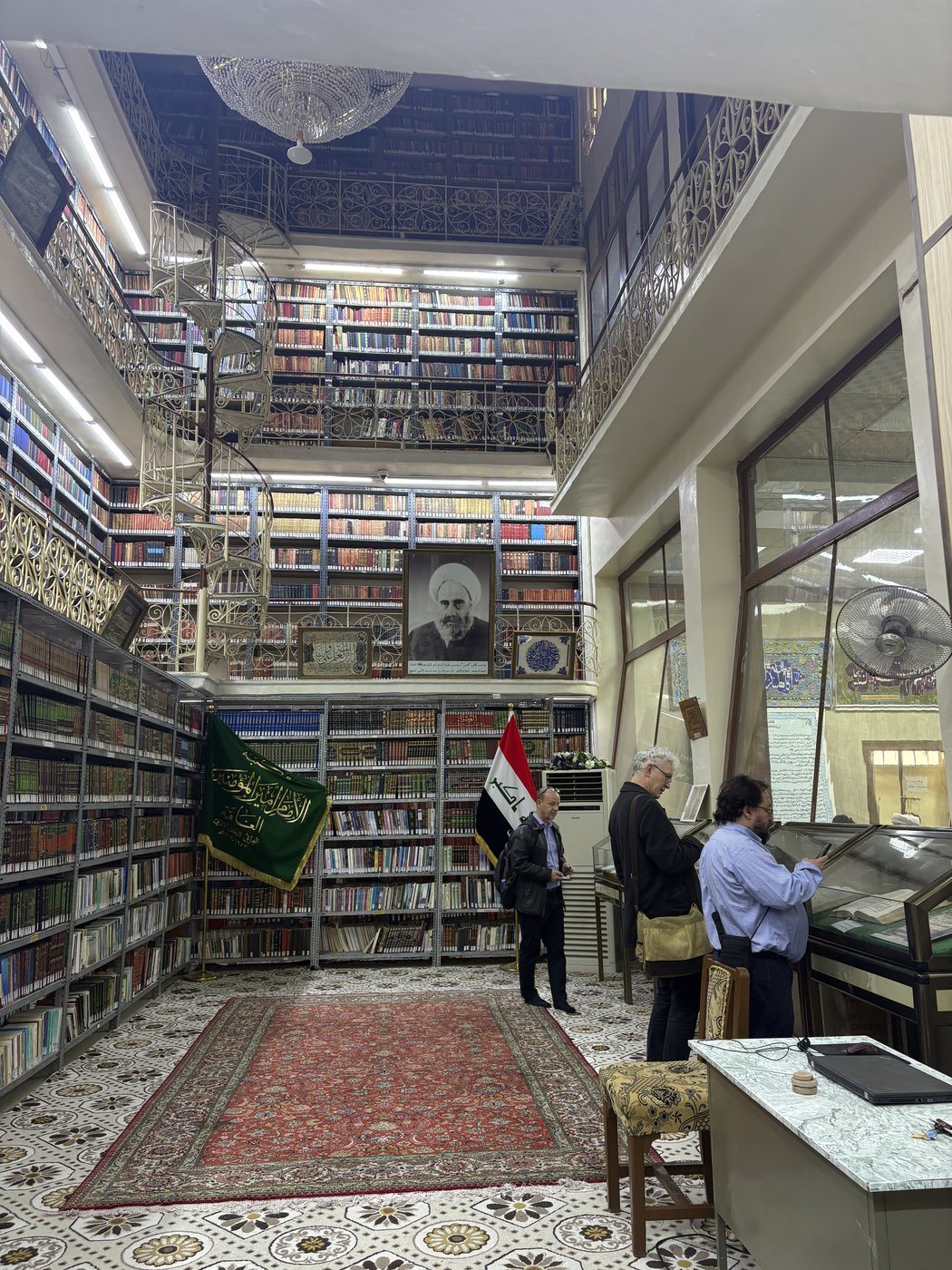
What became increasingly clear to me was that this tradition of learning and preservation is not peripheral to the religious life of the community. It stands near the centre of it. The care given to manuscripts, libraries, commentaries, and scholarly lineages is not simply antiquarian interest or academic specialization. It is an expression of devotion. To preserve a text is to honour the labour of those who transmitted it, the teachers who interpreted it, and the communities that ordered their lives around its wisdom. In this setting, scholarship is not separated from worship, memory, or communal identity. The library, the seminary, the shrine, and the family home are all connected within a larger religious ecology, where knowledge is treasured because it forms people, sustains communities, and binds the present generation to those who came before.
The Seminary
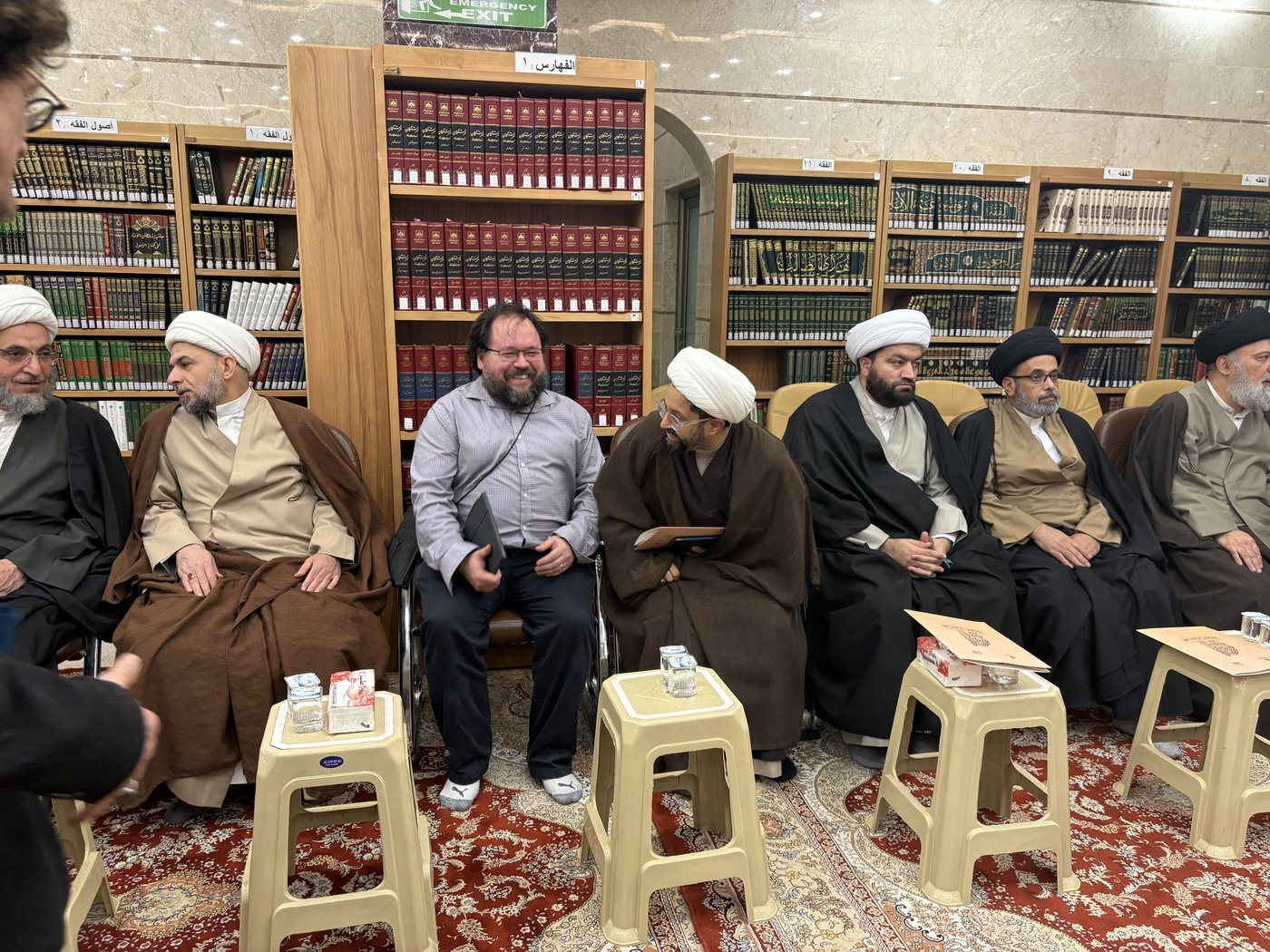
In many Western Christian contexts, seminary has increasingly come to resemble a degree program within a college or university. It is often understood as a period of formal study, bounded by admission requirements, course credits, program lengths, and professional outcomes. What I encountered in the hawzas of Iraq felt different. There, seminary life seemed to echo something closer to older monastic ideals: a whole life ordered around learning, worship, discipline, and formation. It is not simply a credential to be earned, but a vocation to be inhabited. Students may come and go, and not all remain for life, but while they are there, the commitment is all-encompassing. Study is not separated from prayer, community, moral formation, or service. The seminary is less a stage on the way to a career than a way of life, one that asks the whole person to be drawn into the pursuit of knowledge and devotion.
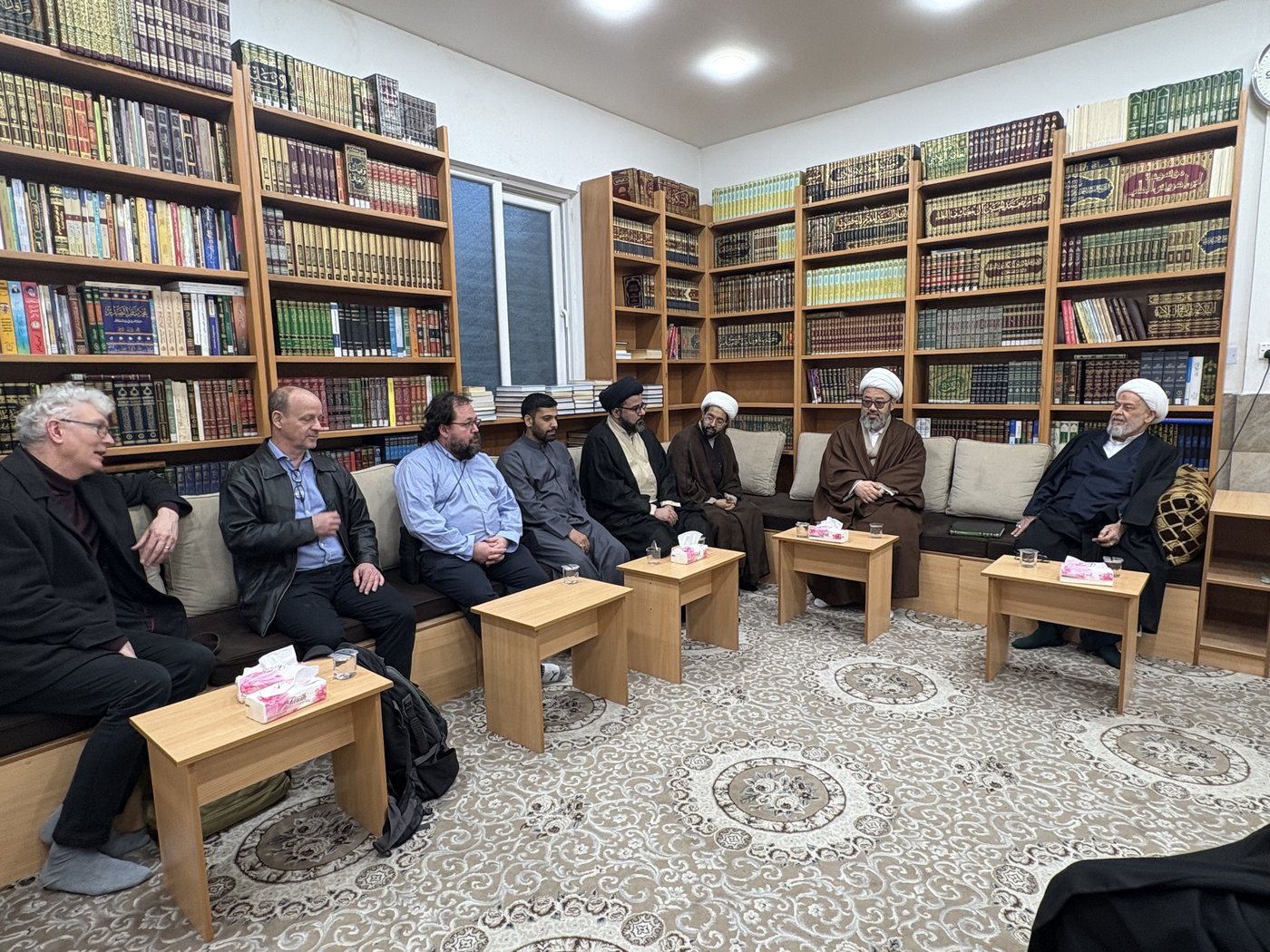
Although my time in the hawza was brief, one experience stayed with me. I remember entering a large open room where religious scholars were seated at different points throughout the space, with students gathered around them or moving between teachers. Students came to learn quite literally at the feet of their teachers, not in the formal arrangement of a modern classroom, but in a pattern of study shaped by presence, proximity, and personal transmission. It reminded me of what I imagine older forms of rabbinical learning may have felt like, or the medieval world in which students sought out masters such as Thomas Aquinas, attaching themselves to those from whom they wished to learn. There was something deeply personal about it. Knowledge was not simply delivered through curriculum. It was received through relationship, discipline, repetition, and the authority of a teacher whose life and learning drew students toward them.
The hawza is also not disconnected from the shrines. This was important for me to see, because it revealed how closely learning, history, and devotion are held together. The places of study are not simply academic spaces, and the shrines are not simply places of pilgrimage or piety. They belong to the same religious world. The shrines locate the community within a sacred history, while the hawza gives that history intellectual depth, interpretation, and continuity. Students and scholars study in the shadow of those whose lives and witness continue to shape the community’s imagination. In that setting, learning is not an abstract exercise detached from worship. It is carried out near places of memory, prayer, and visitation, where devotion gives study its atmosphere and study gives devotion a deeper historical and theological frame.
The Shrines
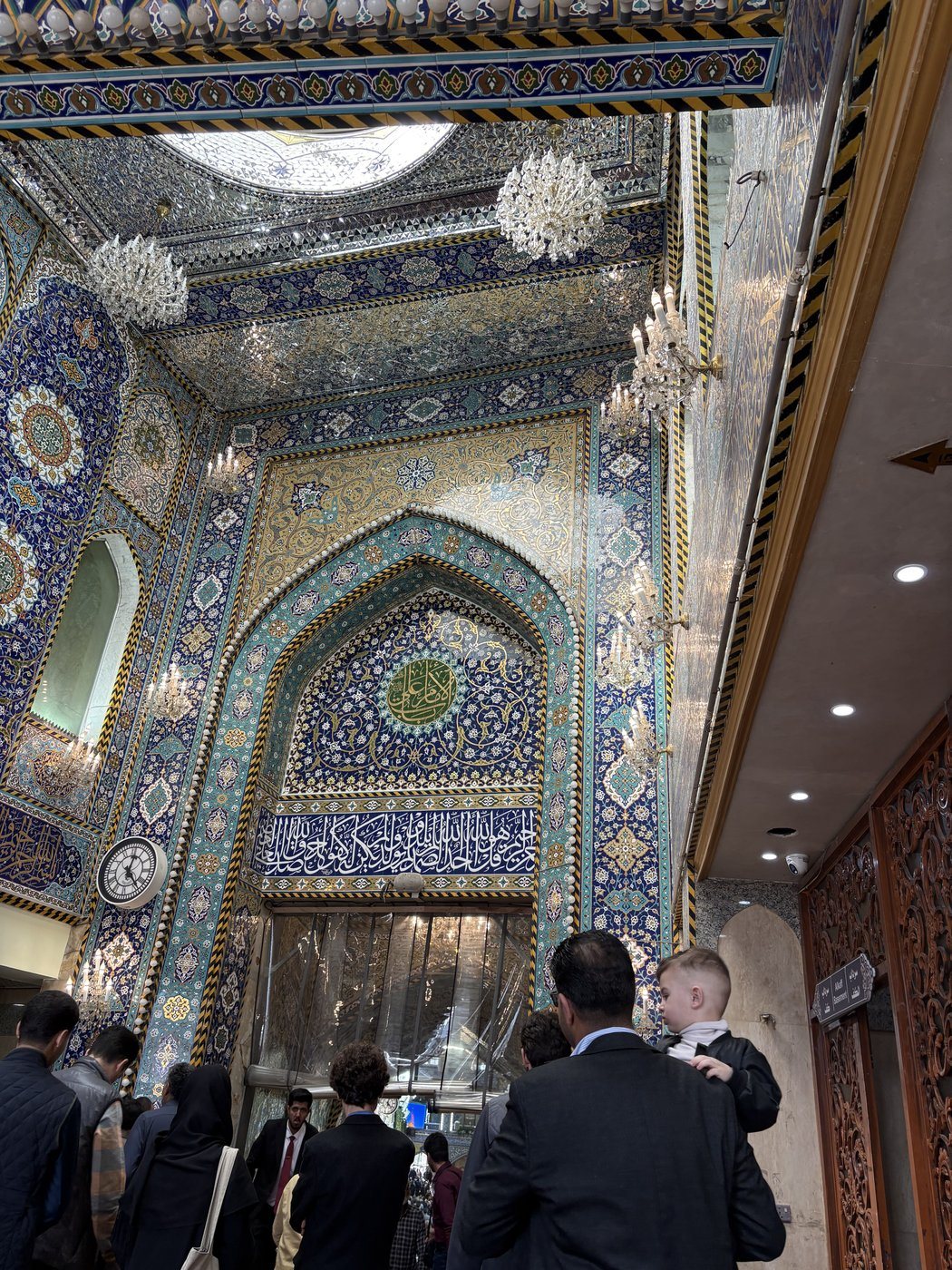
For many Western readers, the shrines may be the part of Shi‘i religious life that requires the most explanation. These are not simply memorial sites, nor are they only historical monuments. They are sacred places built around the burial places of the Imams and other revered figures whose lives, suffering, teaching, and witness remain central to Shi‘i identity. In Shi‘i Islam, the Imams are not distant figures of the past. They are understood as guides, exemplars, and bearers of religious authority whose nearness to God continues to shape the devotional life of the community. The shrines therefore function as places of prayer, pilgrimage, grief, memory, gratitude, and renewal. People come to them not merely to remember history, but to locate themselves within it. They visit, weep, pray, give thanks, seek intercession, and join themselves to a living tradition of devotion that stretches across generations.
The shrines also need to be understood in light of the fate of the Imams in Shi‘a memory. Hasan and Husayn, the grandsons of the Prophet, stand near the beginning of this pattern. Hasan is remembered as a figure who relinquished worldly power in order to preserve the community, and who was later poisoned. Husayn’s death at Karbala then becomes the central and defining instance of martyrdom, injustice, and faithful witness in the face of political violence. This pattern continues in the memory of the later Imams, many of whom are remembered as having lived under surveillance, displacement, imprisonment, or threat. In this sense, the shrines are not simply places where revered figures are buried. They are the physical locations where this history of suffering, fidelity, and spiritual authority is gathered and made present to the community. To visit the shrines is to enter a story in which holiness is not associated primarily with political realities, but with endurance, sacrifice, and loyalty to God under pressure. For Shi‘a communities, especially given their long experience of minoritization within the wider Muslim world, the shrines give visible and embodied form to memory. They are places of mourning and consolation, but also of identity, belonging, prayer, and hope. They allow the community to return again and again to the lives of the Imams, not as distant figures from the past, but as continuing points of orientation for religious life in the present.
One of the most interesting dimensions of the shrines was the intersection between formal religious tradition and popular devotion. In Western academic categories, we often distinguish between official theology, institutional religion, and what is sometimes called folk religion. Yet in the shrine context, these boundaries felt much less distinct. The devotion was deeply theological, but it was also physical, emotional, and communal. On a number of occasions, I witnessed a casket being carried into the shrine and brought near, or even made to touch, the resting place of one of these revered figures. It was a striking act to witness. The body of the deceased was being placed, however briefly, in proximity to holiness, memory, and intercession. For those gathered, the shrine was not simply a sacred monument or a place of historical remembrance. It was a living site of hope, where grief could be carried into the presence of the Imams and where the boundary between the living, the dead, and the holy felt especially close.
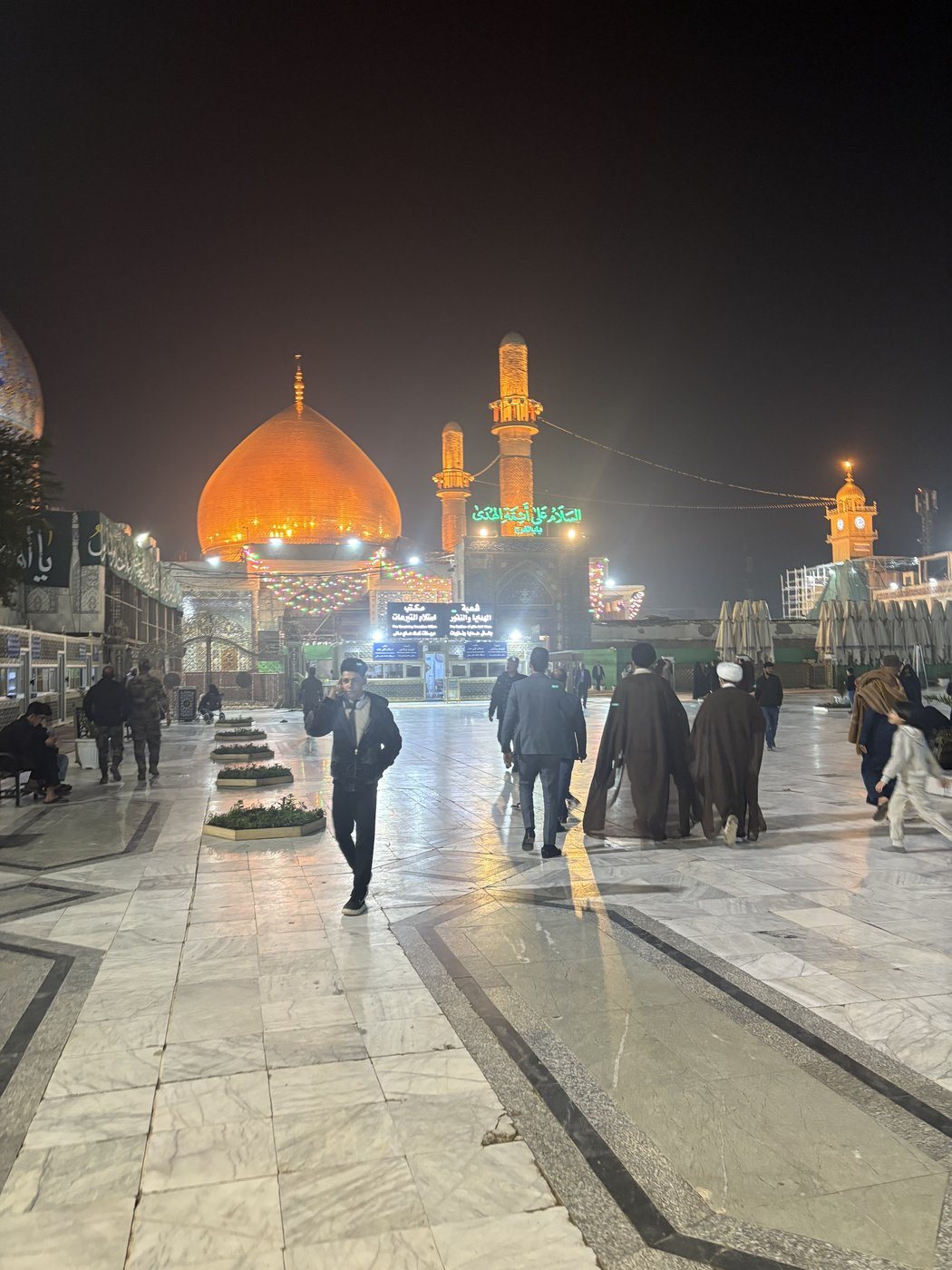
My understanding of the 12th Imam became more concrete for me in visiting the shrine associated with his birth and occultation in Samarra. For readers less familiar with Shi‘a belief, Twelver Shi‘a Muslims believe that Muhammad al-Mahdi, the 12th Imam, did not die in the ordinary sense, but was hidden by God from public view. This is known as the occultation. The Imam is therefore absent from ordinary human sight, but still living, preserved by God, and expected to return at the end of history to establish justice. At the shrine, this belief was not simply an abstract doctrine. It was given physical and devotional form. The site held together absence and presence: the Imam is hidden, yet devotion to him is visible, embodied, and alive. Standing there helped me understand how the occultation shapes Shi‘a religious life as a form of hopeful waiting. The community lives with the reality of injustice, suffering, and deferred vindication, but it does not understand history as abandoned. The hidden Imam remains a sign that divine justice has not been forgotten, and that what is concealed now will one day be revealed.
This sense of sacred history was also present in visiting the mosque at Kufa, the place associated with the martyrdom of Imam Ali. In Shi‘a memory, Ali is not only the cousin and son-in-law of the Prophet, but the first Imam, a figure of spiritual authority, justice, courage, and nearness to God. The mosque at Kufa carries particular theological weight because it is remembered as the place where Ali was struck while leading prayers, a wound from which he later died. His death is remembered not as the fall of a political leader alone, but as the suffering of a righteous and divinely guided figure whose authority was expressed through worship, wisdom, and fidelity rather than worldly domination. To stand in that space was to see again how sacred sites gather history, devotion, and moral imagination together. The memory of Ali’s martyrdom is not distant from the life of the community. It continues to shape how Shi‘a Muslims understand justice, leadership, holiness, and the cost of faithfulness in a world where righteousness is often opposed.
The Conference
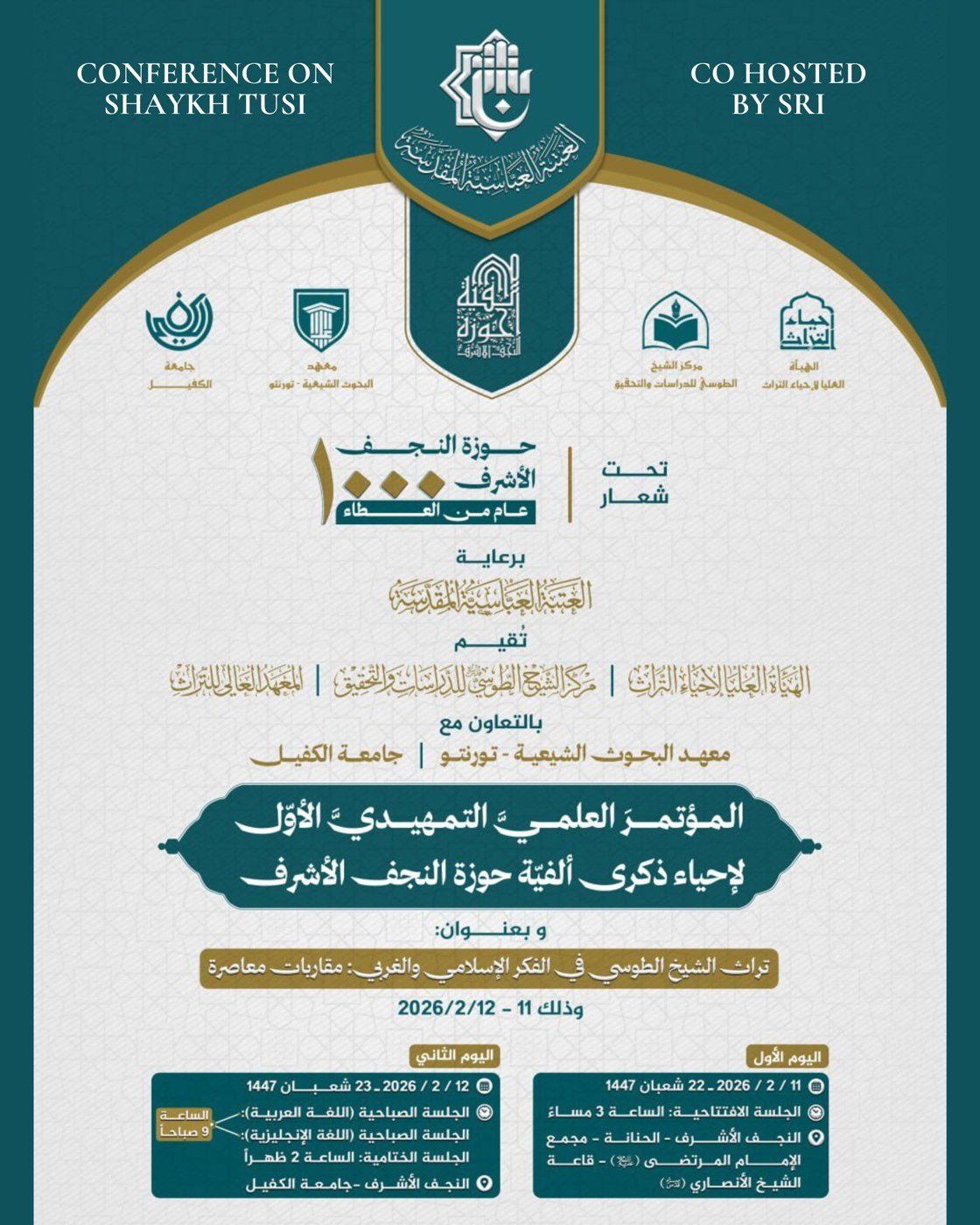
The conference organized by the Supreme Committee for the Revival of Islamic Heritage in partnership with the Shi‘a Research Institute celebrating al-Tusi added another important layer to the journey. Over two days, scholars from Iraq and around the world gathered to reflect on different aspects of his life, work, legacy, and continuing significance. For me, the conference was not simply an academic event inserted into a pilgrimage itinerary. It was part of the same larger encounter between text, place, memory, and living tradition. The figure of al-Tusi was being remembered not only as a historical scholar, but as someone whose intellectual labour continues to shape institutions, communities, and forms of religious learning a thousand years later. Al-Tusi is remembered as the founder of the Islamic Seminary of Najaf.
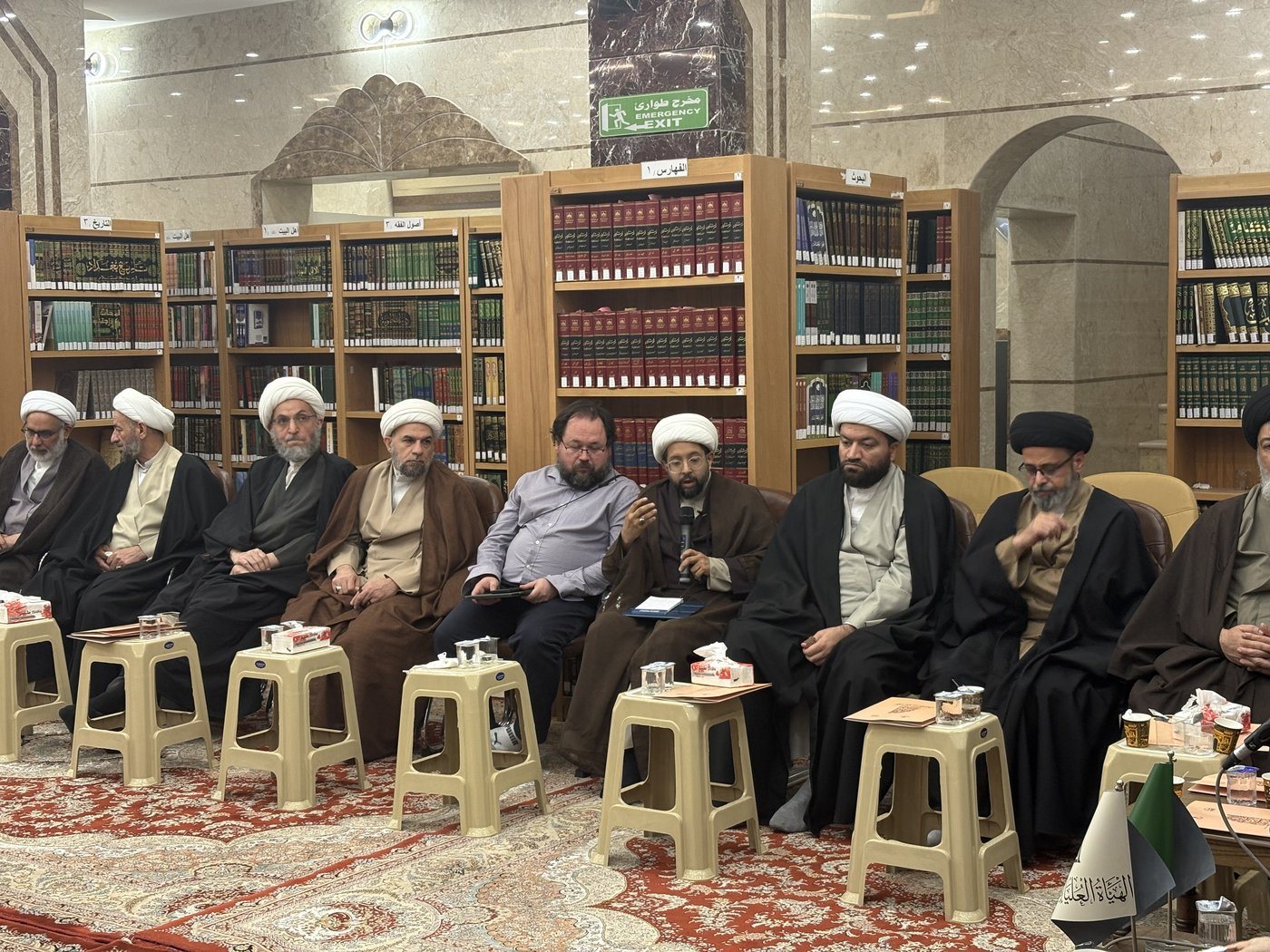
What made the conference especially significant was the opportunity for exchange between Western academics and Shi‘i scholars in a context where that kind of meeting takes on a different quality. In many Western academic settings, Shi‘i Islam is often studied through texts, historical reconstruction, political analysis, or diaspora communities. Those approaches are valuable, but they can remain somewhat removed from the institutions and devotional worlds that continue to sustain the tradition. In Iraq, the conversation unfolded much closer to the sources themselves: near the shrines, the hawza, the manuscript collections, and the communities for whom these histories remain living realities.
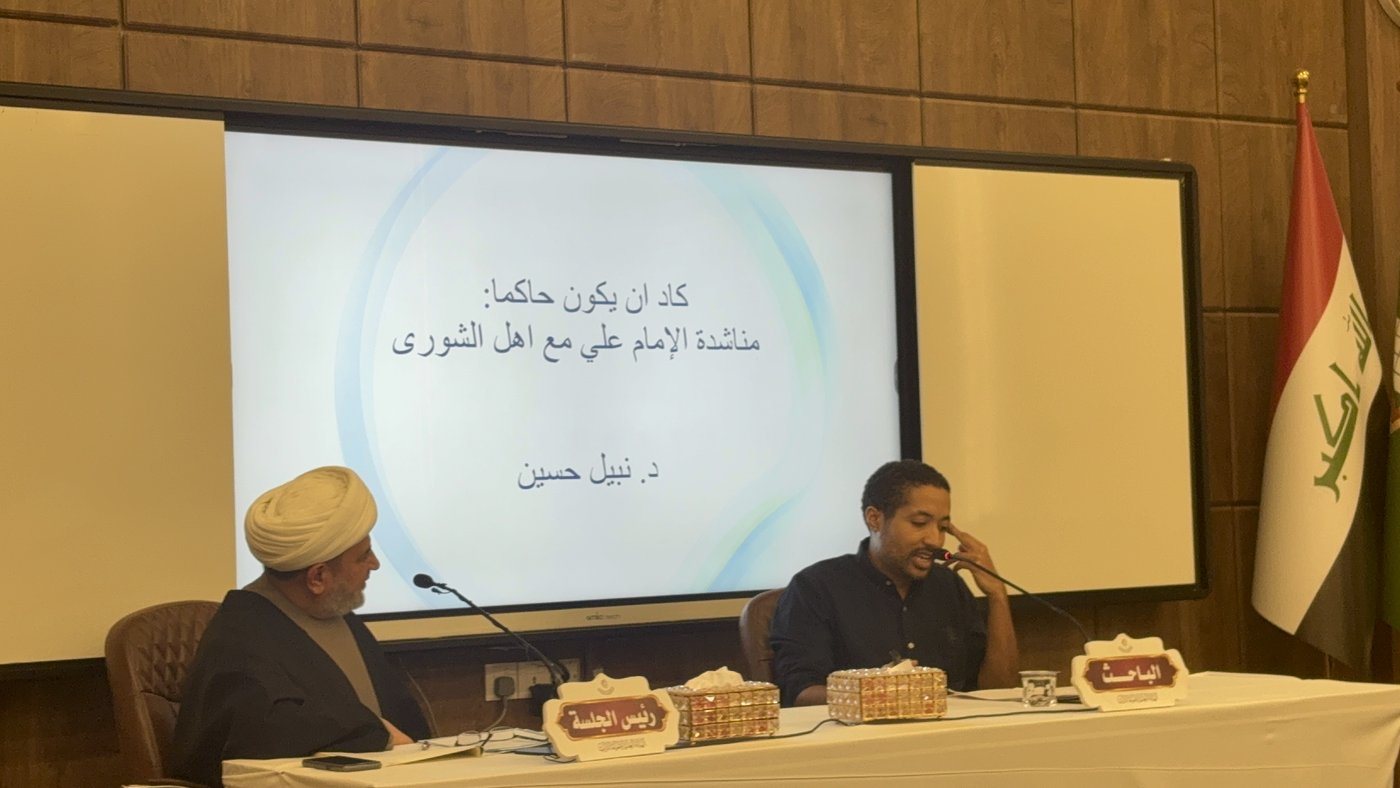
In this sense, the conference created a meaningful space of encounter. Alongside the physical texts we saw and the embodied histories carried by the shrines and seminaries, the meeting of different scholarly approaches opened another horizon of learning. Western academics brought questions shaped by historical, philological, theological, and comparative methods. Shi‘i scholars brought forms of learning shaped by inheritance, devotion, jurisprudence, philosophy, and the living authority of the tradition. The value was not that these perspectives were the same, but that they were brought into conversation. For someone like me, the conference was a reminder that scholarship is deepened when texts, places, communities, and interpretive traditions are allowed to speak to one another.
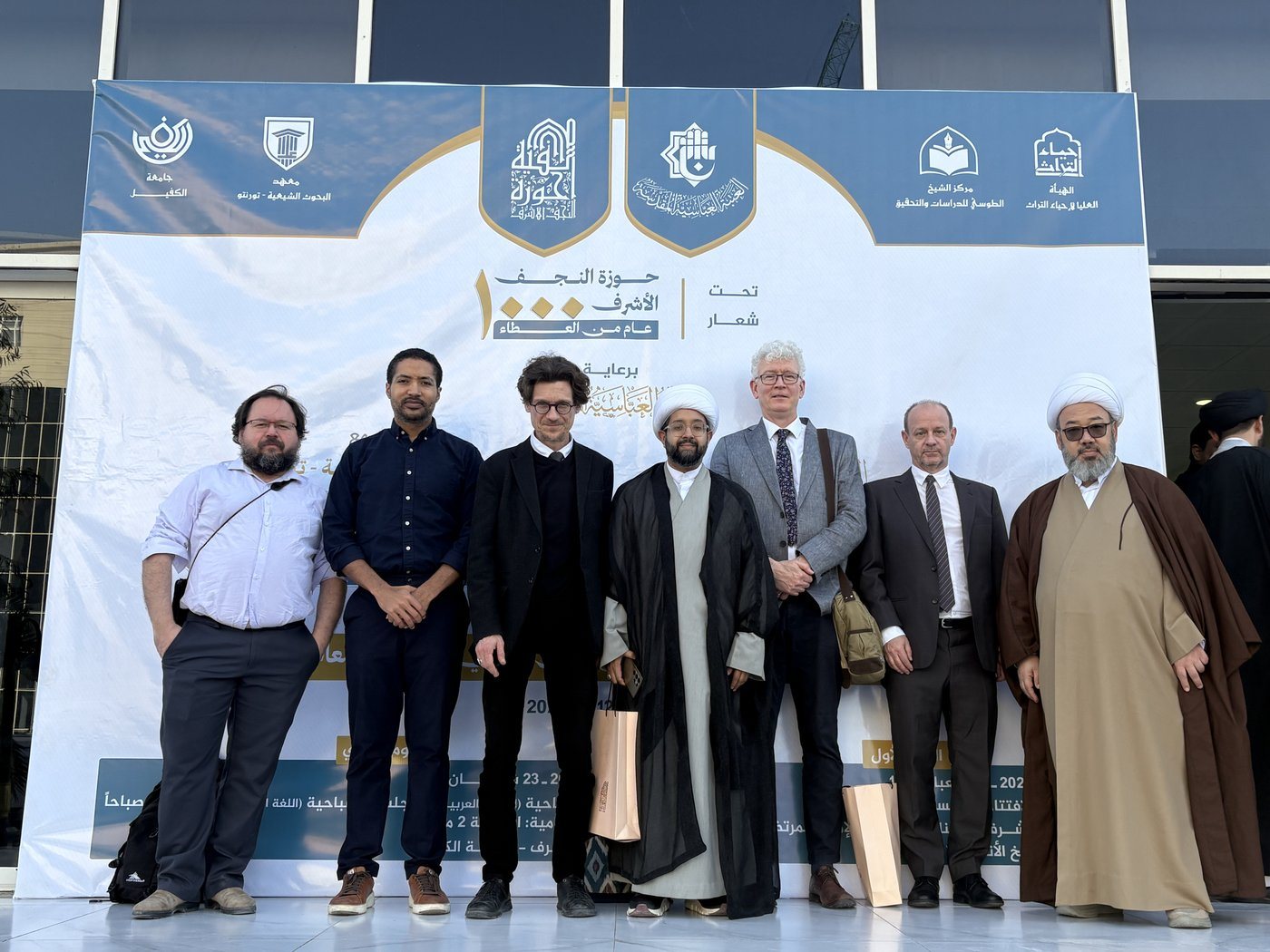
The gathering also emphasized the enduring legacy of al-Tusi himself. He was not presented simply as a figure of historical importance, but as a scholar whose influence continues to shape modern Shi‘i thought and practice. His work helped form patterns of jurisprudence, theology, interpretation, and institutional life that remain active within the tradition today. To hear scholars speak about him in Najaf, a thousand years after the founding of the seminary, was to recognize that intellectual legacy in this context is not merely remembered. It is inhabited. Al-Tusi’s significance endures because his thought continues to provide resources for learning, authority, devotion, and communal self-understanding in the present.
The Theology
As a trained theologian and a practicing Christian, I found myself naturally drawn to theological comparison. This was not because I wanted to collapse the differences between Christianity and Shi‘a Islam, or to make one tradition simply mirror the other. Rather, theology is one of the primary ways I make sense of religious life. When I encounter devotion, ritual, memory, suffering, sacred place, or the authority of holy figures, I instinctively begin asking what these practices reveal about God, the human condition, community, salvation, and hope. My time in Iraq therefore became not only an experience of travel and encounter, but also an invitation to think more carefully about points of resonance and difference between two traditions that have both been deeply shaped by suffering, memory, sacrifice, and devotion.
In many Western academic settings, theology can become a formal intellectual discipline, studied through texts, concepts, histories, and arguments, while devotion is treated as a separate sphere of practice, emotion, or ritual life. My experience in Iraq made that separation feel inadequate. In the Shi‘a contexts I encountered, theology was not only expressed in books, scholarly lineages, and careful interpretation, though it was certainly present there. It was also embodied in pilgrimage, mourning, prayer, shrine visitation, reverence for the Imams, and the preservation of sacred memory. Devotion was not a lesser or less thoughtful form of religion. It was one of the ways theology became visible and lived. Many Western seminaries and theological colleges are, of course, trying to recover this same kind of integration, resisting the idea that theological education is merely academic preparation. At their best, Christian seminaries seek to hold together doctrine, worship, scripture, prayer, spiritual formation, and service. In this sense, what I saw in Iraq did not feel entirely foreign. It reminded me of a shared religious conviction that theology is not merely something one thinks. It is also something one practices, inhabits, remembers, and loves.
One area of theological comparison that became clearer to me in Iraq was the role of suffering in religious memory and redemption. In Christian thought, suffering is most centrally interpreted through the cross of Christ. The suffering of Jesus is not merely an example of courage or faithfulness, but is bound to the redemption of the world, the defeat of sin and death, and the hope of resurrection. In Shi‘a thought, the suffering of the Imams, especially Hasan and Husayn, functions differently, but with a comparable depth of religious significance. Their suffering is not understood in the same way as the atoning death of Christ, yet it becomes a central lens through which truth, injustice, fidelity, sacrifice, and hope are understood. Karbala, in particular, gives the community a grammar for interpreting faithful witness under oppression. In both traditions, suffering is not treated as meaningless, nor is it simply glorified for its own sake. Rather, it becomes a place where the character of holiness is revealed. For Christians, this is seen most fully in the crucified and risen Christ. For Shi‘a Muslims, it is seen in the witness of the Imams, whose lives and deaths continue to form the moral and devotional imagination of the community.
At a broader level, both Christianity and Shi‘a Islam offer ways of thinking about the problem of suffering, evil, and divine justice. Theodicy asks how faith can continue to speak of God’s goodness in a world marked by violence, grief, betrayal, and loss. What struck me is that neither tradition answers this question only through abstract explanation. Both return to sacred memory, lament, and hope. Christians return to the cross, where the suffering of Christ reveals both the depth of human sin and the self-giving love of God. Shi‘a Muslims return to Karbala, where the suffering of Husayn and his companions exposes the reality of injustice and becomes a lasting call to fidelity, courage, and moral clarity. In both cases, suffering is not explained away, nor is evil made acceptable. Rather, suffering becomes a place where injustice is named, faithfulness is remembered, and hope is sustained in the conviction that God’s justice is deeper than the visible triumphs of power.
Conclusion
At a more general level, my time in Iraq reminded me that theology is not only the study of religious ideas, but a shared human pursuit of truth, meaning, holiness, and faithfulness before God. Shi‘a Muslims and Christians do not approach these questions from the same historical memories or theological convictions. There are significant differences in how each tradition understands revelation, authority, salvation, suffering, sacred history, and the identity of its central figures. Yet these differences need not prevent serious encounter. In fact, they can make such encounter more meaningful when approached with honesty and humility. Both communities ask how human beings should live before God, how memory should form moral life, how suffering can be endured without despair, and how hope can be sustained in the face of injustice. In that sense, Shi‘as and Christians have much to learn from one another, not by dissolving their differences, but by allowing those differences to sharpen understanding, deepen friendship, and open new possibilities for faithful reflection.
I remain deeply grateful to the Shi‘a communities in Canada and Iraq who made this journey possible. Their welcome, generosity, and trust allowed me to encounter places, people, and traditions that I could never have understood in the same way from a distance. In Canada, this relationship has already opened new possibilities for learning about the life, history, and contributions of Shi‘a communities within our shared national context. In Iraq, it allowed me to see more clearly the depth of a tradition rooted in devotion, scholarship, memory, and hospitality. My hope is that this trip will not stand as a single isolated experience, but as the beginning of a fruitful and lasting relationship, marked by mutual learning, friendship, scholarly collaboration, and a shared commitment to understanding one another more deeply.
About the author
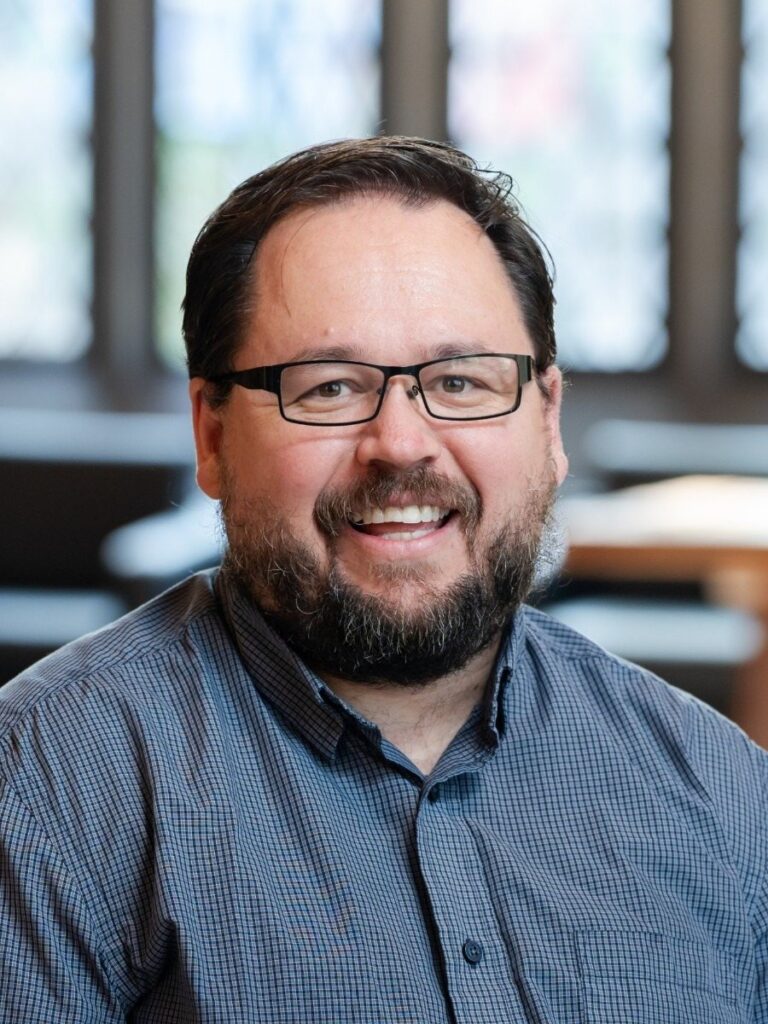
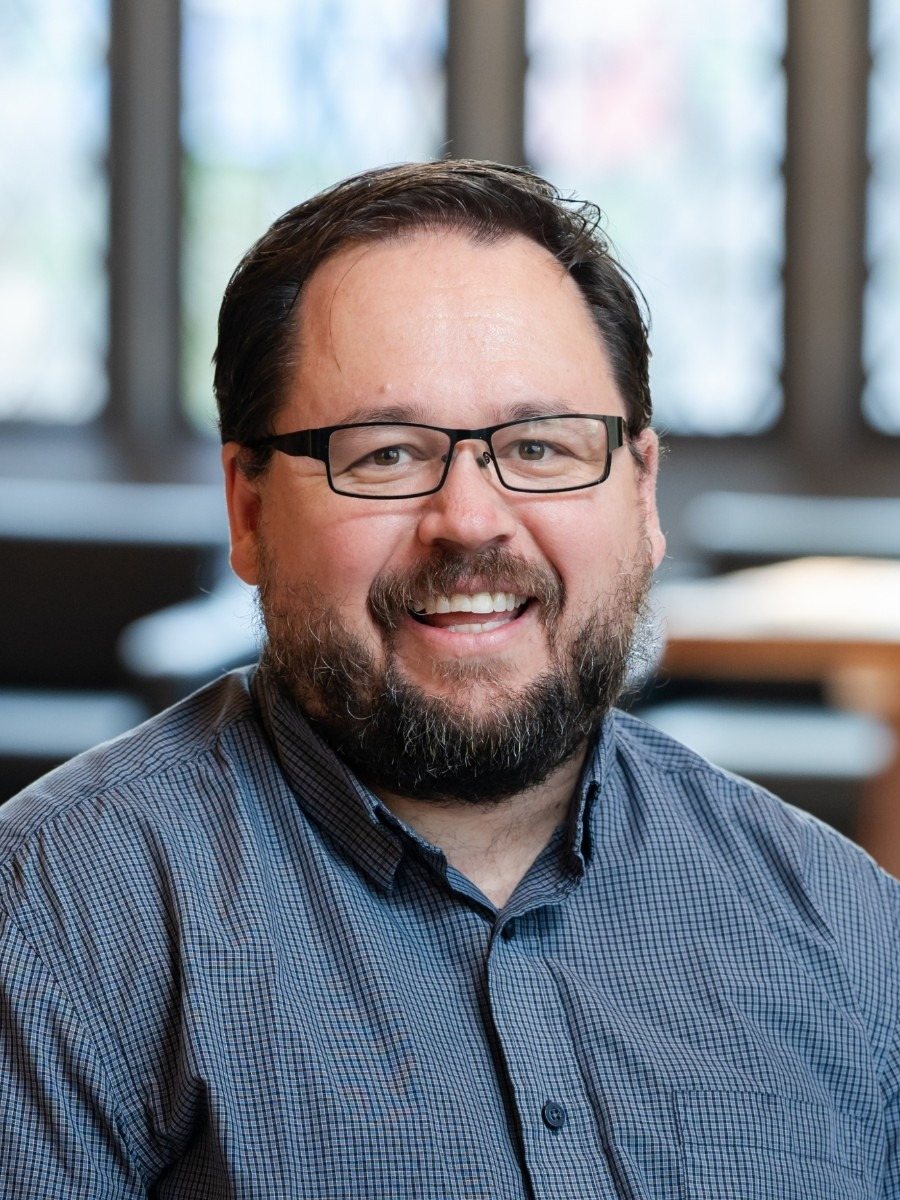
Stephen Hewko, PhD
Stephen Hewko, PhD, is Director of the Canadian Institute for Empirical Church Research at Wycliffe College, University of Toronto. He travelled to Iraq as a guest and observer with the Shi‘a Research Institute delegation to the conference marking the 1,000th anniversary of the Najaf hawza.
He works at the intersection of theology, social science, data science, and institutional practice, helping organizations understand the changing religious landscape in Canada. With backgrounds in the natural sciences and theology, he is particularly interested in how quantitative methods, including machine learning and geospatial analysis, can illuminate the contours and dynamics of religious communities across regions, traditions, and social settings.
Steve studies religion in Canada with particular attention to congregations, diaspora movements, and migration. His research and institute work support data-informed decision making for denominations, local communities, and partner organizations that are responding to social and demographic change. This includes the use of large administrative and survey datasets, spatial mapping of religious presence and participation, and exploratory statistical and machine learning models to identify patterns over time.
He holds a B.Sc. from the University of Alberta, a Master of Theological Studies from Wycliffe College at the University of Toronto, and a PhD in Theology from the University of St. Michael’s College.